Which area should you choose for your stay in Nikko?
Nikko is not limited to a single town centre. The historic sites, stations and mountain areas are separated from one another. The best hotel therefore depends less on its rating than on your itinerary. A place suited to a quick trip will not necessarily be suitable for a stay focused on Lake Chuzenji or the hot springs.
| Area | Best if you are looking for | Point to note |
|---|
| Nikko and Tobu-Nikko JR stations | An easy arrival, shops and a quick departure to the sights | More functional than atmospheric |
| Temples and shrines | Close to the historic sites and a more peaceful setting | Check the actual distance from the station and bus stops |
| Lake Chuzenji | Scenery, Kegon Falls and a high-altitude break | Getting around requires more planning |
| Yumoto | A stay focused on onsen and the mountains | This area is better suited to a stay devoted to nature |
| Kinugawa Onsen | A ryokan and a hot-spring experience outside the centre | Not the most direct choice for visiting the temples |
Near the stations: the practical choice
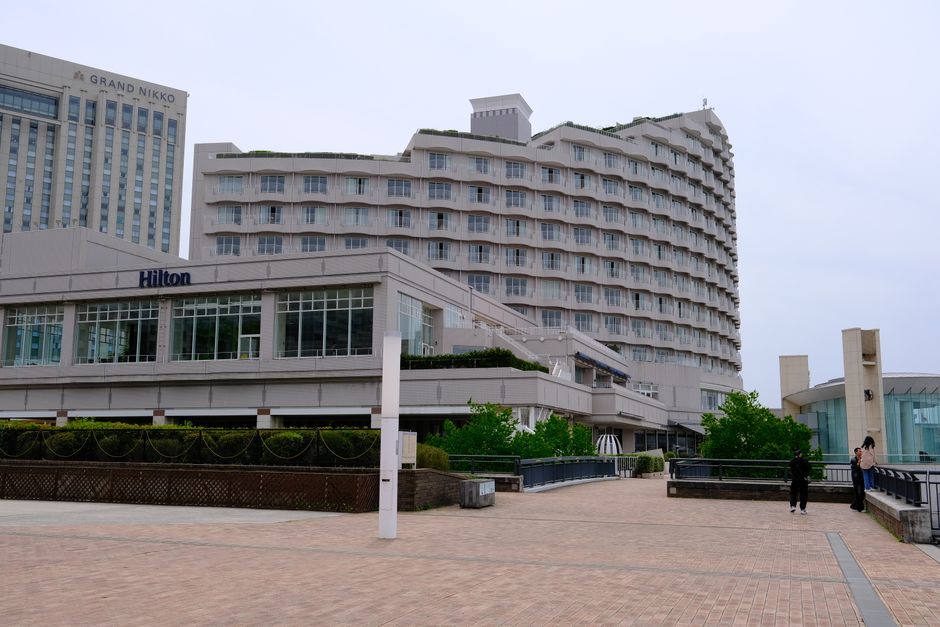
The station area suits travellers arriving with luggage, visiting Nikko for a short time or wanting an easy departure towards Tokyo. It allows you to compare several types of accommodation and reach public transport without crossing the city with a suitcase. Check the property’s exact location: “Nikko” can refer to an address away from the station district.
If you are extending your trip after Tokyo, also compare areas according to your connections with our guide to where to stay in Shinjuku, Tokyo. This approach avoids choosing a hotel based solely on its name or advertised price.
Near the temples: for a focus on heritage
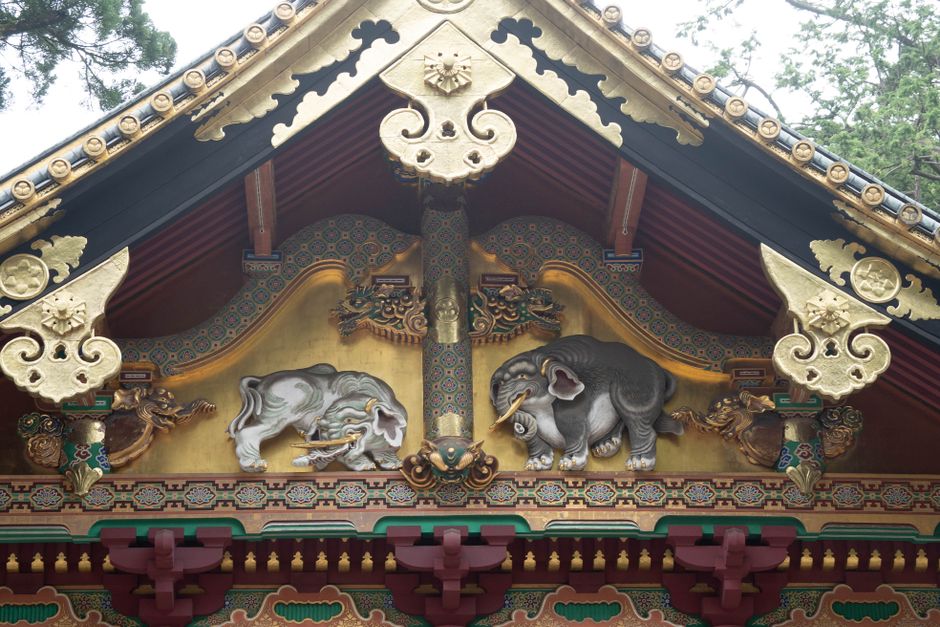
This area suits visitors who want to start exploring Toshogu and the other historic buildings early. It offers a more peaceful atmosphere once day-trippers have left. Before booking, check the dining options in the evening and how to reach your accommodation from the station.
Chuzenji, Yumoto and Kinugawa: for scenery and onsen
The mountain areas are better suited to a night devoted to relaxation than to a simple stopover. Accommodation near Lake Chuzenji focuses on scenery and nature excursions. Yumoto is more suited to travellers attracted by hot-spring baths. Kinugawa Onsen may be suitable if the ryokan and onsen are the main purpose of your stay.
Hotel, ryokan or guesthouse: which should you choose?
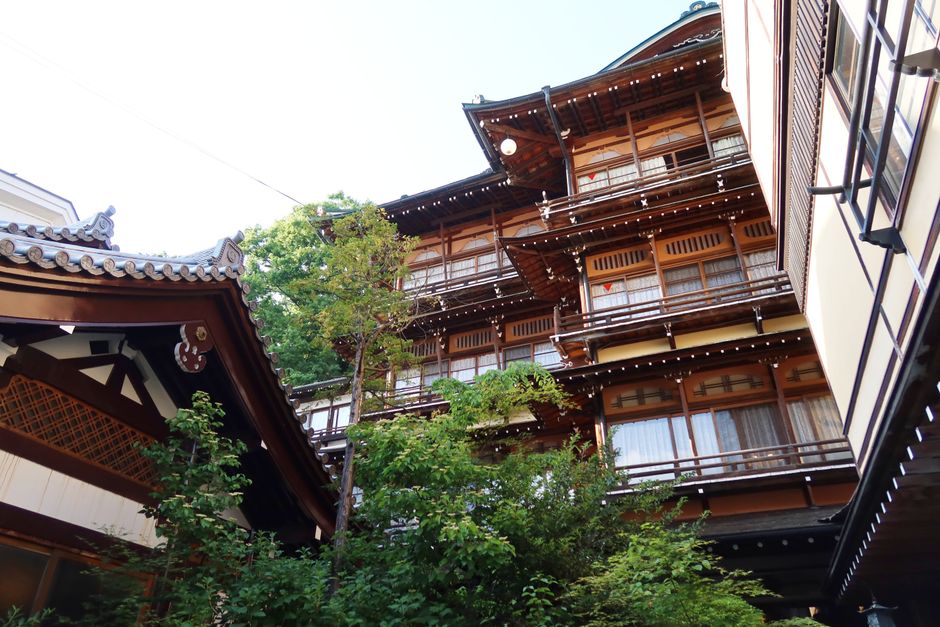
The type of accommodation has a major impact on your experience. A hotel near the station makes your journey simpler and suits travellers spending little time there. A ryokan offers a more traditional atmosphere, with communal areas and sometimes hot-spring baths. A guesthouse or small independent property can be useful for keeping costs down, but services and opening hours may be more limited.
- Station hotel: choose this option if easy access, luggage storage and flexibility are your priorities.
- Ryokan: choose one for a Japanese experience and a more intimate setting.
- Accommodation with an onsen: check whether the bath is private or shared and whether access is restricted to guests.
- Lakeside hotel: choose one for the scenery, while accepting longer journeys to the stations.
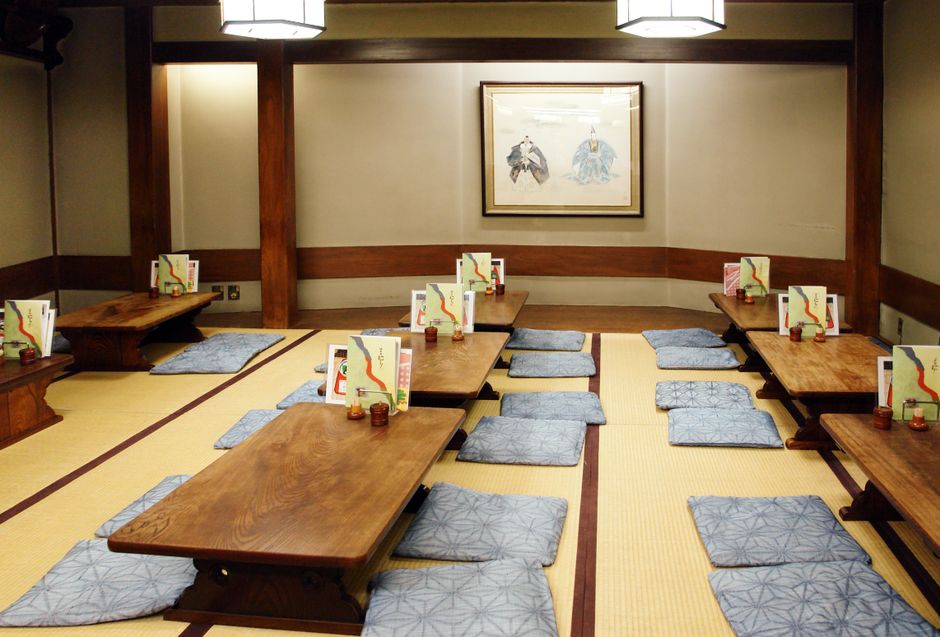
- Guesthouse or inn: carefully compare the facilities, bathroom and check-in arrangements.
How should you choose your hotel in Nikko for your trip?
For a day trip with one night
Stay near a well-served station or bus stop. You will save time on arrival and departure, especially if you are carrying luggage. A simple room and an early breakfast may be more useful than a distant property with more services.
For a temple-focused stay
Choose the historic centre or accommodation located between the stations and the shrines. Check the map before confirming, as an address advertised as being close to a site may still be far from public transport. If you would like to dine locally, check restaurant opening hours and whether you can book a meal at the hotel.
For a nature break
A property around Lake Chuzenji, Yumoto or Kinugawa makes more sense than a station hotel. Check seasonal information, road access and fallback options in case of bad weather. To compare it with another Japanese destination focused on scenery, also see our selection of the best hotels in Takayama.
For a trip on a controlled budget
Compare the total cost rather than the room price alone. Breakfast, dinner, baths, any applicable tax, transport and distance can change the actual budget. Prices vary according to the season and availability: check the conditions when booking, especially for non-refundable offers.
What to check before booking
- The exact location: identify the nearest station, bus stop or tourist site.
- Access with luggage: check whether there is a lift, luggage storage or a luggage drop-off service.
- Meals: check whether breakfast or dinner is included, especially at a remote ryokan.
- Baths: distinguish between a standard bathroom, a communal onsen and a private bath.
- Opening hours: check the latest arrival time and the arrangements in case of delay.
- Recent reviews: read comments about soundproofing, cleanliness, staff and actual access.
- Cancellation policy: compare the conditions before choosing a cheaper offer.
For a booking, use a comparison platform and then check the information on the property’s official listing. Availability, services and conditions may change. If your itinerary continues to another city, our guide to where to stay in Kanazawa can help you follow the same approach: location, transport and type of experience.
When should you book a hotel in Nikko?
During busy periods, particularly when the autumn colours attract visitors, there is less choice of well-located accommodation. Book as soon as your itinerary is confirmed if you want a particular ryokan, a room with a view or a meal on site. Outside busy periods, it is easier to compare areas and facilities.
Before finalising your booking, also check the forecast, transport on the day of arrival and the distance between your accommodation and the places you actually want to visit. The best hotel in Nikko is the one that suits your pace, not necessarily the one offering the most services.
Frequently asked questions
Where should you stay in Nikko to visit the temples?
The temple district, or a place located between the shrines and the stations, is the most suitable. You will be able to start sightseeing more easily and enjoy a peaceful atmosphere at the end of the day. However, check the walking distance, bus stops and nearby dining options.
Which hotel should you choose in Nikko near the station?
A hotel around JR Nikko or Tobu-Nikko is suitable for short stays and travellers who value convenience. Compare the actual distance from the platform, luggage storage, breakfast times and arrival arrangements. A nearby place may be preferable to a more distant property with more facilities.
Should you stay in Nikko or make a return trip from Tokyo?
Staying in Nikko allows you to visit the sights at a more relaxed pace and discover the town’s atmosphere after the day-trippers have left. One night is particularly worthwhile if you want to add Lake Chuzenji, Yumoto or an onsen to your itinerary. A return trip may be suitable if your plans remain focused around the temples.
Where can you find a ryokan with an onsen in Nikko?
Primarily look around Yumoto, Lake Chuzenji or Kinugawa Onsen. Read the description carefully: some properties have only a communal bath, while others offer a private bath. Also check transport access and whether meals may be compulsory as part of the booking.
Are Nikko’s hotels suitable for an excursion from Tokyo?
Yes, accommodation near the stations is convenient for an overnight trip from Tokyo. It minimises changes and makes it easier to set off the following day. If you choose a hotel in the mountains, allow more time to reach the sights and check transport timetables before confirming.