Where to stay in Nara
Each area of Nara has its own advantages, depending on your priorities: proximity to the park, transport links or a traditional atmosphere.
Around Kintetsu Nara Station
Kintetsu Station is a ten-minute walk from the entrance to Nara Park. This area offers shops, restaurants and quick access to the main sights. There are plenty of hotels, from business hotels to boutique hotels. Ideal if you are arriving from Kyoto or Osaka on the Kintetsu Line, which is more direct than the JR.
Around JR Nara Station
JR Nara Station is slightly further west. The area offers modern hotels and international chains, with good value for money. Allow twenty minutes to walk to the park, or take a local bus. Convenient if you use the JR Pass or are coming from Kyoto on the JR Nara Line.
Naramachi
Naramachi, the historic district south of the park, preserves traditional wooden houses, craft shops and cafés. You will find charming ryokans and guesthouses here. The atmosphere is peaceful in the evening, away from the tourist bustle. Perfect for immersing yourself in old Nara, close to the smaller temples.
Overlooking Nara Park
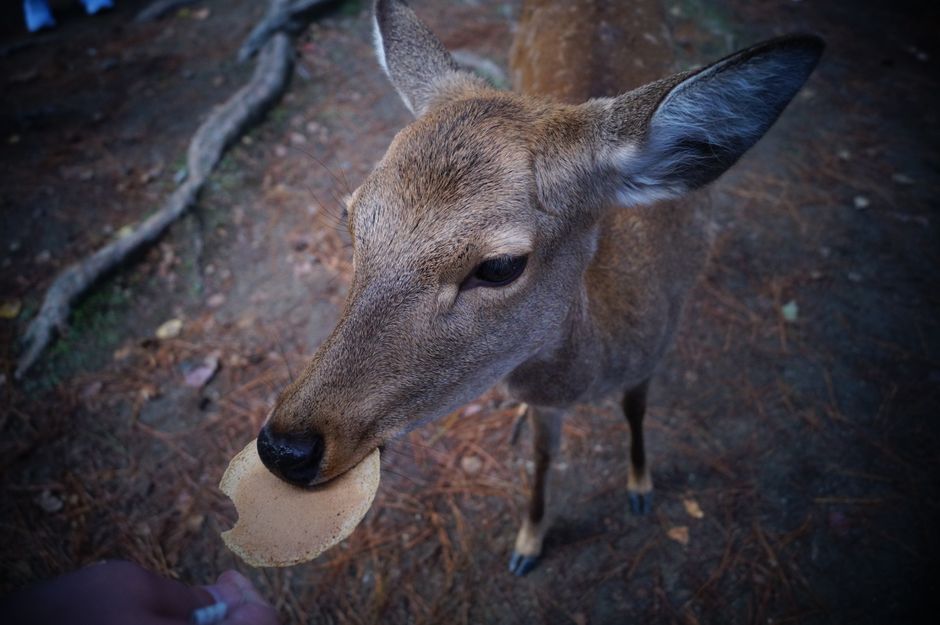
A few high-end establishments sit directly alongside the park. You can enjoy views of the deer and green spaces, with immediate access to the shrines. These properties command high prices but offer a unique experience, particularly at sunrise.
Types of accommodation in Nara
Nara offers a wide range of accommodation, from traditional ryokans and business hotels to hostels.
Modern hotels and chains
Hotel chains (Toyoko Inn, Dormy Inn, Hotel Nikko) are concentrated near the stations. Compact rooms, buffet breakfast and Wi-Fi included. Predictable prices and easy online booking. Suitable for travellers in transit or those who prefer standardised comfort.
Ryokans and traditional inns
Nara's ryokans offer tatami, futons, shared or private baths, and sometimes kaiseki meals. Some historic establishments have existed since the Meiji era. Service is provided in Japanese, but staff often speak English. Book in advance, especially during the high season. A night in a ryokan completes Nara's cultural experience, comparable to a stay in Takayama or Kanazawa.
Guesthouses and hostels
Several guesthouses and hostels offer dormitories or private rooms at low prices. Shared spaces encourage interaction, with a communal kitchen and friendly atmosphere. Ideal for tight budgets or solo travellers. Some properties occupy renovated machiya in Naramachi.
Hotels with onsen
A few establishments have natural hot springs. You can enjoy a relaxing bath after a day of walking around the park. Nara's onsens are more modest than those in renowned hot-spring resorts, but they are still a welcome extra.
Accommodation budget in Nara
Prices vary depending on the season, the type of establishment and proximity to the park. Here is an overview of the observed price ranges.
| Category | Type of accommodation | Location |
|---|
| Budget | Guesthouse, dormitory | Naramachi, outskirts of the stations |
| Mid-range | Business hotel, simple ryokan | JR/Kintetsu stations |
| Upper-mid-range | Historic hotel, comfortable ryokan | Centre, overlooking the park |
| Luxury | Boutique hotel, high-end ryokan | Nara Park, Naramachi |
Prices rise during the cherry blossom season, autumn momiji and long weekends. Book several weeks in advance for these periods. In winter and summer (outside Japanese school holidays), prices fall and availability improves.
Should you stay in Nara or visit on a day trip?
Nara is easy to visit from Kyoto or Osaka in a day. However, staying overnight has several advantages.
Advantages of staying in Nara
You can discover the park early in the morning, before the tour groups arrive. The deer are calmer and the light is ideal for photos. You have time to explore Naramachi, visit Horyu-ji (away from the centre) or climb Mount Wakakusa. Nara's peaceful, authentic nightlife contrasts with the bustle of Kyoto. Finally, you avoid daily journeys back and forth and enjoy greater peace of mind.
When to choose a day trip
If your itinerary is tight or your budget limited, a day trip from Kyoto is enough to see Todai-ji, Kasuga-taisha and the deer park. Kintetsu trains connect Kyoto to Nara in thirty-five minutes. You can return in the evening to your hotel in Kyoto Gion or Kyoto Station, where the accommodation options are wider.
Practical booking tips
Here are a few recommendations to help you make the most of your booking in Nara.
Plan ahead for busy periods
Late March and early April (cherry blossoms), mid-November (momiji), Golden Week (late April to early May) and Obon (mid-August) see prices double and availability dwindle. Book as soon as your dates are confirmed. In the low season, you can wait until a few days before arrival.
Compare platforms
International booking sites sometimes display different prices from Japanese sites (Jalan, Rakuten Travel). Check several sources, particularly for ryokans. Some establishments offer direct deals on their official websites.
Check the cancellation terms
Ryokans often apply strict cancellation fees (several days in advance). Chain hotels offer more flexibility. Read the terms carefully before confirming.
Choose accommodation close to your arrival station
If you arrive by JR (JR Pass), stay near JR Nara Station. If you take the Kintetsu, choose the Kintetsu Nara area. You will save time and avoid lugging your luggage around.
Alternatives and extensions
Nara combines easily with other destinations in the Kansai and Kanto regions.
Combining Nara with Kyoto and Osaka
A classic itinerary takes in Kyoto (temples, geishas), Nara (deer, Todai-ji) and Osaka (food, nightlife). Allow two to three nights in Kyoto, one in Nara and one in Osaka. Train journeys remain short, making travel easy.
Extending your trip to Mount Yoshino or Asuka
Mount Yoshino, south of Nara, offers thousands of cherry trees in April. The village of Asuka, the birthplace of Japanese civilisation, is home to burial mounds and ancient ruins. These sites can be visited on a day trip from Nara.
Visiting other historic cities
From Nara, you can branch out to Kamakura (another temple city near Tokyo) or explore rural Kansai. Contemporary art enthusiasts will enjoy Naoshima, accessible via Okayama.
Frequently asked questions
How many nights should you spend in Nara?
One night is enough to visit the main sights (Todai-ji, the deer park and Kasuga-taisha) without rushing. Two nights allow you to explore Naramachi and Horyu-ji, and enjoy the park’s morning atmosphere. A day trip from Kyoto is still possible if your schedule is tight.
Which area should you choose for your first stay in Nara?
Choose somewhere near Kintetsu Nara Station: you’ll be ten minutes from the park, surrounded by restaurants and shops, with direct train connections to Kyoto and Osaka. This area offers the best balance between convenience and proximity to the tourist sites.
Do Nara’s ryokans accept children?
Most ryokans welcome families, but some high-end establishments have a minimum age requirement (often twelve). Check the conditions when booking. Modern hotels and guesthouses are generally more flexible with young children.
Can you see the deer from your hotel?
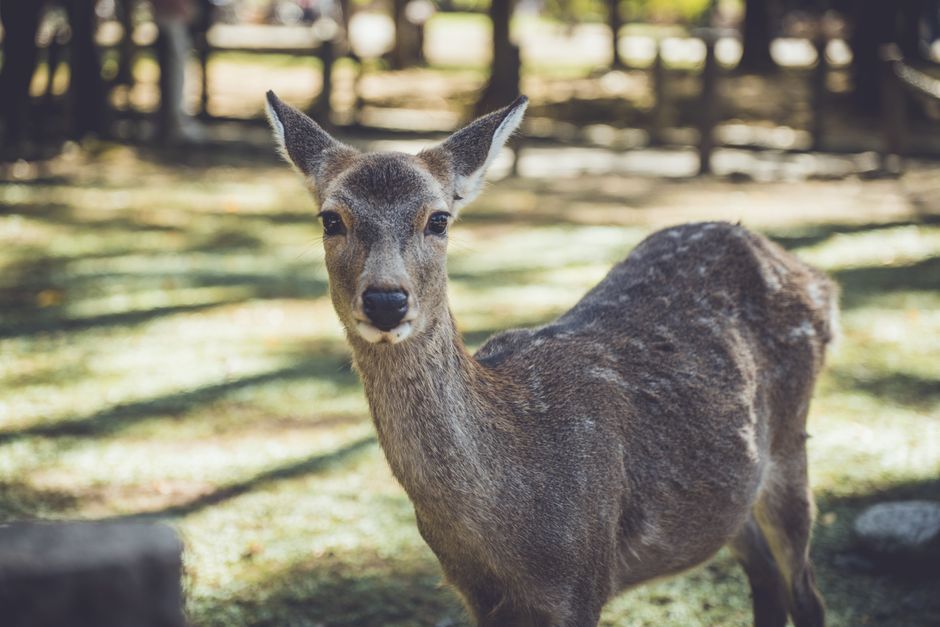
Only a few establishments located directly opposite Nara Park offer views of the deer. These places (boutique hotels and premium ryokans) charge high prices. Most accommodation is within a few minutes’ walk of the park, which is still very convenient.
Do you need to book well in advance in Nara?
During the cherry blossom season (late March to early April), momiji (mid-November) and Japanese holidays (Golden Week and Obon), book at least one month in advance. In the low season (winter and summer outside the holidays), one to two weeks is enough. Well-known ryokans fill up faster than chain hotels.
What budget should you allow for a night in Nara?
Allow between thirty and fifty-five euros per person for a guesthouse or dormitory, sixty to one hundred and fifteen euros for a standard hotel, one hundred and twenty-five to two hundred euros for an upmarket establishment, and over two hundred and fifty euros for a high-end ryokan. Prices vary depending on the season and proximity to the park.