Why visit Yokohama: a cosmopolitan city just outside Tokyo
Yokohama stands out from other Japanese cities for its international heritage. As the first port to open to Westerners during the Meiji era, it has retained architecture blending Chinese, European and American influences. You will find an atmosphere different from Tokyo: more spacious, facing the sea, with historic districts and ultra-modern areas existing side by side.
The city is ideal for a full-day trip or a two-day stay if you want to explore the museums, stroll through the gardens and enjoy the restaurants in Chinatown. It combines easily with Kamakura or Hakone as part of a regional itinerary.
To get online as soon as you land, a Japan eSIM can be installed before you leave, with no need to look for a local SIM card.
Yokohama’s must-see districts
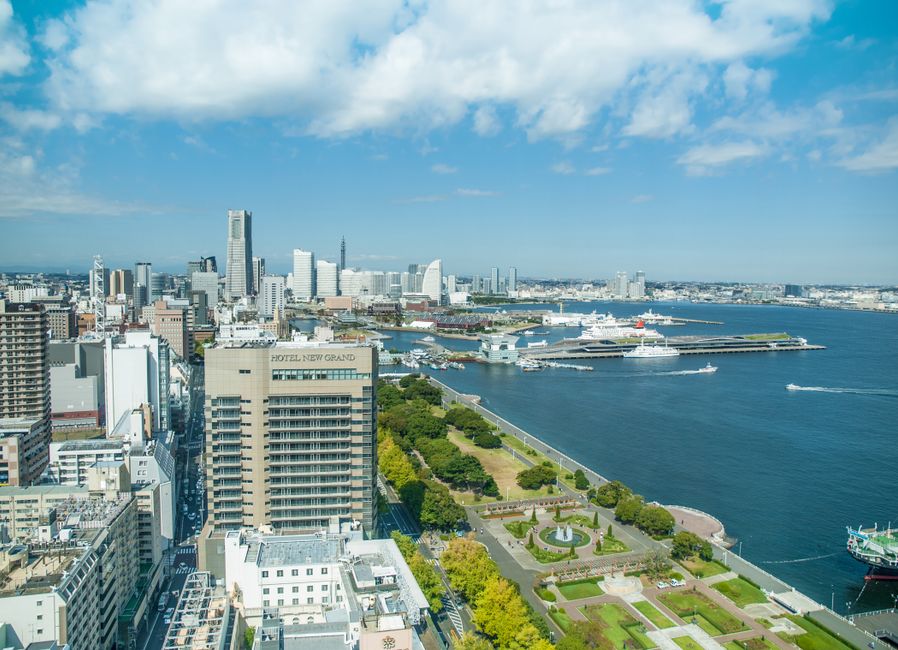
Minato Mirai 21: the modern waterfront
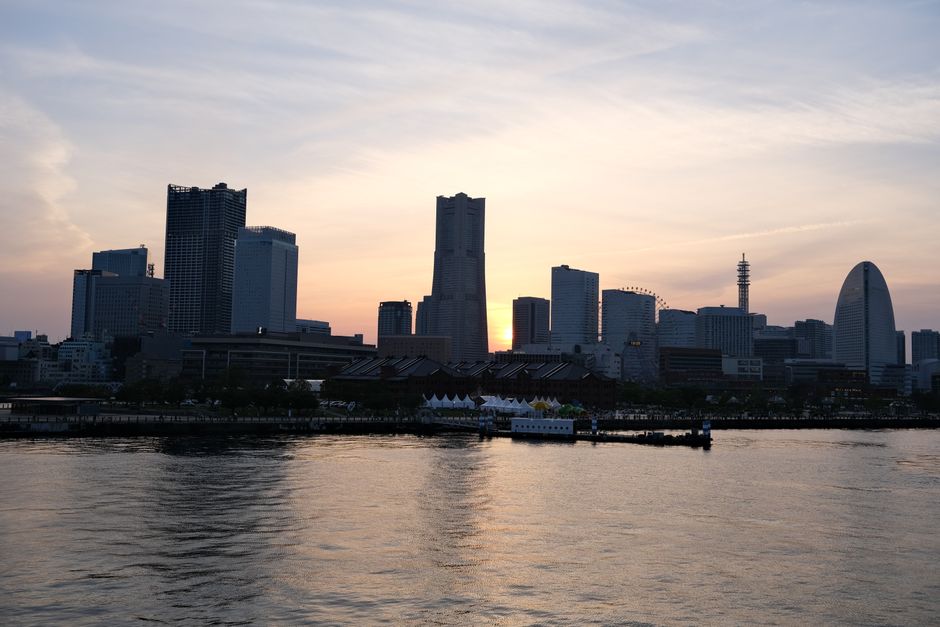
Minato Mirai 21 brings together skyscrapers, shopping centres and leisure spaces on redeveloped former port land. Yokohama Landmark Tower, the third-tallest building in Japan, has an observation deck on the 69th floor. The Cosmo World amusement park features a large 112 m Ferris wheel visible from a distance, while the Red Brick Warehouses, former 1911 warehouses, are now home to shops, cafés and exhibitions.
The area really comes alive in the evening with its illuminations and seaside promenade. You can spend half a day here combining sightseeing, shopping and a break at one of the many restaurants overlooking the bay.
Yokohama Chinatown: the largest in Japan
Yokohama Chinatown covers 0.2 km² and is home to several hundred shops and restaurants. Founded when the port opened, it remains the heart of the local Chinese community. You enter through one of ten traditional gates aligned with the cardinal directions, and come across two main temples: Kanteibyō, dedicated to Guan Yu, and Masobyō, dedicated to Mazu.
Culinary specialities include nikuman, shūmai, braised pork and Peking duck. The area can be explored on foot in one to two hours, or longer if you sit down for a meal. Chinese New Year in February attracts large crowds. To extend your Japanese culinary experience, see our guide to bento and its traditional combinations.
Yamashita and its Western-style houses
The Yamashita area preserves Western-style residences built by the first foreign residents during the Meiji era. These wooden houses, often open to the public, bear witness to European and American influence. You can visit them free of charge or for a small fee, and discover period furniture and English-style gardens.
This area offers a peaceful walk away from the bustle of the city centre, and combines well with a visit to Sankeien Garden, located nearby.
Cultural visits and museums in Yokohama
The Shin-Yokohama Ramen Museum
This unique museum recreates a Japanese street from 1958 and traces the history of ramen through exhibitions and noodle shops representing the main regional schools: Sapporo, Hakata, Tokyo and Kyoto. You can sample different styles of ramen on site in a retro setting.
Allow two to three hours if you want to try several bowls. Portions can be reduced to allow you to sample more varieties. The museum attracts an international audience and is easy to visit even if you do not speak Japanese.
Sankeien Garden: architecture and nature
Opened in 1906, Sankeien Garden covers 175,000 m² and is home to historic buildings relocated from various regions of Japan. Here you can discover Edo-period pavilions, samurai houses, temples and traditional bridges set among lotus ponds and wooded hills.
Allow two to three hours to explore the garden. The cherry blossoms in spring and the maple trees in autumn attract many visitors. Wear good shoes for the sloping paths.
Yokohama Museum of Art and other museums
The Yokohama Museum of Art, designed by architect Tange Kenzo, displays collections of modern and contemporary Japanese and international art. Other cultural institutions are dotted around the city, including a maritime museum, a silk museum and a history museum. Check opening times and closing days before your visit.
Getting to and around Yokohama
From Tokyo
You can reach Yokohama in around 30 minutes from several Tokyo stations. The JR Shonan-Shinjuku Line departs from Shinjuku, the JR Keihin-Tōhoku Line from Tokyo Station, and the Tōkyū Tōyoko Line from Shibuya. From Haneda Airport, the Keikyū Line takes you to Yokohama in 25 minutes.
The Japan Rail Pass covers most JR lines. Private lines require a separate ticket or a rechargeable IC card. Check timetables and fares on the railway companies’ websites or via transport apps.
Getting around Yokohama
The railway network and municipal underground cover the main areas. Minato Mirai, Chinatown and Yamashita can be explored on foot once you are there. A day pass may be worthwhile if you plan to make several journeys during the day.
Taxis are available but expensive for long distances. Use public transport to travel between tourist attractions.
Combining Yokohama with other destinations
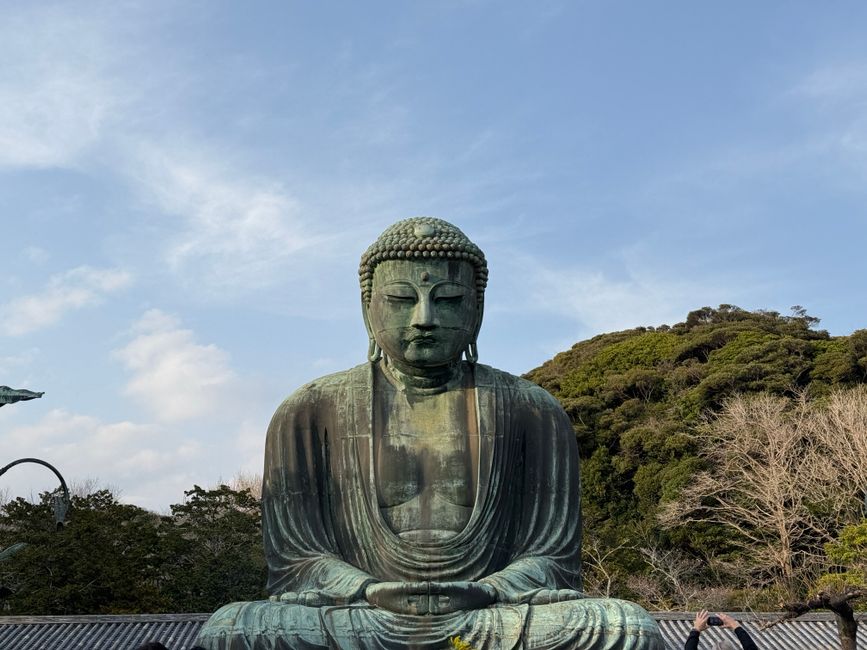
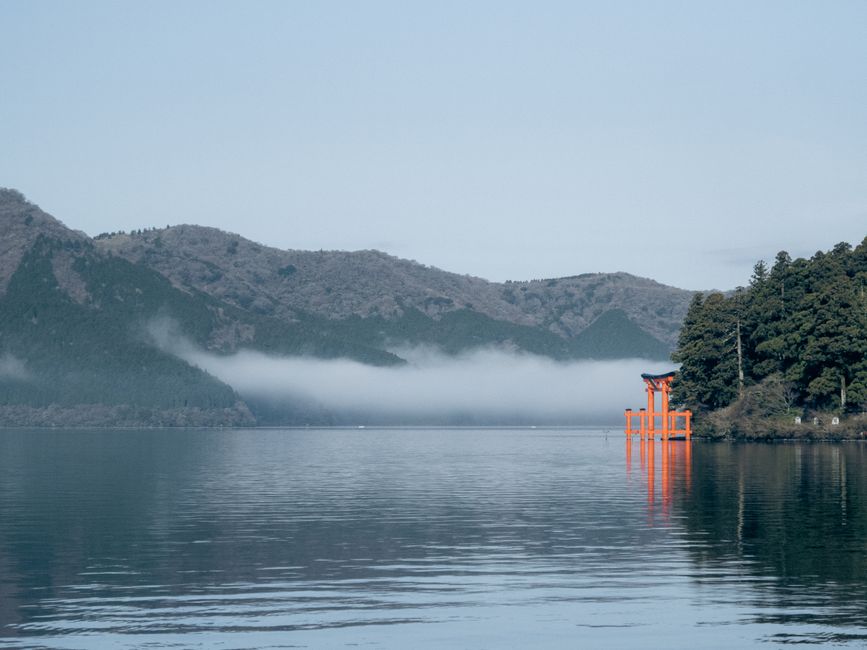
Yokohama is at the heart of the Kantō region and can easily be combined with other visits. Kamakura, famous for its Great Buddha and temples, is 30 minutes away. Hakone, a hot-spring resort at the foot of Mount Fuji, can be reached in an hour. Tokyo is also within easy reach for an extra day.
A classic four- to five-day itinerary includes Tokyo, Yokohama, Kamakura and Hakone. You can also continue north towards Nikko or south to the Izu Peninsula. To plan a longer stay, discover the attractions of Hokkaido and its natural landscapes.
Where to stay and eat in Yokohama
Accommodation
Yokohama offers hotels in every category, from hostels to luxury seaside establishments. Minato Mirai is home to modern hotels with bay views, while the area around Chinatown offers more affordable options. Book in advance during busy periods.
If you are looking for an unusual experience, find out about capsule hotels and how they work in Japan.
Restaurants and specialities
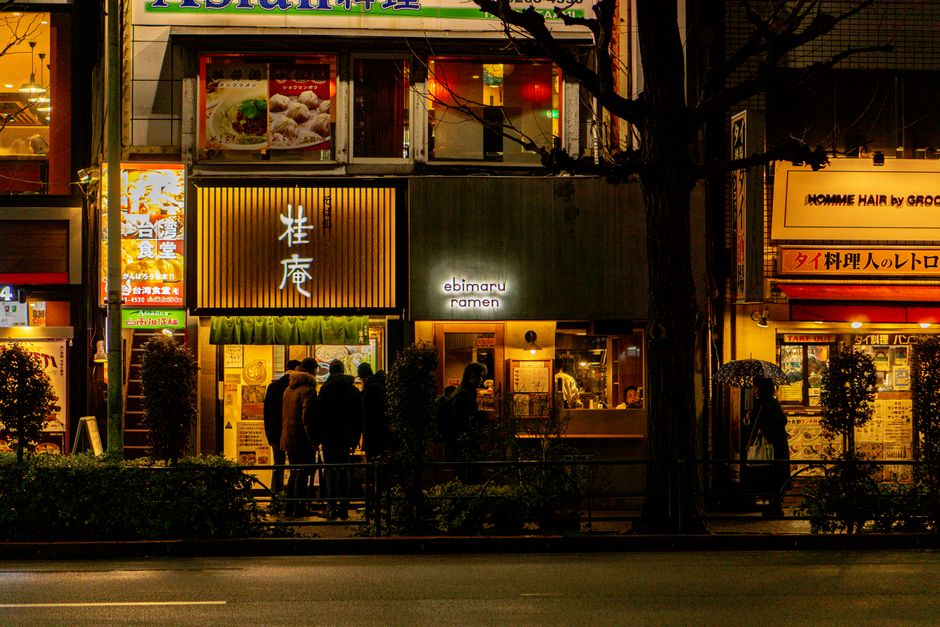
Chinatown remains the essential destination for Chinese cuisine: dim sum, Peking duck, noodles and regional dishes. Minato Mirai offers international restaurants and Japanese chains. The ramen museum lets you discover the country’s different noodle schools.
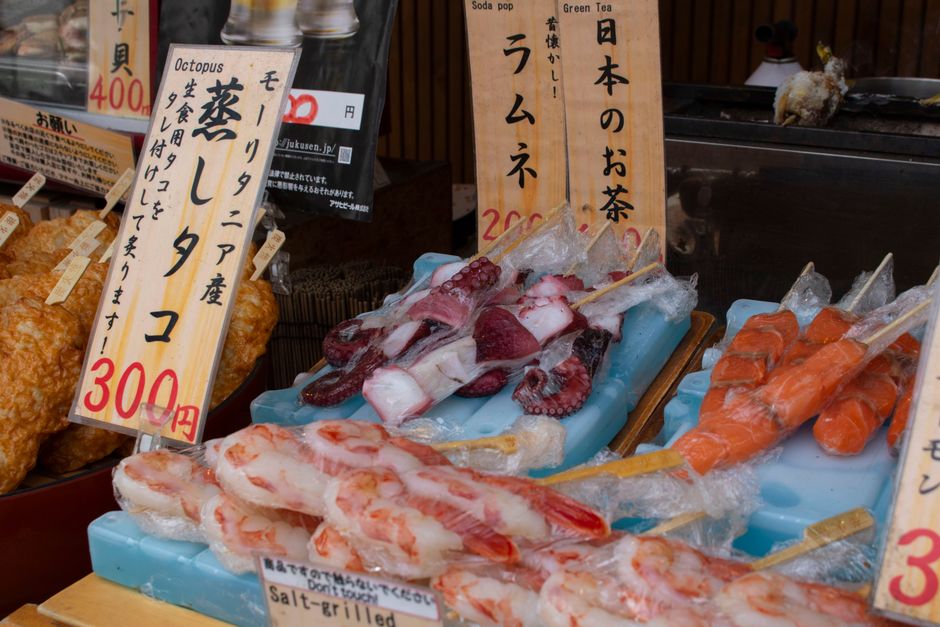
You will also find konbini open 24/7 throughout the city for quick meals or snacks. Local markets and street stalls add to the culinary offering.
When to visit Yokohama
Yokohama can be visited all year round. Spring brings cherry blossoms in the parks and gardens, while autumn colours the maple trees in Sankeien Garden. Summers can be hot and humid, while winters remain mild compared with northern Japan.
Minato Mirai’s winter illuminations attract visitors from November to February. Chinese New Year in February transforms Chinatown into a festive scene with parades and performances. Avoid long weekends and Japanese school holidays if you prefer fewer crowds.
| Season | Advantages | Disadvantages |
|---|
| Spring | Cherry blossoms, pleasant temperatures | Large tourist crowds |
| Summer | Festivals, seaside events | High heat and humidity |
| Autumn | Autumn colours, mild climate | Peak visitor numbers in November |
| Winter | Illuminations, fewer tourists | Short days, cool evenings |
Practical tips for your visit
Allow a full day to cover Minato Mirai, Chinatown and a museum or garden. If you want to explore further, two days allow you to visit the ramen museum, Sankeien Garden and the Western-style houses without rushing.
Wear comfortable shoes: you will walk several kilometres between the sites. Download a public transport app to make getting around easier. Cash machines accepting foreign cards can be found in konbini and major stations.
If you are considering settling in Japan, find out about the average salary and cost of living or options such as the Working Holiday Visa to work and travel. Yokohama, close to Tokyo, attracts many expats because of its quality of life and professional opportunities.
Frequently asked questions
How long do you need to visit Yokohama?
A full day is enough to discover the main sites: Minato Mirai, Chinatown and a museum or garden. If you want to explore the ramen museum, Sankeien Garden and the Western-style houses in depth, allow two days. Yokohama is easy to visit from Tokyo on a day trip.
How do you get from Tokyo to Yokohama?
You can reach Yokohama in around 30 minutes from Tokyo via several lines: the JR Shonan-Shinjuku Line from Shinjuku, the JR Keihin-Tōhoku Line from Tokyo Station, or the Tōkyū Tōyoko Line from Shibuya. The Japan Rail Pass covers the JR lines. From Haneda, the Keikyū Line takes you to Yokohama in 25 minutes.
What should you eat in Yokohama Chinatown?
Yokohama Chinatown offers nikuman (steamed stuffed buns), shūmai (steamed dumplings), braised pork and roast duck. You will also find a variety of dim sum, noodles and regional Chinese dishes. The district has several hundred restaurants, from street stalls to fine-dining establishments.
Can you visit Yokohama with the Japan Rail Pass?
Yes, the Japan Rail Pass covers most JR lines connecting Tokyo and Yokohama, including the JR Shonan-Shinjuku Line and the JR Keihin-Tōhoku Line. Private lines such as the Tōkyū Tōyoko Line and the Keikyū Line require a separate ticket or a rechargeable IC card.
Can you visit Yokohama and Kamakura on the same day?
Yes, Yokohama and Kamakura are 30 minutes apart. You can spend the morning in Yokohama (Chinatown and Minato Mirai) and the afternoon in Kamakura to see the Great Buddha and the temples, or vice versa. Set off early to make the most of both cities.
When is Chinese New Year celebrated in Yokohama?
Chinese New Year is celebrated in Yokohama Chinatown in February, according to the lunar calendar. Festivities include dragon and lion parades, traditional performances and food stalls. The district attracts several hundred thousand visitors during this period. Check the exact dates each year.