Which area should you choose for your hotel in Yokohama?
The choice of area depends on your priorities: views of the port, access to Chinatown or proximity to transport links for Tokyo.
Minato Mirai: modernity and bay views
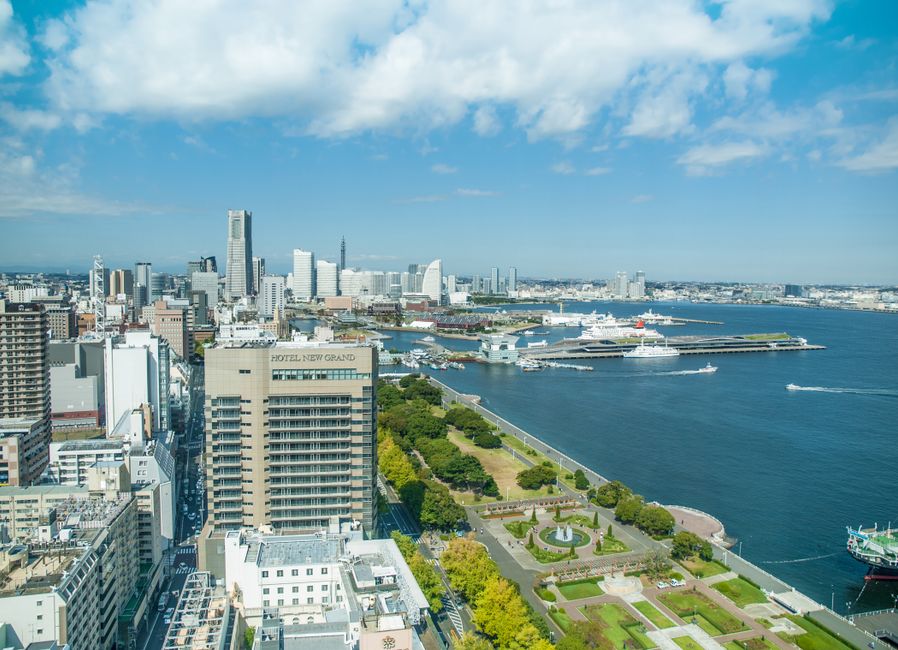
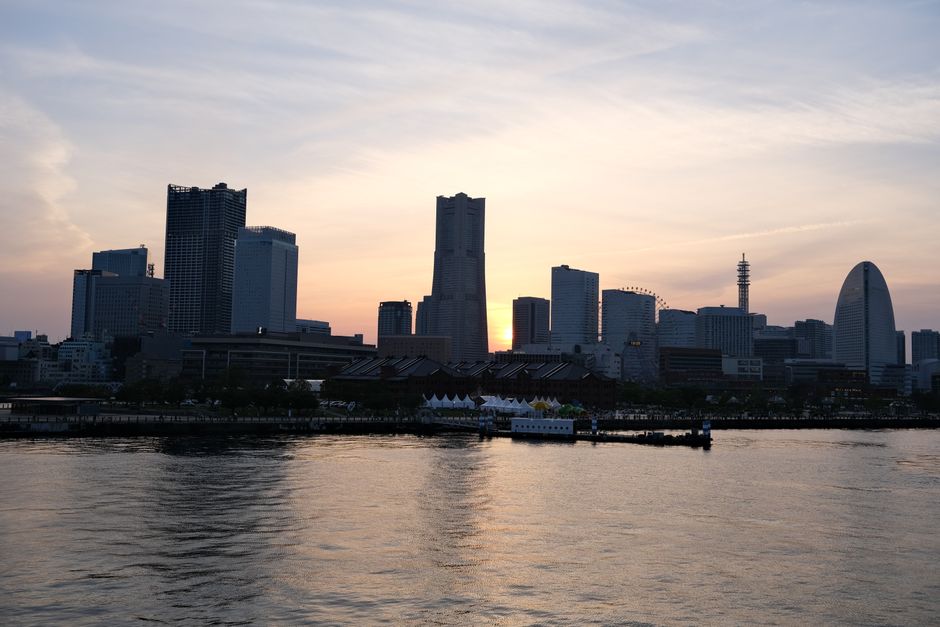
This futuristic district is home to several upmarket hotels with panoramic views of the port and Landmark Tower. You will find shopping centres, Cosmo World and Red Brick Warehouse within walking distance. Hotels in this area are suitable for travellers looking for a contemporary atmosphere and modern facilities. Rates are generally higher, but the night-time views often justify the difference.
Naka-ku and Yamashita-cho: Chinatown and heritage
This central area provides direct access to Japan’s largest Chinatown, Yamashita Park and the historic port district. Hotels range from practical business hotels to historic properties such as the New Grand. You will be right next to Chinese restaurants, shops and waterfront promenades. This area is suitable for travellers who prioritise food and a harbour atmosphere.
Around Yokohama Station: convenience for Tokyo
Hotels near the main station offer excellent value for money and make it easy to travel to Tokyo or other cities. You will find many business hotel chains with compact but well-equipped rooms. This choice is suitable if you are planning daily excursions in the Tokyo-Yokohama region and are primarily looking for practical accommodation.
Price ranges and types of accommodation
Yokohama offers accommodation for all budgets, often at more affordable prices than central Tokyo for an equivalent level of comfort.
| Category | Indicative rate (per night) | Type of accommodation |
|---|
| Budget | 5,000–9,000 yen | Capsule hotels, hostels, small single rooms |
| Mid-range | 10,000–18,000 yen | Business hotels (APA, Sotetsu Fresa Inn), standard double rooms |
| Upscale | 20,000–35,000 yen | 4- and 5-star hotels, spacious rooms, extensive services |
| Luxury | 40,000 yen and above | International hotels, suites, panoramic views, spa |
Capsule hotels and hostels are suitable for solo travellers or those on a tight budget who are happy with limited space. Business hotels offer a good balance between price and comfort, with clean rooms in convenient locations. Upscale and luxury hotels are mainly concentrated in Minato Mirai and offer a full range of services: restaurants, bars, swimming pools and stunning views over the bay.
Book at the right time
Rates rise significantly during long weekends, the cherry blossom season (late March to early April) and Japanese national holidays. Booking several weeks in advance allows you to benefit from better prices and a wider choice. Online booking platforms display rates in real time and make it easy to compare properties.
Getting there from Tokyo and the airports
Yokohama is around 30 minutes from Tokyo, making it a convenient base for exploring the region without having to deal with the capital’s hustle and bustle.
From central Tokyo
The JR Tokaido Shinkansen line connects Tokyo Station to Shin-Yokohama in around 18 minutes. The JR Keihin-Tohoku line serves Yokohama Station from Tokyo Station in around 25 minutes, with intermediate stops at Shinagawa and Kawasaki. These lines are covered by the JR Pass, making journeys free for pass holders.
From the airports
From Haneda, the Keikyu Airport Line reaches Yokohama in around 25 minutes, with frequent direct trains. From Narita, the Narita Express (N'EX) serves Tokyo Station, where you can take the Shinkansen or the Keihin-Tohoku line. The total journey takes around 75 minutes. Taxis from Haneda remain an expensive option, but may be worth considering for groups or late arrivals.
Practical tips for your stay in Yokohama
A few things to check before booking your hotel in Yokohama.
Check the actual distance to the attractions
Some hotels advertise themselves as being close to Minato Mirai or Chinatown when they are actually several train stations away. Check a map to estimate the actual walking time or the number of changes required. Hotels located directly on the Minato Mirai Line or near Motomachi-Chukagai Station make it easier to get around on foot.
Services and facilities
Japanese business hotels generally offer compact but well-equipped rooms: free Wi-Fi, air conditioning and a small bathroom with a bath. Higher-category hotels add restaurants, gyms and sometimes onsen (hot-spring baths). Check whether breakfast is included or available at an additional cost, as this may affect your daily budget.
Alternatives to hotels
Apartment rentals through specialist platforms may suit families or longer stays. They offer more space and a fully equipped kitchen, helping to reduce food costs. Make sure the accommodation complies with local regulations on short-term rentals.
If you are planning to combine Yokohama with other destinations, see our guides to hotels in Tokyo’s Shinjuku for a lively, well-connected neighbourhood, or hotels in Kamakura for a nearby cultural stop. For a more traditional experience, hotels in Kanazawa offer a historic setting with gardens and samurai districts.
Frequently asked questions
How many nights should you plan for visiting Yokohama?
One or two nights are enough to see the main sights: Minato Mirai, Chinatown, Yamashita Park and Sankeien Garden. If you would like to explore the museums, the beaches to the south or combine your visit with trips to Kamakura, plan for three nights. Yokohama can also be visited on a day trip from Tokyo.
Are Yokohama hotels cheaper than those in Tokyo?
Yes, at a similar level of comfort, rates are often 10 to 20% lower than in central Tokyo. Upscale hotels in Minato Mirai remain comparable to high-end hotels in Tokyo, but business hotels and budget accommodation offer more affordable prices.
Can you use the JR Pass to get to Yokohama?
Yes, the JR Pass covers the JR Tokaido Shinkansen and JR Keihin-Tohoku lines between Tokyo and Yokohama. You can make unlimited return journeys while your pass is valid. The Keikyu line from Haneda is not covered by the JR Pass.
Which area should you choose to visit Chinatown on foot?
Choose hotels in Naka-ku or near Motomachi-Chukagai Station, which provides direct access to Chinatown. Yamashita Park and the historic port district are also within walking distance. Minato Mirai is still accessible within a 15-minute walk or a few train stops.
Are there hotels with onsen in Yokohama?
A few high-end establishments offer hot baths or spa facilities, but Yokohama is not known for its onsen. For an authentic hot-spring experience, consider a trip to Hakone, one hour away by train, which offers numerous ryokan and hotels with natural hot springs.
Do you need to book well in advance for Yokohama?
Booking two to four weeks in advance is generally sufficient, except during busy periods (the cherry blossom season, Golden Week in May and the summer holidays). Weekends see an increase in visitors, as many Tokyo residents come to spend the day in Yokohama. Comparing prices across several platforms helps you find the best deals.