To get online as soon as you land, a Japan eSIM can be installed before you leave, with no need to look for a local SIM card.
Shizuoka City or prefecture: choosing the right stop
The name Shizuoka refers both to a city and a large prefecture. This distinction helps you avoid underestimating distances and concentrating all your visits around Shizuoka Station. The city is suited to exploring on foot or by local transport, while the coastal sites, hot-spring resorts and Hamamatsu require separate planning.
| Area | What you’ll find there | Best suited to |
|---|
| Shizuoka city centre | Urban life, restaurants, rail links and local heritage | Short stop or base for exploring |
| Nihondaira and Miho | Views of Mount Fuji, plantations, shrines and coastline | Scenery and culture |
| Hamamatsu | Musical instruments, Inasa Park and the atmosphere of a major regional city | A complementary visit in the western part of the prefecture |
| Izu, Atami and Itō | Onsen, coastline and seaside scenery | A more relaxed stay |
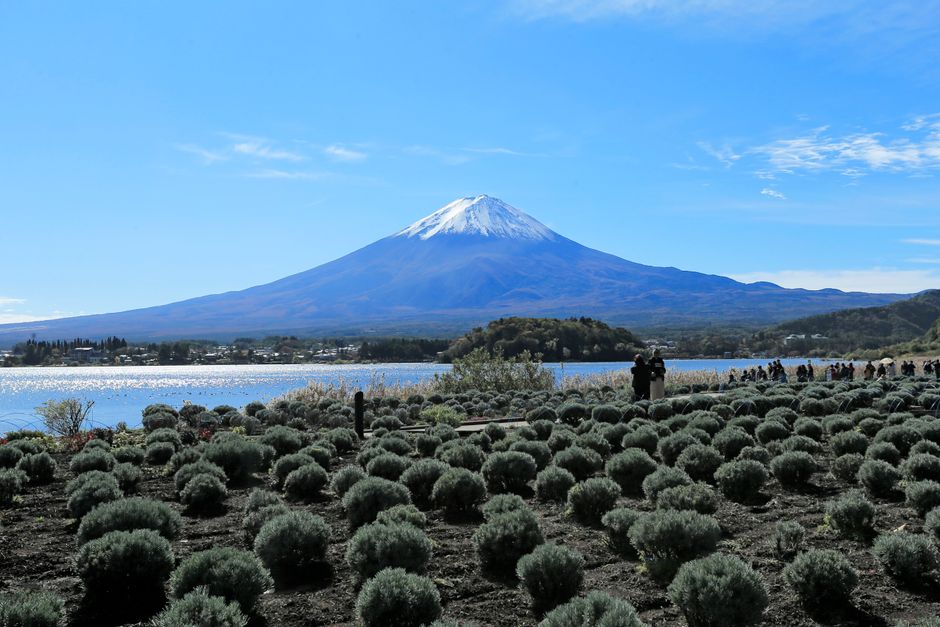
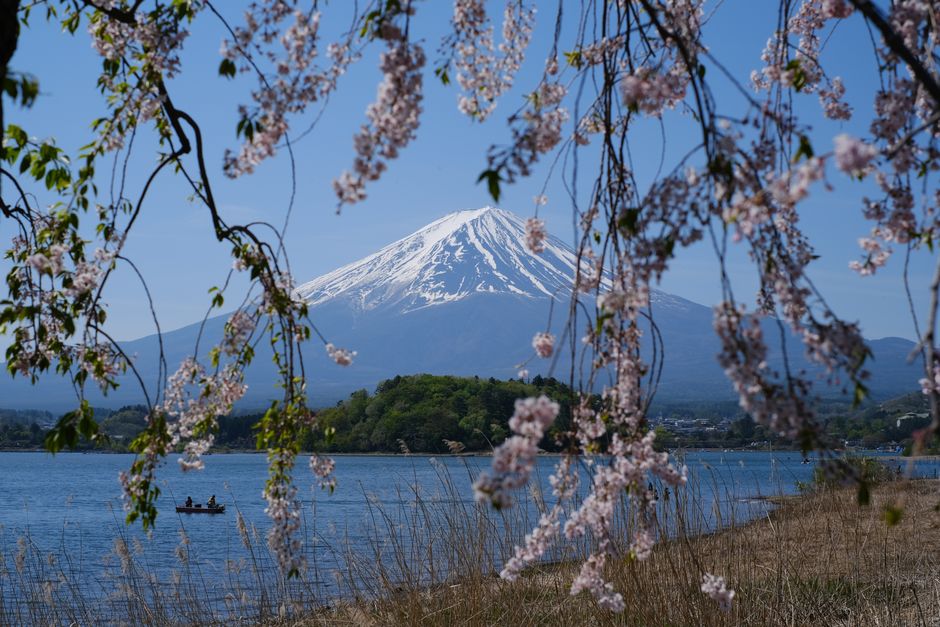
If Mount Fuji is your priority, also compare the other viewpoints featured in the guide to the best views of Mount Fuji. Shizuoka stands out for the combination of the mountain, the sea and Miho’s pine trees, rather than for a single panoramic viewpoint.
What to do in Shizuoka based on your interests
Discovering tea culture
The landscapes of Honyama, Ashikubo, Nihondaira and other growing areas help you understand the link between agriculture and local identity. A farm visit or tasting is more meaningful if you also take in the terrain, terraces and processing methods. The guide to matcha in Japan will help you distinguish matcha from other green teas and choose your souvenirs more wisely.
Before booking an experience, check the visitor arrangements, the language offered, access from the station and whether a booking may be required. Farm visits can vary depending on the season and the producers’ availability.
Combining heritage and panoramic views
Kunōzan Toshogu Shrine and the Nihondaira plateau make a natural combination. The shrine offers a historical dimension linked to Tokugawa Ieyasu, while the plateau opens up views over the bay, plantations and, when the sky is clear, Mount Fuji. The cable car can make the journey to the shrine easier; check the timetable and operating conditions before setting off.
Enjoying the Miho coast
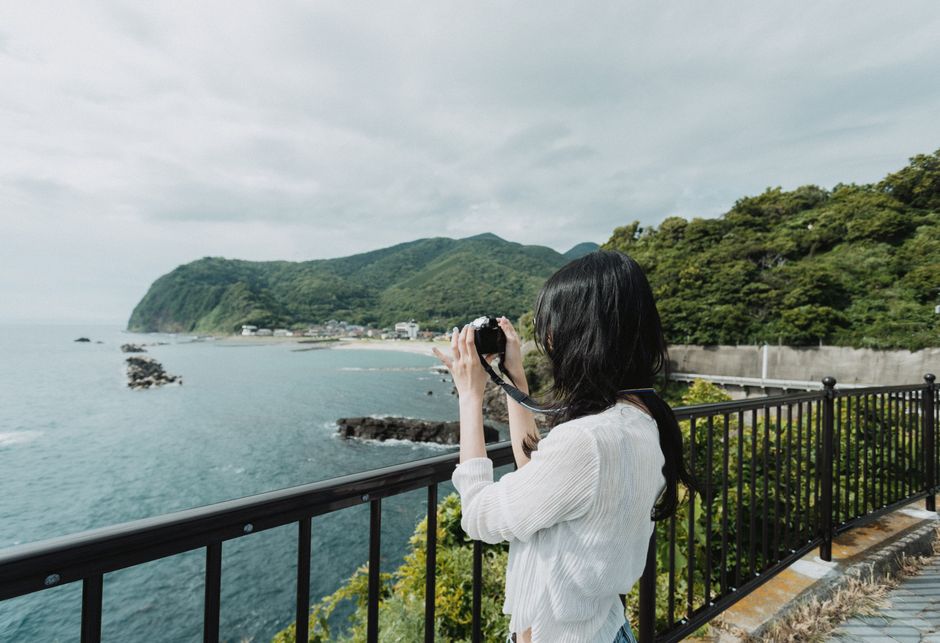
Miho suits travellers who want to photograph an iconic landscape without limiting their visit to a mountain. The pine trees, sea and Mount Fuji create a particularly recognisable scene. The walk can still be enjoyable when the summit remains hidden: you can then make the most of the coastline, Miho-jinja Shrine and the atmosphere of the site.
Hamamatsu and the western part of the prefecture
Hamamatsu is a good complement to an itinerary focused on Shizuoka. The city is associated with musical instruments, notably through companies such as Yamaha and Kawai, as well as its kite festival and Inasa Park. It offers a different side of the prefecture, one that is more urban and oriented towards the west.
To organise this part of your trip, do not try to visit every site in the prefecture from a single base. Look at actual travel times, connections and the last departures. A regional map or information from local operators will help you check the routes before choosing your accommodation.
- Choose Shizuoka to be closer to Nihondaira, Miho and Kunōzan Toshogu Shrine.
- Choose Hamamatsu to explore the west and continue your journey towards Nagoya.
- Choose the coast or Izu to prioritise seaside scenery, hot springs and a slower pace.
How to organise a stay in Shizuoka
For a quick stop
Start in the city centre, then devote your main outing to Nihondaira and Kunōzan Toshogu Shrine. If the weather is favourable, continue to Miho for a variety of viewpoints. This arrangement limits changes of area and leaves some flexibility for meals or unexpected delays.
For a deeper exploration of the region
Add a day devoted to tea or the coast, then choose between Hamamatsu, Yaizu, Omaezaki or the Izu Peninsula according to your priorities. Yaizu will appeal to seafood lovers, while Omaezaki is well suited to a scenic outing. Travellers attracted by hot springs can consider Atami and Itō.
The Tōkaidō Shinkansen serves Shizuoka and connects it with Tokyo, Nagoya, Kyoto and Osaka, among other places. Timetables, eligible trains and ticket conditions depend on your itinerary: always check the railway company’s information. Do not automatically choose a regional or national pass without comparing its use with your planned journeys.
When to visit Shizuoka
Spring brings blossoms, autumn brings colourful foliage and winter can offer a snow-capped Mount Fuji when the air is clear enough. For tea plantations, the appearance of the landscapes and the activities available can change throughout the year. The best time therefore depends on your priority: photography, hiking, tasting, heritage or the coast.
Visibility of Mount Fuji is never guaranteed. Check the forecast before setting off, but keep a plan that remains interesting without a view: a museum, shrine, local food or an urban visit. For a climb, consult the up-to-date rules and information in the guide dedicated to climbing Mount Fuji in 2026.
Practical advice before you go
- Check the timetables for buses, the cable car, museums and religious sites.
- Wear suitable footwear if your route includes stairs or uneven paths.
- Respect the quiet of shrines and follow the instructions concerning photography.
- Keep a backup plan in case of rain, mist or poor visibility.
- Consult official sources for access, temporary closures and weather conditions.
Shizuoka works particularly well as a stop between the major cities along the Tōkaidō, but it also deserves a slower stay centred around tea and the coastline. By clearly separating the city, coast and other parts of the prefecture, you can build a more realistic itinerary and make better use of each landscape.
Frequently asked questions
Where can you see Mount Fuji in Shizuoka?
Some of the most impressive viewpoints are at Nihondaira and along the Miho coast. The mountain can also appear from several other parts of the prefecture, but visibility depends on the weather and mist. Check the forecast and plan an additional visit in case the summit is hidden.
Is Shizuoka worth visiting between Tokyo and Kyoto?
Yes, if you enjoy tea-growing landscapes, Tokugawa heritage, the coastline and views of Mount Fuji. An itinerary focused on the city and Nihondaira already offers a well-rounded introduction. For Hamamatsu, Izu or the hot springs, allow more time and check transport options.
What is there to see in Hamamatsu, in Shizuoka Prefecture?
Hamamatsu is known for its musical instruments, kite festival and Inasa Park. It offers a different atmosphere from Shizuoka City and makes an interesting stop in the western part of the prefecture. Check the opening times and access arrangements for each site before setting off.
What is Shizuoka known for?
Shizuoka is best known for green tea, grown in several hilly areas of the prefecture. You can explore this culture further through a tasting, a farm visit or a museum. The region is also renowned for seafood, wasabi and specialities associated with the Izu Peninsula.
How do you get to Shizuoka from Tokyo?
The Tōkaidō Shinkansen connects Tokyo with Shizuoka. The journey time and train type depend on the service chosen and the day’s timetable. Check the railway company’s official information before booking, especially if you are using a pass or planning to continue on to Kyoto, Osaka or Hamamatsu.