To get online as soon as you land, a Japan eSIM can be installed before you leave, with no need to look for a local SIM card.
Where Izu is and how to choose your area
The Izu Peninsula is in Shizuoka Prefecture, approximately 100 km south-west of Tokyo. Its elongated shape and volcanic terrain account for the diversity of its landscapes: Sagami Bay to the east, the Pacific Ocean to the south, mountains in the centre and wilder coastlines to the west.
The name Izu may refer to the peninsula, the city of Izu or the wider region. Izu City is inland, while Itō, Higashiizu and Shimoda are mainly located along the eastern and southern coast. So check the exact municipality where your accommodation is located before booking.
| Area | Main attraction | Best for |
|---|
| Itō and Izu-Kogen | Coast, onsen, walks and Mount Omuro | First visit and day trip from Tokyo |
| Higashiizu and Inatori | Hot springs, sea and a coastal village atmosphere | Ryokan, relaxation and seascapes |
| Shuzenji | Hot-spring district, temple and river | Traditional atmosphere and a peaceful stay |
| Shimoda | Beaches, port and the history of Japan’s opening | Southern peninsula and seaside |
| West coast | Scenic roads and less urban landscapes | Road trip by car |
Higashiizu: hot springs and villages on the east coast
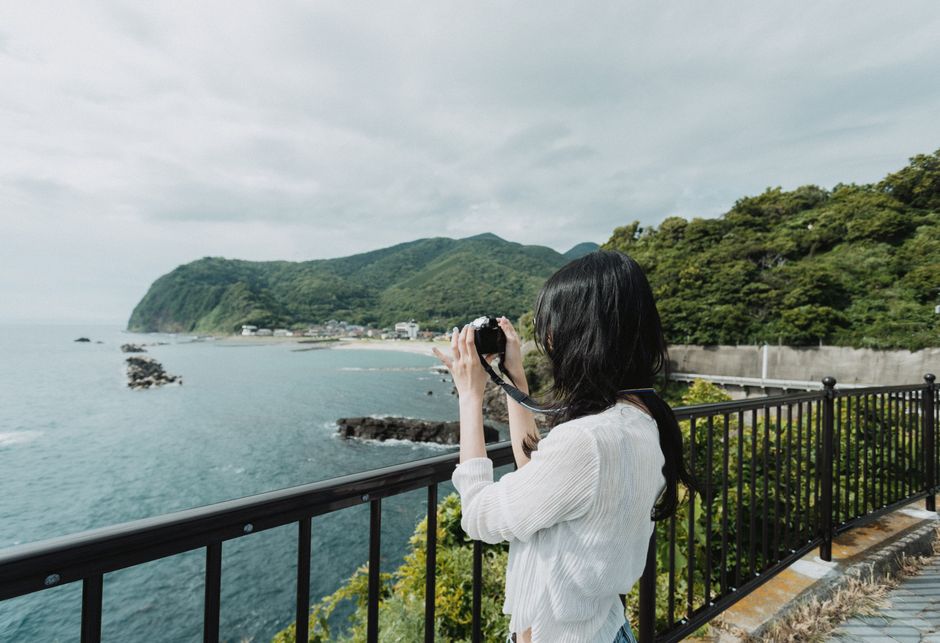
Higashiizu is a coastal town in Kamo District, on the eastern side of the peninsula. Mount Amagi rises behind it, while Sagami Bay opens up views towards the sea. The destination is known for its hot-spring establishments, ryokan-style accommodation and more peaceful pace than that of the major cities.
A stay in Higashiizu is best enjoyed in accommodation with an onsen, particularly when the room or outdoor bath overlooks the ocean. The town’s villages, including Inatori, also offer the chance to discover cuisine centred on seafood and local traditions. Opening hours, baths available to non-residents and booking rules vary from one establishment to another.
Higashiizu or Ito?
Ito is more convenient for a first exploration of the east coast and for reaching the Izu-Kogen sites. Higashiizu is better suited if you are looking for a ryokan, sea views and a relaxing stopover. The two areas can complement each other, but their accommodation is not in the same area: check the connections before making multiple changes.
What to do in Izu based on your interests
For coastal scenery
The Jogasaki Coast offers volcanic cliffs, trails and viewpoints over the Pacific. Kadowaki-zaki Suspension Bridge and the lighthouse are among the best-known landmarks. Wind, trail conditions and the weather can affect the experience: sturdy shoes and suitable clothing are recommended.
For hot-spring baths
Atami, Ito, Shuzenji, Inatori and Shimoda are the main hot-spring centres commonly associated with Izu. An onsen may be located in a ryokan, a public facility or a hotel. Before entering, check the access conditions, tattoo policy, opening hours and whether a towel is required. To prepare for your travel habits, also see this guide to the Suica card and transport in Japan.
For hiking and nature
Mount Omuro, Mount Amagi and the coastal trails offer a mix of volcanic terrain, forest and sea views. Hiking is not limited to simply reaching a viewpoint: some trails require you to check access, the weather and local conditions. Wasabi farms offer another way to discover the peninsula’s rural landscapes.
For history and beaches
Shimoda combines a historic port, old streets, temples and beaches. Perry Park and Ryosen-ji Temple recall the events linked to Japan’s opening to trade with foreign powers. For a more beach-oriented day, check locally which beaches are open, which areas are supervised and the swimming conditions.
Planning an itinerary in Izu
From Tokyo, Izu can be visited on a day trip, but the peninsula often deserves several stops. Distances and journey times increase as soon as you leave the main route. A realistic plan is to group visits by area rather than crossing the region every day.
- Short break: focus on Atami, Ito and Izu-Kogen, with a night in hot-spring accommodation if your schedule allows.
- Coastal stay: add Higashiizu or Inatori to enjoy a ryokan and the sea, then continue on to Shimoda.
- Nature trip: allow more flexibility for the trails, Mount Amagi and the scenic roads.
The train is suitable for the main areas of the east coast. Buses fill in the gaps, but frequencies and connections should be checked before setting off. A car makes it easier to reach viewpoints, villages and the west coast, but does not remove the constraints of parking or driving on winding roads.
If you are arriving from Tokyo, you can first consult our guide to Tokyo neighbourhoods for sightseeing and accommodation to choose a convenient starting point. For a trip combining the capital and the peninsula, leave some leeway in case of bad weather or a missed connection.
When to go and what to book
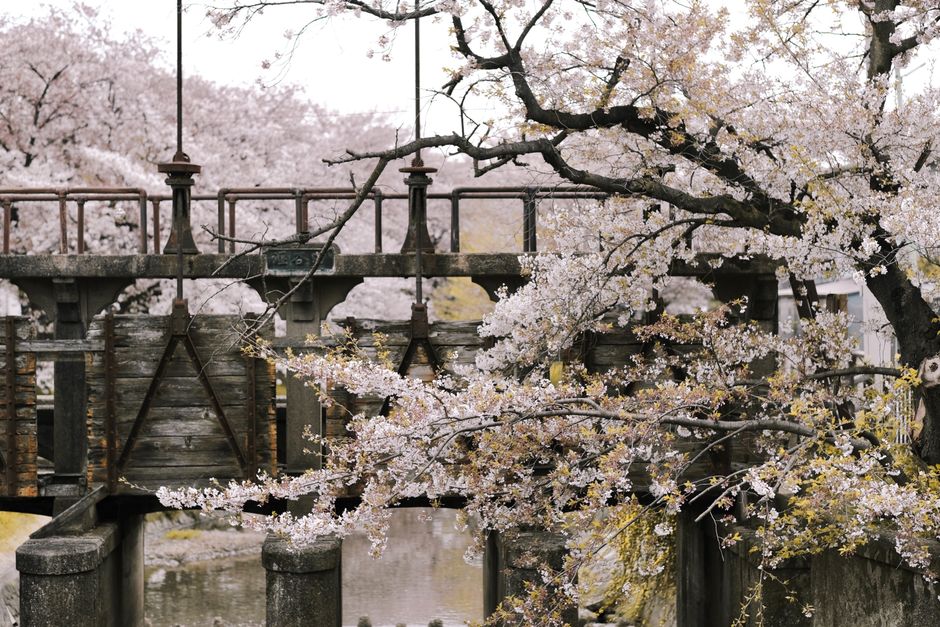
Spring attracts visitors for the cherry blossoms, particularly around Izu-Kogen and Atami. Summer is ideal for beaches and marine activities, while autumn brings out the foliage in the mountainous areas. Each season nevertheless affects availability, visitor numbers and hiking conditions.
- Book ryokans with private baths or sea views well in advance.
- Check whether dinner is included and whether the establishment accepts guests without meals.
- Check access from the nearest station before choosing accommodation in an isolated location.
- Consult official local information about beaches, trails, transport and any closures.
A traditional ryokan may offer a room with a futon, a regional dinner and a hot-spring bath. Arrangements differ considerably from one establishment to another. If you would like to extend your culinary discovery, this guide to Japanese sake and sake tasting may complement your preparations.
Frequently asked questions
Is Higashiizu worth visiting during a trip to Japan?
Yes, Higashiizu is a good choice if you are looking for a peaceful seaside stop, a ryokan and an onsen in a less urban atmosphere. The town is particularly appealing for slowing down and enjoying the coastal scenery. It is less suitable if you want to visit numerous sites on foot without using public transport.
What is the difference between Izu and Izu City?
Izu generally refers to the peninsula and its tourist region. Izu City is a municipality located inland on the peninsula, distinct from Ito, Higashiizu and Shimoda. This difference matters when planning journeys: an address simply listed as Izu may be far from the coast and the main stations.
Can you visit the Izu Peninsula without a car?
Yes, especially along the east coast, by combining trains and buses. Ito, Izu-Kogen and several hot spring resorts can be reached by public transport. A car is more convenient for the west coast, isolated sites and itineraries with many stops. Check the timetables before each journey.
Where to stay in Izu to enjoy an onsen?
Ito, Higashiizu, Inatori and Shuzenji are all good options, each with a different atmosphere. Ito and Izu-Kogen make sightseeing easier, Higashiizu focuses on the sea, while Shuzenji offers a more traditional hot spring setting. Compare access, meals, available baths and conditions of use before booking.
What to see in Izu if you love history?
Shimoda is the main historical stop, with its port, Perry Park, Ryosen-ji Temple and old streets. Shuzenji adds a religious and hot spring dimension around its temple and river. These visits combine well with a coastal stop or a stay in a ryokan.