Tip: set up a Japan eSIM before departure so your data works on arrival.
Understanding the Momiji Season
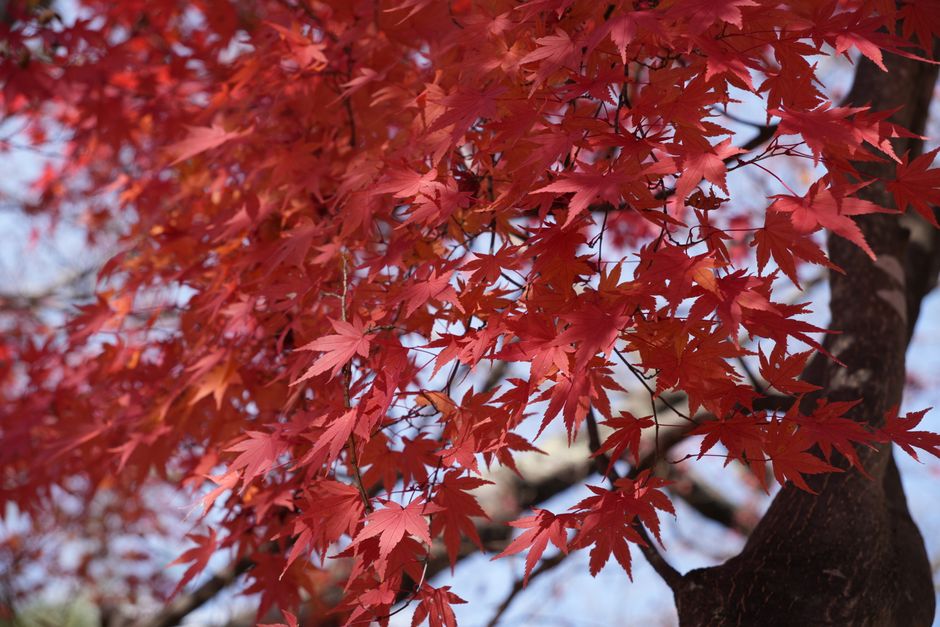
The term momiji is often used to refer to Japanese maple, while koyo more broadly describes the changing colour of leaves in autumn. The landscapes generally combine red, orange, yellow and brown. Ginkgo trees, easily recognised by their yellow foliage, do not necessarily follow the same calendar as maples.
The timing depends on altitude, latitude, exposure to sunlight and weather conditions. A valley, a summit and a nearby city may therefore reach their full glory at different times. The dates announced remain estimates: they should help guide your itinerary, not guarantee a specific colour.
Before you leave, check the foliage forecasts published by local tourism organisations or official Japanese sources. Update them shortly before each stage of your trip, especially if your journey relies on a single site.
How to choose the right time
The season generally progresses from the north and mountainous areas towards the more southerly regions. Higher-altitude areas can be interesting at the beginning of autumn, while major cities and Kansai sites are often better suited to the end of the season. The existing text on this page provides 2025 estimates by region; they should not be automatically applied to another year.
| Your situation | Recommended strategy |
|---|
| Travelling on fixed dates | Choose several places in different areas and follow the latest bulletins. |
| Kyoto-focused trip | Plan to visit temples and gardens, and take a trip into the nearby mountains to broaden your options. |
| Flexible itinerary | Start with areas where the leaves change earliest, then follow the progression towards the cities. |
| Looking for peace and quiet | Avoid the busiest times and favour lesser-known paths or gardens. |
The best types of places to visit
Temples and gardens
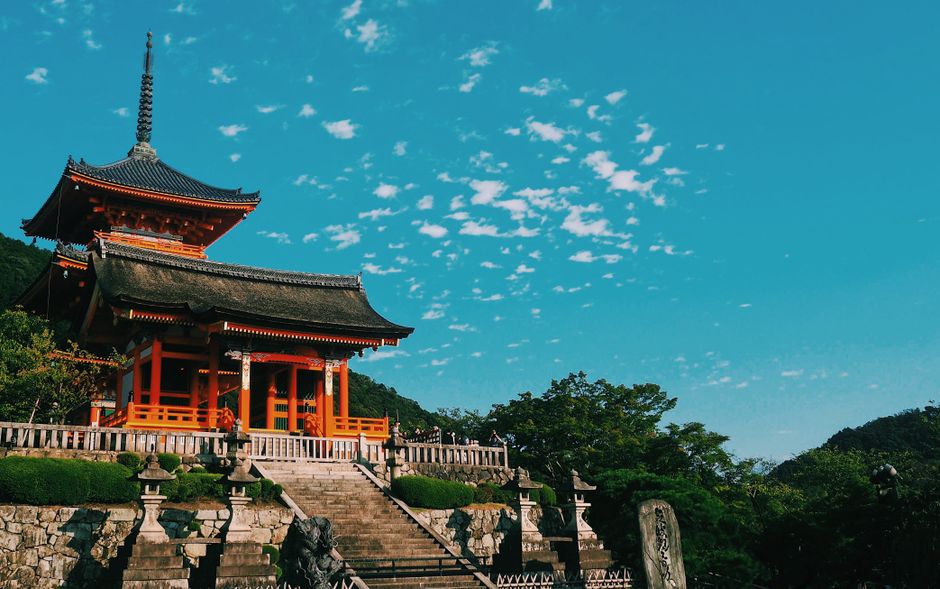
Kyoto’s temples combine maple trees, traditional architecture, ponds and stone paths. Eikan-dō and Tōfuku-ji are iconic choices, but their popularity can mean large crowds. Tokyo’s gardens offer a different experience: the colours can be enjoyed in an urban setting, often making them easier to fit into a short stay.
Mountains, valleys and waterfalls
Nikko, Hakone and the areas around Tokyo offer the chance to see momiji in more natural surroundings. Scenic roads, lakes and waterfalls add depth to photographs, but journeys can take longer during particularly busy periods. Check traffic conditions and transport timetables before setting off.
Rivers and trails
Korankei is known for its maple trees along the river. Minoo, near Osaka, combines a walk with a waterfall. At Miyajima, Mount Misen adds a more strenuous element, with views across the sea. These places suit travellers who would rather walk than visit a large number of temples.
Planning a momiji day
- Check the local forecast: look at the actual state of the leaves, opening times and any illuminations.
- Set off early: famous sites are more enjoyable before groups and organised excursions arrive.
- Plan an alternative: choose a replacement garden, temple or walk in the same area.
- Dress appropriately: mornings can be chilly, particularly in the mountains; wear clothes that are easy to remove during journeys.
- Respect the sites: stay on the paths, do not touch the trees and follow the photography guidelines.
For evening illuminations, check the dates, times and access conditions separately. A daytime admission ticket does not necessarily provide access to an evening session. Information may vary depending on the temple, garden or municipality.
Planning transport and your budget
The best-known sites can be reached by train or bus, but the final stretch may involve walking. An offline map, the Japanese address of the site and extra time for connections will make the day easier. In mountainous areas, services are often less frequent and return journeys may take longer.
Add transport, admission fees where applicable, meals and any illuminations to your budget. The reference text already gives certain prices for specific sites; check them with each establishment before your visit, as conditions may change.
If you are travelling with insurance or settling in Japan, consult the guide to health insurance in Japan. For a tourist trip, the safety in Japan recommendations are a useful addition to your travel preparations.
Momiji, photography and respect for the sites
Morning light often reveals the contours and shades better than the middle of the day. An overcast sky can also produce softer colours and reduce contrasts. When photographing a temple or garden, wait rather than blocking a passage, and check the rules concerning tripods, drones and prohibited areas.
Momiji attracts many visitors: be considerate in residential neighbourhoods, do not cross barriers and avoid stopping in the middle of stairways. Enjoying the scenery also depends on preserving the sites and respecting local residents.
Which itinerary suits your trip?
- First trip: combine a major city, a historic site and an outing in nature, rather than adding numerous distant stops.
- Photography enthusiasts: choose gardens, viewpoints and an evening visit, checking permissions beforehand.
- Hiking enthusiasts: favour Nikko, Hakone, Mount Takao or Mount Misen, depending on where you are based.
- Family trip: limit the number of connections and choose accessible walks with backup options.
For a longer stay or a move, the procedures are not the same as for a seasonal trip: consult the guide to the visa for Japan and the advice on moving to Japan if your plans go beyond tourism.
Frequently asked questions
What does momiji mean in Japanese?
Momiji mainly refers to the Japanese maple and, by extension, the sight of its red leaves in autumn. The word koyo is broader: it describes the autumn colouring of trees, including the yellow or orange foliage of other species such as ginkgo.
What is the difference between momiji and koyo?
Momiji mainly refers to Japanese maples, whereas koyo describes the changing colours of autumn as a whole. The two terms are often used together in guides and forecasts, but koyo covers more trees and landscapes.
How can you tell when the momiji are at their best?
Check local koyo reports and information published by the relevant tourist offices or venues. Also look at recent photographs and plan several locations. The announced dates are only indicative, as the weather can speed up or delay the change in colour.
Do you need to book momiji visits?
Booking depends on the location and the time of year. Some temples, gardens or evening events have a specific admission system, while others welcome visitors directly on site. Check the official arrangements before travelling, especially for illuminations and very popular sites.
Where can you see momiji without going to Kyoto?
Tokyo, Nikko, Hakone, Osaka, Korankei and Miyajima offer different experiences. You can choose an urban garden, a valley, a mountain road, a waterfall or a high-altitude trail. The best choice depends on when the colours actually appear and on your itinerary.