To get online as soon as you land, a Japan eSIM can be installed before you leave, with no need to look for a local SIM card.
How to choose Kyoto’s temples
The city is more than a list of famous monuments. Each temple offers a different experience: urban panoramas, rock gardens, decorated pavilions, wooded walks or the chance to discover religious statues. Your choice mainly depends on the time available and the atmosphere you are looking for.
For your first day, prioritise one geographical area rather than a succession of far-apart sites. You will reduce the number of transport changes and have more time for the gardens, buildings and surrounding streets. Mornings are generally best for very busy sites; at the end of the day, some neighbourhoods offer a calmer atmosphere, subject to opening hours.
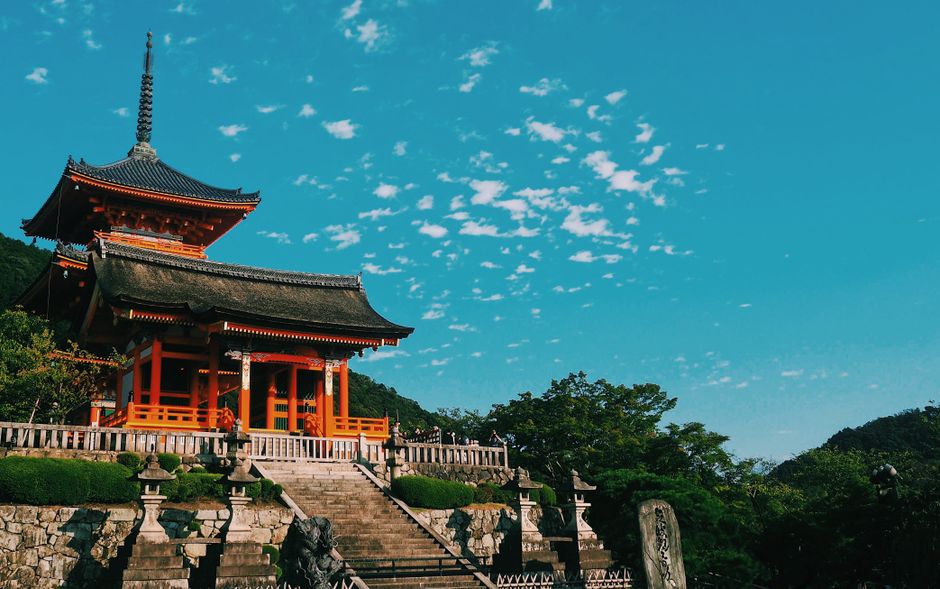
- Architecture and views: Kiyomizu-dera and Kinkaku-ji.
- Zen garden: Ryōan-ji, with its famous rock garden.
- Walks and maple trees: Tōfuku-ji, Nanzen-ji and Eikan-dō, depending on the season.
- Spiritual experience and torii gates: Fushimi Inari, which is a Shinto shrine rather than a Buddhist temple.
- Statues and religious heritage: Sanjūsangen-dō.
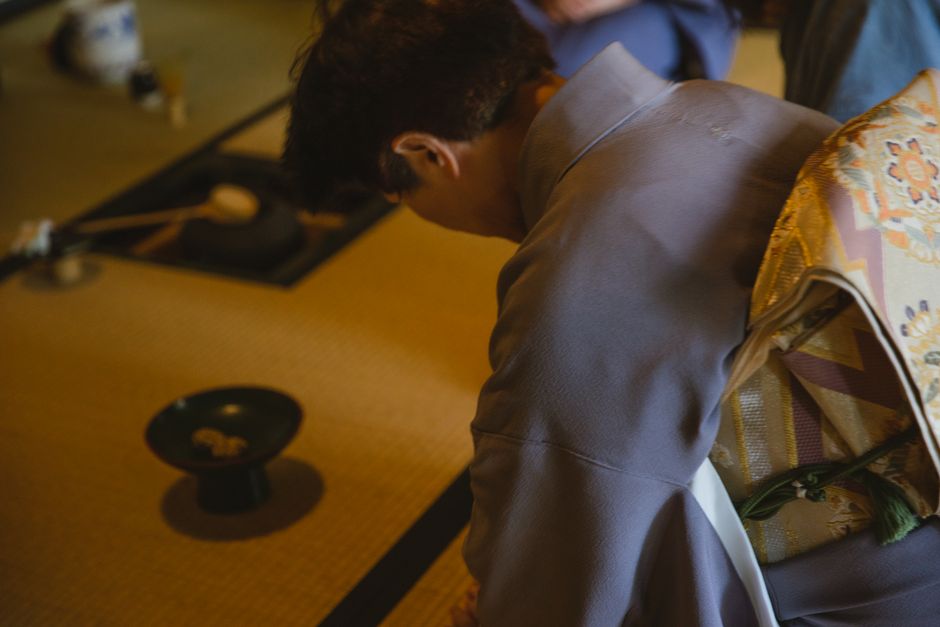
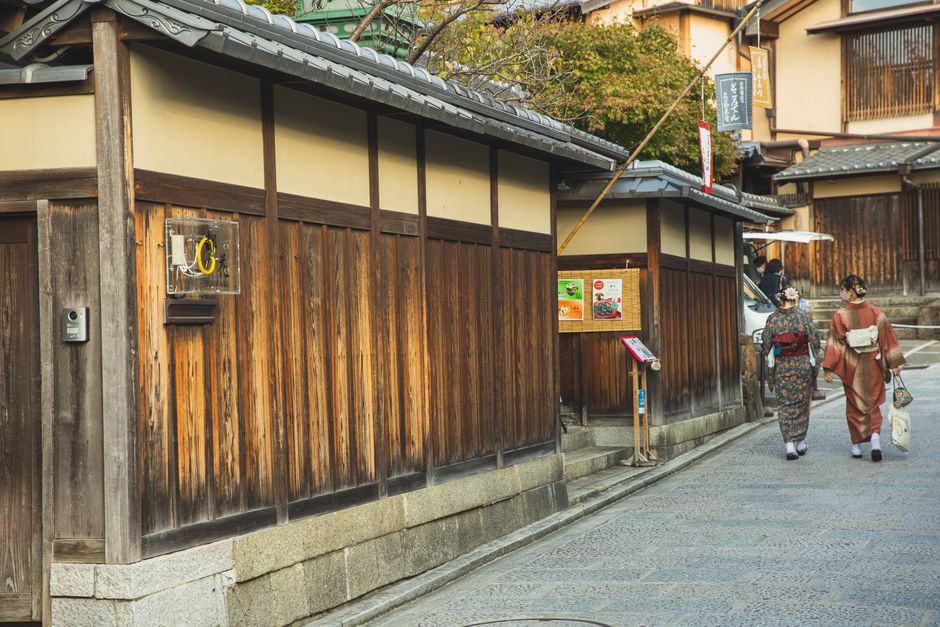
To extend your visit beyond the temples, you can combine it with a walk through the Gion district and its geishas or a tea ceremony in Kyoto.
Itineraries by neighbourhood
North-west: Kinkaku-ji and Ryōan-ji
This area brings together two very different visits. Kinkaku-ji attracts visitors with its golden pavilion and its reflection on the water. Ryōan-ji offers a more contemplative experience centred around its rock garden. The two sites make a logical combination, but crowds can make getting around and taking photos less comfortable.
Allow separate time for each site: the first is best discovered by following the path around the pond, while the second invites you to spend a long time observing the garden’s composition. Do not plan too many other distant sites for the same day.
East Kyoto: Nanzen-ji, Eikan-dō and Ginkaku-ji
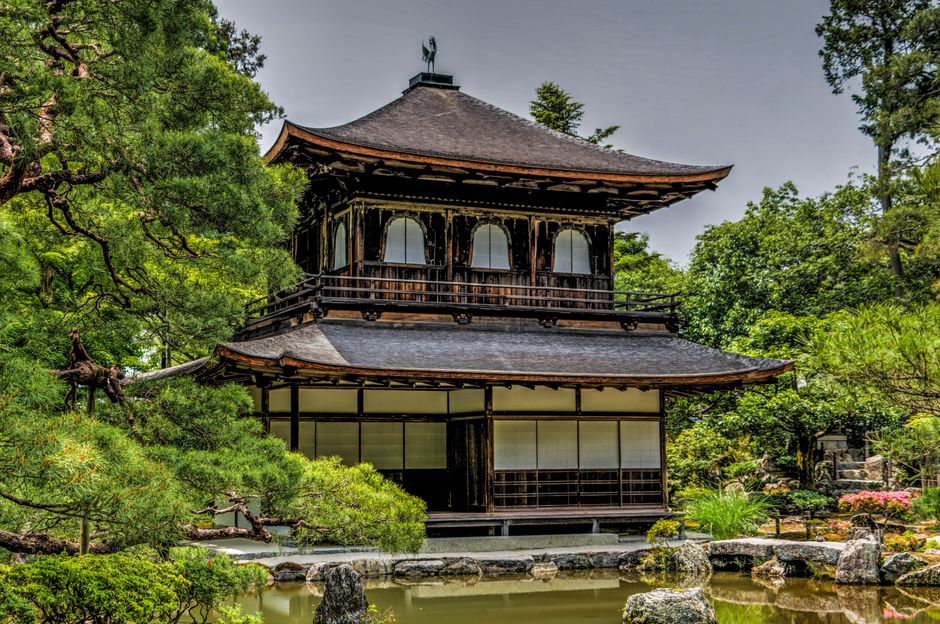
Eastern Kyoto is ideal for visitors who enjoy walking between temples, gardens and tree-lined paths. Nanzen-ji is particularly known for its brick aqueduct. Ginkaku-ji, often called the Silver Pavilion, is associated with a carefully designed garden and a landscaped walk. Eikan-dō becomes especially popular when the maple leaves change colour.
This route can be combined with a walk around the Higashiyama area. To limit fatigue, choose a few sites rather than trying to enter every temple you pass.
South Kyoto: Fushimi Inari, Tōfuku-ji and Tō-ji
Fushimi Inari is known for its thousands of red torii gates climbing Mount Inari. Your visit can be a short one around the first gates, or longer if you continue along the mountain trails. The effort and time required vary depending on where you decide to turn back.
Tōfuku-ji complements this discovery with its gardens and Tsūtenkyō Bridge. Tō-ji, near Kyoto Station, offers another perspective with its pagoda. The south is therefore well suited to an itinerary combining a walk, gardens and architecture.
Prices, opening hours and booking
Access conditions vary depending on the temple, the season and the areas visited. The existing information indicates admission prices ranging from free to 600 yen for the sites presented. Some places are open all day, while others have specific opening hours. Check the information displayed by the temple before setting off, especially if you arrive early or late in the afternoon.
| Location | Access indicated | Key feature |
|---|
| Kiyomizu-dera | Free according to the information provided | Terrace and views over Kyoto |
| Fushimi Inari | Free, access indicated as continuous | Torii gates and Mount Inari trails |
| Kinkaku-ji | 500 yen | Golden Pavilion and pond |
| Ryōan-ji | 600 yen | Rock garden |
| Ginkaku-ji | 500 yen | Garden and Silver Pavilion |
The price of a guided visit, booking and access conditions depend on the organiser and the temple. If you choose a guided activity, check exactly what is included, the meeting point and the language offered. For a different activity during your stay, the Nintendo Museum in Kyoto also requires you to check the booking arrangements in advance.
Which season is best for visiting Kyoto’s temples?
Each season changes the experience. In spring, cherry blossoms particularly enhance the surroundings of Maruyama, Tōfuku-ji and Kiyomizu-dera. In summer, the heat can make long walks more demanding; start early and plan breaks. In autumn, maple trees take centre stage, particularly at Tōfuku-ji, Eikan-dō and Nanzen-ji.
Winter offers a more pared-back atmosphere. When it snows, Kinkaku-ji changes dramatically in appearance, but snowy weather cannot be guaranteed. In any case, do not choose a temple solely for a seasonal photo: the weather, crowds and condition of the gardens can change the expected result.
Rules to follow at temples
Temples are religious sites, not just tourist attractions. Be discreet in the halls and gardens, respect barriers and follow signs concerning photography. Remove your shoes when requested and avoid eating or drinking in the relevant indoor areas.
- Speak quietly in buildings and prayer areas.
- Do not touch objects, sculptures or installations unless they are intended for this.
- Respect queues, directions of travel and restricted areas.
- Ask before taking photographs when no clear instructions are displayed.
- Dress and behave in a way that respects the religious nature of the site.
People with tattoos should check the rules specific to each establishment. Some may ask you to cover your tattoos, while others apply a different rule. If in doubt, speak directly to the temple staff.
Planning a day without overloading it
- Choose one main area and, at most, a few visits that fit together well.
- Check opening hours, prices and any possible closures the day before.
- Start with the busiest site or the one that involves the most walking.
- Allow extra time for transport, queues and breaks.
- Finish with a leisurely walk around the area rather than a distant monument.
Public transport can be convenient, but a short journey on the map may take longer depending on traffic and crowds. Compare the route suggested by your app with the temple’s official directions. If you are staying in Japan for longer, also consult the general information about Kyoto, Japan’s former capital, to place the city in its historical context.
Frequently asked questions
How many temples should you visit in Kyoto?
There is no ideal number. As Kyoto has around 1,600 Buddhist temples, you will benefit from selecting a few places that match your interests. Two or three carefully chosen visits in the same area often allow you to enjoy the gardens, architecture and atmosphere more than an overly long list.
Which temple should you visit first in Kyoto?
For a first visit, Kiyomizu-dera is suitable if you are looking for spectacular architecture and views over the city. Kinkaku-ji is better suited to those wanting to see an iconic pavilion, while Ryōan-ji will appeal to fans of Zen gardens. The best choice therefore depends on the area and your priorities.
Do you have to pay to enter Kyoto’s temples?
Some temples are free, while others charge an admission fee to access their gardens or buildings. The information provided indicates prices of up to 600 yen for several of the sites presented. Prices and accessible areas may change: check the official information before setting off.
Can you visit Kyoto’s temples with a tattoo?
The answer depends on each establishment and the area concerned. Some temples may ask you to cover a tattoo, while others are more tolerant of its presence. Check the signs at the entrance and ask staff if you are unsure, without entering an area subject to a restriction.
What is the difference between a temple and a shrine in Kyoto?
A temple is associated with Buddhism, while a shrine is associated with Shintō. Fushimi Inari, recognisable by its many red torii gates, is a Shintō shrine. The practices, architecture and symbols differ, although both types of site form part of the cultural heritage that visitors discover in Kyoto.