
Shirakawa-go: Visit the Gasshō-Zukuri Village
Discover Shirakawa-go, a UNESCO-listed Japanese village with gasshō houses, Alpine scenery and practical advice for planning your visit.
The Nintendo Museum can only be visited with a reservation, with a ticket linked to a date and time slot. Located in Uji, south of Kyoto, it can be reached by train using the Kintetsu and JR networks. To prepare your visit, start with Nintendo’s official ticketing service: places are allocated partly through a lottery, and submitting an application does not guarantee admission.
Built on the site of a former company factory, the museum traces Nintendo’s journey from playing cards to consoles that became entertainment landmarks. Historical collections sit alongside interactive experiences, while a café and shop complete the visit. This is a museum dedicated to the company, not an amusement park focused solely on Mario.
Your reservation determines how you organise the day: the journey from Kyoto, the time spent in the exhibitions and any walk in Uji. Entry prices, opening times and sales conditions must be checked with Nintendo before your trip. Information shown by an intermediary does not replace the operator’s information.
In brief

Nintendo Museum tickets can only be bought through the official platform designated by Nintendo. This matters because searches also show commercial pages offering Kyoto excursions and activities. Their appearance in search results does not mean that they are an authorised channel for selling admission.
The system includes an application for a lottery covering the dates offered. You must therefore distinguish between the application, its result and the completion of the purchase: a registered application is not a confirmed ticket. Follow the steps shown in your booking account rather than treating the first message you receive as final confirmation.
Start by identifying days that fit your stay in Kyoto. If your itinerary allows, keep some flexibility before fixing other activities: a popular visit is easier to fit into a changeable schedule than into a series of excursions that have already been paid for.
Then prepare the information requested for each participant and check the categories offered. For a family, do not automatically apply Japanese school terms to French year groups: use the criteria specified by the operator. A wrong selection may cause difficulties during purchase or at the entrance check.
After a successful result, follow the payment instructions and the deadline shown in your file. Also read the conditions for changes, cancellation and refunds before paying. Do not assume that a change of travel plans will allow you to move your admission freely.
For weekends, school holidays and busy tourist periods, monitor the opening of the official calendar rather than waiting until you arrive in Japan. The guide to the best time to travel to Japan helps place this step within your wider trip planning, but cannot predict museum availability.
If your application is unsuccessful, check any later purchase options directly with Nintendo. Their existence and terms depend on the sales calendar; they should not become the basis of an unchangeable itinerary. Also avoid relying on buying admission spontaneously in front of the building.
Be wary of offers promising guaranteed access without clearly explaining where the ticket comes from. A guided service, private excursion or transport service does not by itself prove that admission is included and valid. Nintendo’s stated rule for its sales channel should guide your decision.
Finally, make sure you can retrieve your booking while travelling, especially if you change phones or use a different mobile connection in Japan. Check how the ticket must be presented and which supporting documents may be required. Organise your day around confirmed admission, not around a simple application.
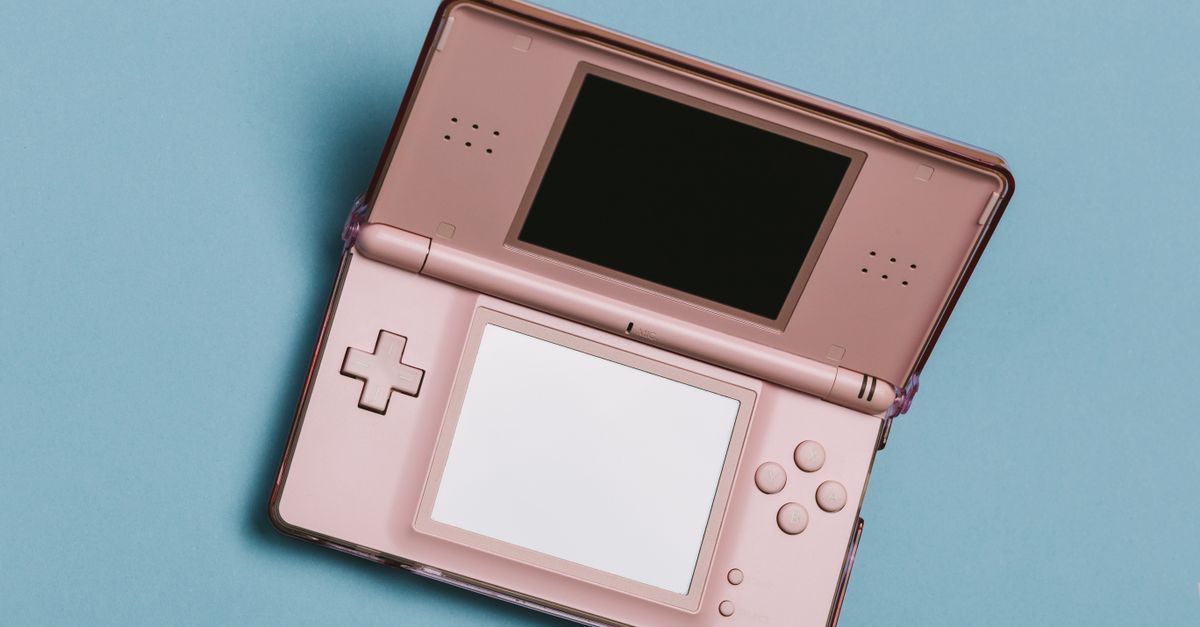
The price to use is the one displayed by Nintendo for your category at the time of purchase. Amounts reproduced in guides or commercial pages may correspond to an old price list or a different service. When planning your budget, always separate standard admission from services possibly added by an intermediary.
Price categories distinguish different audiences, particularly according to age or school level. Check their exact criteria before selecting participants, including a young child. Possible free admission does not necessarily mean that the child can be left out of the booking: only the ticketing instructions can determine this.
The cost of the outing is not limited to admission. Transport, a purchase at the café, shop purchases and paid workshops may be added. Separating these expenses helps you control the total without confusing what grants access to the building with optional spending on site.
| Expense | What to check | Who to check with |
|---|---|---|
| Admission | Applicable category and amount at payment | Nintendo Museum |
| Workshop | Supplement, registration and availability | Nintendo Museum |
| Transport | Route, ticket and coverage by any pass | Kintetsu or JR West |
| Café and shop | Displayed prices and access conditions | On-site establishments |
To convert your spending into euros, use the exchange rate applied by your payment method, including its fees. An indicative conversion found before departure does not guarantee the amount charged. A guide to travel costs in Japan can help you include this visit among your other trip expenses.
The shop deserves a separate allowance if you want to buy exclusive products. Their presence does not guarantee permanent stock or the availability of every item. Avoid booking a whole day solely for a particular object without checking the commercial information provided by the establishment.
Opening times must be checked in the official calendar for the selected day. Regular closures, public holidays and the end-of-year period may change how the museum operates. A general opening period shown by a search engine is not enough to plan a journey.
Also distinguish between the building being open and your authorisation to enter. A reserved time slot determines when you may arrive; it does not allow you to turn up freely at any time of day. If you expect to be late, check the applicable instructions rather than assuming that later entry will be accepted.
Activities and additional services may have their own restrictions. When you arrive, look for information about workshop registration, the café and the experiences that interest you. Admission during the day does not guarantee that every option will remain available until you leave.
Before paying, compare the proposed time slot with your actual journey and your priorities on site. A time compatible with the train may not work with a lunch booked elsewhere or an additional excursion. The right choice combines a correctly selected price with a genuinely achievable day.
Access to the Nintendo Museum involves taking a train and then walking. The museum is in Uji, in the Ogura district, not in central Kyoto. This distinction prevents you from choosing accommodation or booking a nearby activity on the assumption that the museum is close to the city centre’s main sights.
To find the museum in your map application, search for “Nintendo Museum Kyoto” and check that the result corresponds to Ogura-cho, Uji. Nintendo shops and other places associated with the company are different destinations. Save the arrival point before setting out rather than searching only for the brand name.
Ogura Station on the Kintetsu Kyoto Line is a convenient access point. From Kyoto, choose a route whose service actually stops at this station: depending on the service used, a change may be necessary. The line name alone is therefore not enough to confirm that a train will stop at the right place.
At Ogura, follow the east exit and then the pedestrian route to the building. Check services, times and fares with Kintetsu before travelling. It is best to prepare the complete route from your accommodation, as going to Kyoto Station first is not always the most direct option.
The other option is JR Ogura Station, served by the JR Nara Line. The north exit leads to the walking route towards the site. Again, check the stops served by your chosen service: some trains on the same line do not stop at every station.
Ogura and JR Ogura are separate stations. This matters on the return journey, especially if you have saved a route or bought a ticket for a particular network. Do not simply follow an instruction containing the name Ogura without checking the operator.
If you have a rail pass, check its area of validity and the companies included. A pass covering JR lines should not be assumed to be valid on Kintetsu without checking. Consult the guide to the Japan Rail Pass to understand this distinction before comparing routes.
The museum asks visitors to use public transport and excludes access by car, taxi, motorbike or bicycle. Do not therefore organise a drop-off at the entrance as an alternative to the train. For a mobility-related situation, ask the establishment directly about suitable arrangements.
Allow time for connections, finding your way through stations and the final walk, without assuming that arriving early will allow earlier entry. With a pushchair or reduced mobility, also check station facilities with the operators. The shortest route on a map is not always the most comfortable.
A guide to transport in Japan provides further information about networks and transport tickets. For this excursion, the key points are simple: choose the correct station, check the train stops and treat your admission slot as the main constraint. You can then organise the return around your plans in Uji.
Tip: set up a Japan eSIM before departure so your data works on arrival.
The Nintendo Museum tells a history of entertainment, not just a history of consoles. The hanafuda cards show that the company’s identity predates video games. This starting point gives meaning to the route through the museum: the formats change, but the search for new ways to play runs through the different periods.
The former factory setting reinforces this interpretation. You discover the products of a company in a place connected with its industrial activity, rather than in a setting designed solely around its characters. This aspect also appeals to visitors interested in design, everyday objects and the history of how things are used.
Hanafuda are Japanese cards whose imagery is based on plant and seasonal motifs. Their presence invites you to look at Nintendo beyond Mario or Zelda. To understand this continuity, consider the objects as proposals for play: each creates a relationship between rules, a physical format and a player.
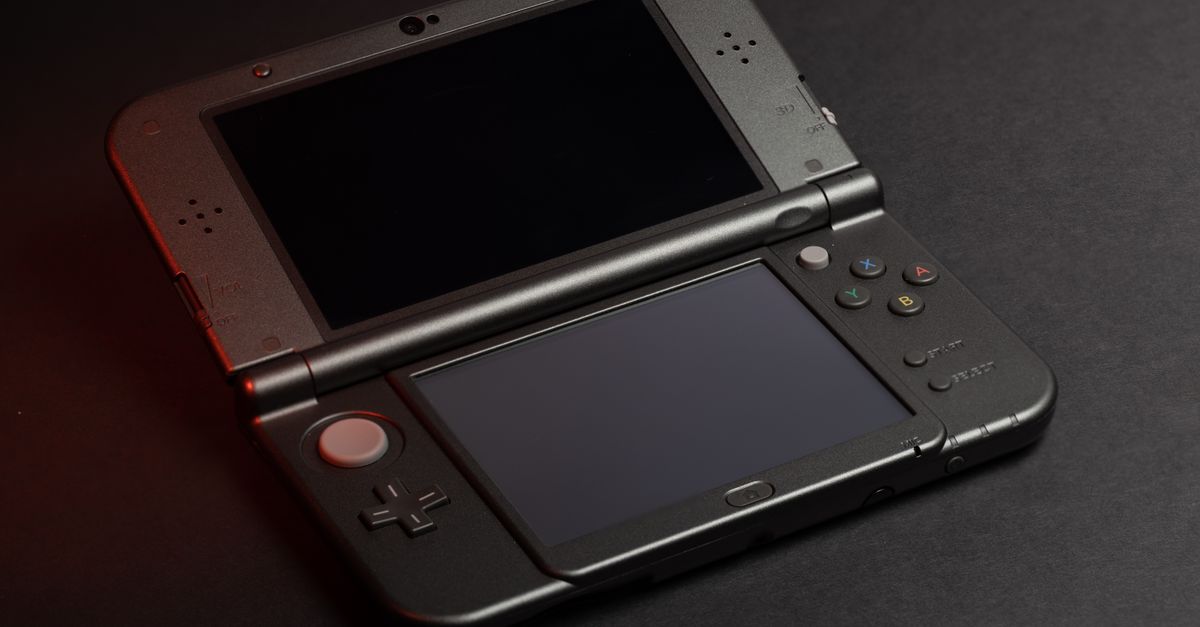
Classic consoles, including the Famicom, Game Boy and Super NES, then provide concrete points of comparison. Portable gaming involves different constraints from using a device in front of a television. The shape of the controls, the size of the hardware and the way it is handled therefore become part of the interpretation.
Product names also provide a cultural reference point. A European visitor may recognise a family of machines without having encountered them in their Japanese presentation. Rather than looking only for personal memories, compare the names, objects and references on display.
This approach avoids reducing the visit to a succession of old consoles. A familiar machine may still reveal a design choice you had never noticed. Placing different products together helps identify what changed: the handling, the context of use or the importance given to shared play.
Interactive areas allow visitors to move from observation to experimentation. Their access nevertheless depends on the instructions and capacity on site. An admission ticket should not be interpreted as a promise of immediate and unlimited access to every activity.
When you arrive, identify the experiences that matter most to you and ask how they work. This helps you balance waiting, exploring the collections and taking a break. It is especially useful if members of your group have different priorities, such as historical objects for some and hands-on activities for others.
With children, alternate observation with participatory activities. Characters and the shapes of the machines provide accessible reference points, while the historical content requires more attention. Comparing a handheld console with a home model offers a concrete subject without requiring prior knowledge of the brand.
Workshops are a separate activity, with registration arrangements and a supplement to check on site with the establishment. The café and shop are reserved for ticket holders, so do not plan to enter them independently. The appeal of the visit lies in alternating history, observation and practice, rather than trying to see everything quickly.
Keep part of the day flexible around your reserved time slot. Time spent in the collections depends on your interest in the objects, waiting times for activities and whether you want to join a workshop. A standard duration poorly reflects visits that can be very different.
In particular, avoid scheduling a non-changeable booking immediately afterwards that would force you to leave hurriedly. Reading the displays, taking a break at the café or visiting the shop can easily alter the pace. It is better to choose a flexible complementary activity than to turn every stage into a time constraint.
Before leaving, check the rules concerning bags, prohibited items and storage facilities. The possible presence of lockers does not guarantee that they can accommodate a large suitcase. If you are changing accommodation that day, consider an authorised luggage-drop solution rather than carrying all your bags to the entrance.
Keep together the items needed for the entrance check: your booking, the way you must present your ticket and any documents required by the sales conditions. Also check the rules concerning whether the registered details correspond to the people present. Do not rely on an improvised change at reception to correct an avoidable error.
With young children, ask about pushchairs and useful services before travelling. For accessibility needs, contact the museum directly for information suited to your situation. General information about an exhibition cannot determine the conditions for taking part in every experience.
Permission to take photographs depends on the areas and installations. A photograph permitted in one zone does not mean that the same rules apply throughout the visit. Read the signs and follow staff instructions, particularly regarding flash, accessories and video recording.
This also prevents you from bringing unnecessarily bulky equipment. If your aim is to document the day, distinguish between memories you may photograph and things to observe without a camera. Respect other visitors and do not block an installation to obtain an image.
Uji allows you to extend the outing around Byodo-in Temple, the river and establishments devoted to tea. However, the museum area and the main tourist sites do not form one immediately adjoining route. Plan the connection before deciding the order of your visits.
Depending on your time slot, place the walk before or after the exhibition and check the opening times of the temple and shops with their operators. Do not assume that a tea house will remain open until you leave. If tasting tea matters to your plans, treat it as an activity to organise, not as a guaranteed possibility.
A guide to Japanese tea provides useful context for distinguishing tea drinks from tea-flavoured pastries. This creates a contrast with the industrial and playful world discovered at the museum without requiring another major excursion. A coherent day combines a confirmed time slot, a well-planned journey and a visit to Uji suited to the time actually available.
Yes. Admission is linked to a date and time slot, with a system that includes a lottery. Consult Nintendo’s official ticketing service and check that your purchase is confirmed before organising your journey.
Check prices and the calendar directly with the Nintendo Museum. The amount depends on the selected category, and opening conditions must be checked for your exact date.
You can travel to Ogura on the Kintetsu Kyoto Line or JR Ogura on the JR Nara Line, then continue on foot. These are separate stations, so choose according to your starting point, the service and your transport ticket.
The shop and café are reserved for ticket holders. Do not plan a journey solely to enter them without confirmed admission.
Yes, particularly because of the visual objects, characters and interactive experiences. The historical sections require more attention; adapt the pace and check the conditions for taking part in activities on site.
To book tours and activities in Kyoto ahead, see the options on Klook.
Updated on 29/10/2026
Scroll to see more articles →