Why visit Okinawa rather than another region of Japan
Okinawa stands out clearly from other regions of Japan thanks to its distinct cultural identity, inherited from the Ryūkyū Kingdom, which remained independent until 1879. Unlike mainland Japan, the archipelago enjoys a subtropical climate, with mild temperatures all year round and seawater temperatures ranging from 22 to 29°C, making swimming possible even in winter.
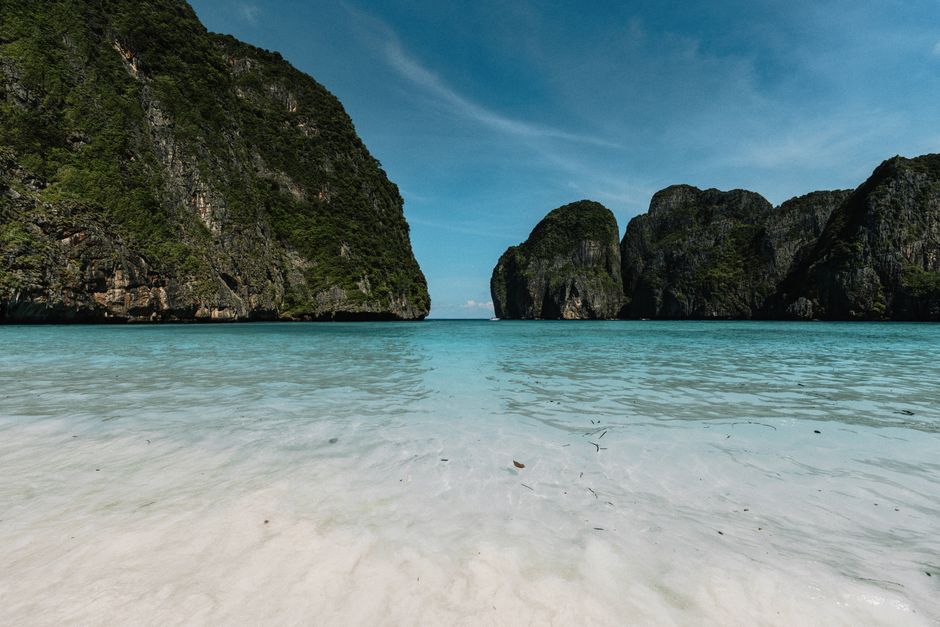
Okinawa’s beaches rival those of South-East Asia, but in a safe, well-organised Japanese setting. The coral reef, the world’s northernmost, is home to exceptional marine biodiversity accessible to beginners and experienced divers alike. Local culture stands out through its language, music, crafts and cuisine, offering an experience radically different from Tokyo or Kyoto.
Finally, Okinawa is recognised as a Blue Zone by National Geographic: its residents are among the longest-living populations on the planet, a phenomenon attributed to their diet, rich in vegetables, tofu and fish, as well as their active lifestyle.
What to see and do in Naha, Okinawa’s capital
Naha attracts most visitors arriving in Okinawa. The city of 320,000 inhabitants offers a blend of modernity and historical heritage, with sites accessible on foot or by monorail.
Shuri Castle and its surroundings
Shuri Castle overlooks the city from a hill and is the archipelago’s main historical site. Although destroyed by fire in 2019, the site has been partially rebuilt and remains open to visitors. Shureimon Gate, dating from 1539 and designated a national treasure, has been fully restored. The castle museum traces the history of the Ryūkyū Kingdom and the palace’s various reconstructions.
The Yuinchi royal gardens and the surrounding sacred sites help visitors understand the castle’s central role in the kingdom’s political, administrative and religious life. The Gusuku (fortified castles) of Ryūkyū have been listed as a UNESCO World Heritage Site since 2000.
Kokusai-dori district and Makishi Market
Kokusai-dori, Naha’s main shopping street, stretches for 1.6 km and is lined with souvenir shops, restaurants and bars. Makishi Public Market, set back from the avenue, offers fresh fish, tropical fruit, local vegetables and culinary specialities. It is the ideal place to discover typical Okinawan ingredients such as goya (bitter melon), umibudō (sea grapes) and fermented tofu.
Naminoue Beach and shrine
Naminoue Beach is Naha’s only urban beach, located close to the city centre. Although modest in size, it provides convenient access to the sea and a view of Naminoue Shrine, perched on a cliff. Founded in the 14th century, the shrine was a place of prayer for sailors heading out to sea.
To get online as soon as you land, a Japan eSIM can be installed before you leave, with no need to look for a local SIM card.
Okinawa’s best beaches and islands
Okinawa has dozens of beaches and small islands accessible by ferry or plane. Each island has its own character, from family-friendly beaches to remote diving spots.
| Island / Beach | Distance from Naha | Getting there | Highlights |
|---|
| Araha Beach (Chatan) | 20 km | Bus or car | Sunsets, American atmosphere |
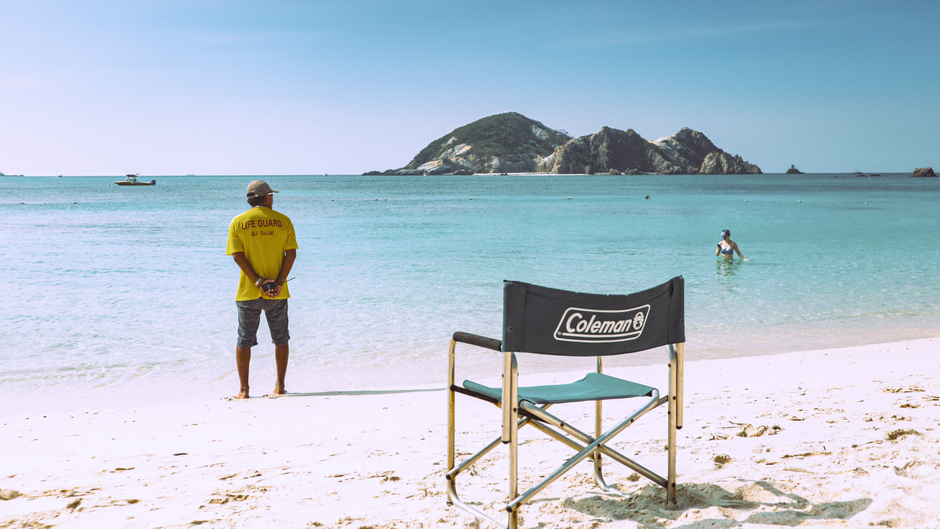
| Kerama Islands | 30 km | Ferry (50 min) | Crystal-clear waters, diving, snorkelling |
| Miyako Island | 300 km | Plane (50 min) | Beaches ranked among the most beautiful in Asia |
| Ishigaki Island | 400 km | Plane (1h) | Base for exploring the Yaeyama Islands |
| Iriomote Island | 450 km | Ferry from Ishigaki | Jungle, mangroves, endemic wild cat |
| Yonaguni Island | 500 km | Plane from Ishigaki | Mysterious underwater ruins |
The Kerama Islands are the easiest to reach for a day trip from Naha. Miyako and Ishigaki deserve several days to make the most of their beaches and water activities. The more remote islands, such as Iriomote and Yonaguni, are suited to travellers seeking solitude and unspoilt nature.
Diving and water activities in Okinawa
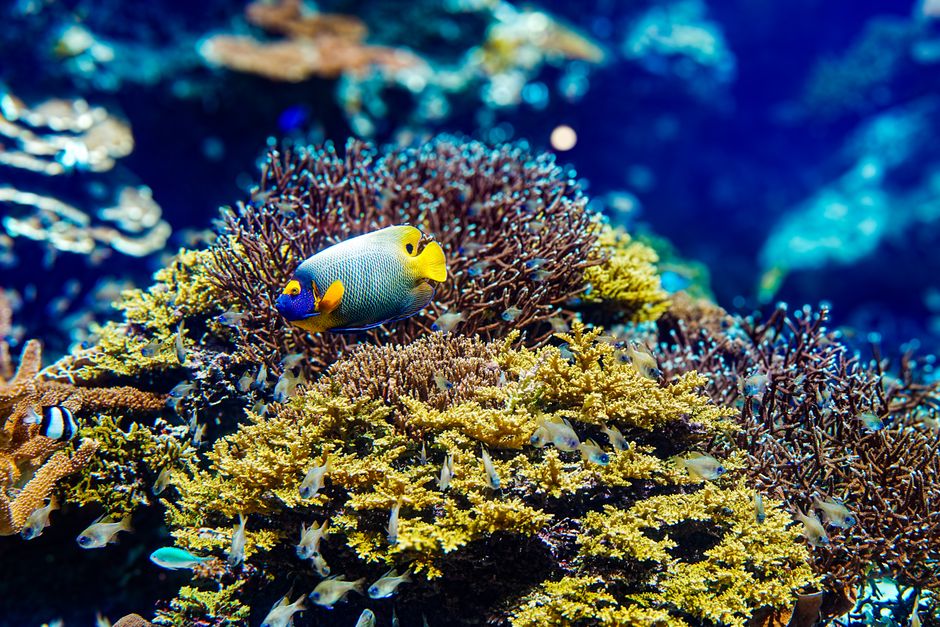
Okinawa is one of Japan’s best diving destinations, with more than 100 PADI-certified sites spread across the archipelago. Warm waters make diving possible in every season, although visibility is at its best between April and November.
Major diving sites
The Kerama Islands offer spectacular drop-offs, underwater caves and abundant marine life, including turtles, manta rays and whale sharks. The Miyako Strait is renowned for its caves and natural arches, while Ishigaki’s reefs are suitable for beginners, with shallow, colourful seabeds.
Yonaguni attracts experienced divers with its underwater ruins: rock structures with geometric shapes whose natural or artificial origins remain the subject of debate. The currents are strong and the water is deep, making the site suitable only for experienced divers.
Snorkelling and other activities
Snorkelling is accessible to everyone and requires no certification. Coral reefs are often found at shallow depths of between 5 and 10 metres, allowing visitors to observe tropical fish, corals and anemones from the surface. Araha Beach, Sunayama Beach (Miyako) and Kondoi Beach (Taketomi) are particularly suitable.
Sea kayaking through the mangroves of Hija, north of Okinawa-hontō, offers an immersive experience in a unique ecosystem. Humpback whale watching takes place from January to March, when these mammals migrate to Okinawa’s warm waters to breed. Surfing is possible all year round on the northern coast of Okinawa-hontō, with waves suitable for beginners and experienced surfers alike.
Okinawan specialities and cuisine
Okinawan cuisine differs considerably from mainland Japanese cuisine, both in its ingredients and in its Chinese and South-East Asian influences. Local dishes favour pork, tofu, vegetables and seaweed, with less rice consumed than in the rest of Japan.
Signature dishes
Goya champuru, a stir-fry of bitter melon, tofu, pork and eggs, is the archipelago’s most representative dish. Rich in vitamins, bitter melon is renowned for its antioxidant properties. Okinawa soba differs from traditional Japanese soba: made with wheat flour rather than buckwheat, it is served in a pork broth with pieces of meat and spring onions.
Rafute, pork slowly braised in soy sauce, sugar and awamori, melts in the mouth and is often served with rice. Sata andagi, sweet doughnuts of Chinese influence, are enjoyed for dessert or as a snack. Umibudō, seaweed grown as small, crunchy green beads, is eaten raw with a vinegar-based sauce.
Local drinks
Awamori, a spirit made from long-fermented rice, is one of Japan's oldest alcoholic traditions. Unlike sake, awamori uses Thai rice and a unique fermentation process that gives it a stronger flavour. Bottles aged for three years or more, known as kusu, are particularly sought after.
Jasmine tea (sanpin-cha) is traditionally served with meals, while shikuwasa juice, made from a small local citrus fruit similar to a lime, is drunk chilled or diluted. To discover more Japanese specialities, see our guides to bento and matcha.
When to visit Okinawa: climate and seasons
Okinawa has a subtropical climate with mild temperatures all year round, but some periods are more favourable than others for making the most of the archipelago.
| Period | Temperature | Advantages | Disadvantages |
|---|
| January–March | 15-20°C | Whale watching, fewer tourists | Cool water (22°C), sometimes overcast |
| April–June | 22-28°C | Ideal weather, warm sea, flowering season | Rainy season in June |
| July–September | 28-32°C | Peak beach season, festivals | Frequent typhoons, large crowds, humid heat |
| October–December | 20-26°C | Pleasant climate, sea still warm, fewer people | Risk of typhoons in October |
The best times to visit Okinawa are between May–June and October–November, when the weather is pleasant and the risk of typhoons is limited. The typhoon season runs from July to October, peaking in August–September. These storms can disrupt transport and lead to tourist sites being closed for several days.
Winter remains mild compared with the rest of Japan, but swimming may feel cool for some people. It is, however, the best time to see humpback whales, which migrate through Okinawan waters from January to March.
Getting around the Okinawa archipelago
Okinawa stretches over several hundred kilometres and consists of dozens of islands, requiring suitable planning depending on which islands you visit.
In Naha and Okinawa-hontō
Naha has a monorail (Yui Rail) linking the airport with the city centre and Shuri Castle. The bus network covers the entire main island, but services are infrequent and journeys are long. Hiring a car remains the most practical way to explore Okinawa-hontō, particularly to reach the northern beaches, historical sites and traditional villages.
An international driving permit is required to hire a car in Japan. The roads are well maintained and driving is on the left. Car hire agencies can be found at the airport and in central Naha.
Between the islands
The Kerama Islands can be reached by ferry from Tomari Port in Naha, with daily crossings taking around 50 minutes. Miyako and Ishigaki require a domestic flight from Naha Airport, with several services per day. The Yaeyama Islands (Iriomote, Taketomi, Yonaguni) are served by ferry from Ishigaki.
Ferry timetables vary according to the season and weather conditions. Booking in advance is recommended, particularly during Japanese holiday periods (Golden Week in early May, Obon in mid-August and New Year).
Budget and the cost of a stay in Okinawa
The cost of living in Okinawa is slightly lower than in Tokyo or Osaka, but it remains a tourist destination with prices varying according to the season and type of accommodation.
Accommodation
Capsule hotels, very common elsewhere in Japan, are rare in Okinawa. Accommodation options include chain hotels, family-run guesthouses (minshuku), guest houses and seaside resorts. Prices range from 3,000 to 8,000 yen per night for budget accommodation, and from 10,000 to 30,000 yen for a mid-range to upmarket hotel. To discover a budget alternative elsewhere in Japan, see our guide to the capsule hotel.
Food and activities
A meal at a local restaurant costs between 800 and 1,500 yen, while a meal at a tourist restaurant or resort can cost between 3,000 and 5,000 yen. Konbini (convenience stores open 24 hours a day) offer affordable meals costing between 300 and 800 yen.
Diving activities cost between 8,000 and 15,000 yen for an outing with two dives, including equipment. Snorkelling is often free on public beaches if you have your own equipment, or costs between 1,000 and 3,000 yen to hire equipment. Boat trips (whale watching, snorkelling excursions) cost between 5,000 and 10,000 yen per person.
Living in Okinawa: moving abroad and working
Okinawa is home to an expatriate community, particularly because of the presence of US military bases and the growth of tourism. Employment opportunities are concentrated in English teaching, tourism, hospitality and services for the US bases.
The cost of living in Okinawa is lower than in Tokyo or Osaka, with more affordable rents and a quality of life valued for its climate and natural surroundings. To work in Japan, you need a work visa, or a Working Holiday visa for people under 30 who wish to discover the country while working. The average salary in Japan varies by region and sector, with Okinawa sitting slightly below the national average.
The population of Okinawa is ageing, as it is across the rest of Japan, but the archipelago retains a more favourable demographic trend thanks to a higher birth rate. The local culture, more relaxed than on the mainland, attracts many Japanese people seeking an alternative lifestyle.
Precautions and practical advice for Okinawa
Okinawa is a safe destination, but taking a few precautions will help you make the most of your stay.
Natural hazards
Typhoons are the main natural hazard between July and October. These tropical storms can lead to flight and ferry cancellations, as well as the temporary closure of tourist sites. Taking out travel insurance covering cancellations and following local weather alerts is recommended.
Okinawa is located in a seismic zone, although it is less active than mainland Japan. To understand the risks and what to do, see our guide to earthquakes in Japan.
Marine life and swimming
Some beaches are home to venomous jellyfish (habu kurage) between June and October. Protective nets are installed at supervised beaches. In the event of a sting, rinse with seawater and seek medical attention promptly. Sea urchins are common on rocky seabeds: wear water shoes when snorkelling.
Currents can be strong at some beaches, particularly along exposed coastlines. Follow the swimming flags and do not venture far from the shore if you are not a confident swimmer.
Language and communication
English is more widely spoken in Okinawa than in the rest of Japan, particularly in Naha and tourist areas, because of the American presence. Nevertheless, learning a few Japanese words makes communication easier, especially in remote villages and on the smaller islands.
Frequently asked questions
What is the best time to visit Okinawa?
The best periods are May–June and October–November, when the weather is pleasant and the risk of typhoons is limited. Avoid July–September, the typhoon season, when tourist numbers are high and the heat is humid. Winter (January–March) remains mild but the water is cool; on the other hand, it is the ideal time for whale watching, particularly humpback whales.
How do you get to Okinawa from Tokyo or Osaka?
Flying is the most convenient option: from Tokyo Haneda, allow 2h30 for the flight to Naha Airport, and 2h15 from Osaka Kansai. Several airlines offer daily flights. There are also long-distance ferries from Tokyo (24h) and Osaka (16h), but the journeys are long and less comfortable.
Can you visit Okinawa without a car?
In Naha, the monorail and buses are sufficient for visiting the city centre and Shuri Castle. To explore the rest of Okinawa-hontō (northern beaches and traditional villages), a car is still the most convenient option. Buses are available, but services are infrequent. On smaller islands such as Taketomi, cycling or walking is sufficient.
Which Okinawan islands should you choose for your first trip?
For a first trip, focus on Naha and Okinawa-hontō (Shuri Castle and Araha beaches), then visit the Kerama Islands, which are accessible by ferry from Naha, for diving and snorkelling. If you have more time, Miyako and Ishigaki offer exceptional beaches and a more peaceful atmosphere, and can be reached by domestic flight.
Do you need a particular level of diving experience to dive in Okinawa?
Okinawa is suitable for divers of all levels. Beginners will find shallow, calm sites around the Kerama Islands and Ishigaki, with the opportunity to obtain PADI certifications locally. Experienced divers will enjoy the drop-offs, caves and currents around Miyako and Yonaguni. Snorkelling is accessible to everyone without certification.
What is the difference between Okinawa and the rest of Japan?
Okinawa has a distinct cultural identity, inherited from the independent Ryūkyū Kingdom, which lasted until 1879. The language, music, architecture and cuisine differ from those of mainland Japan. The subtropical climate makes year-round swimming possible, unlike in the rest of the country. The inhabitants are renowned for their exceptional longevity and relaxed way of life.