To get online as soon as you land, a Japan eSIM can be installed before you leave, with no need to look for a local SIM card.
Which site should you choose for snorkelling in Okinawa?
Not all snorkelling areas suit the same needs. Some are accessible from the shore, while others require a boat or more extensive organisation. Visibility and marine life also vary depending on the season, sea conditions and local rules.
| Area | What are you looking to do? | Things to check |
|---|
| Kerama Islands | Explore several seabeds from Naha | Ferry times, weather, return within the day |
| Cape Maeda | Accessible outing with coastal sites and caves | Crowds, beach access, swimming conditions |
| Ishigaki | Combine snorkelling with an island stay | Local transport, boat departures, authorised areas |
The Kerama Islands
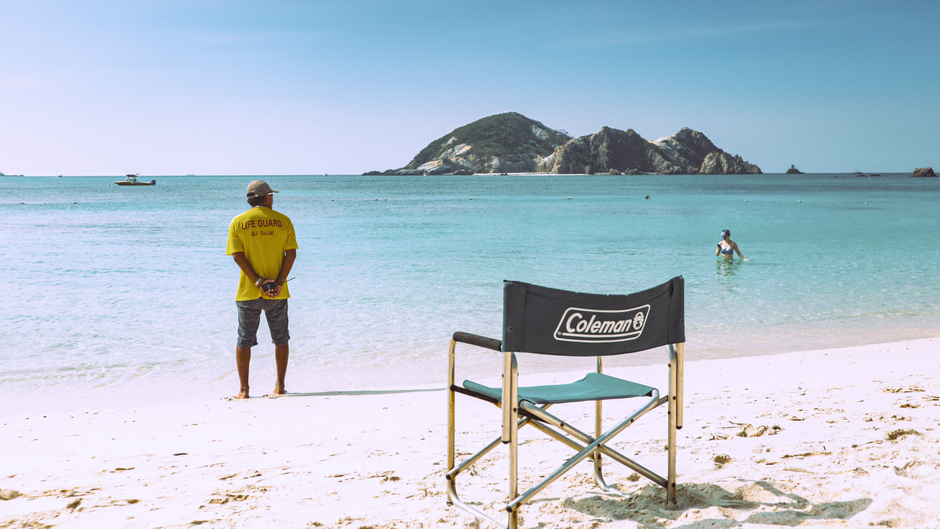
Aka-jima, Zamami-jima and Tokashiki-jima are suitable for travellers who want to spend a day exploring the seabed. From Naha, a boat trip simplifies the logistics and lets you reach several areas. An organised excursion may be preferable if you do not want to manage the schedules, equipment and transport separately.
Cape Maeda
Cape Maeda is suitable for an outing from the coast or a guided activity. The site can be very popular: before setting off, find out about access conditions, any restrictions and the state of the sea. Do not enter a cave or rocky area if the swell makes progress uncertain.
Ishigaki and the surrounding area
Ishigaki is better suited to a stay that is not limited to an excursion from Naha. Some bays are protected or subject to specific rules: an area may be pleasant to observe without allowing swimming with fins and snorkel. Follow the instructions of providers and local authorities rather than relying on an outdated description.
Independent snorkelling or a guided excursion?
Independent snorkelling offers greater flexibility, but you must arrange the equipment, find a safe access point and monitor the weather yourself. It is suitable for people who are comfortable in the water and able to abandon their swim if conditions change.
A guided excursion makes organisation easier and provides support on site. The provider can indicate authorised areas, supply equipment and adapt the outing to the group’s level. Before booking, check exactly what is included:
- transport to the departure point or meeting on site;
- mask, snorkel, fins and wetsuit depending on the season;
- food or a drink, when advertised;
- guidance in French or another language;
- cancellation conditions in the event of rough seas or a typhoon;
- insurance and assistance in the event of an incident.
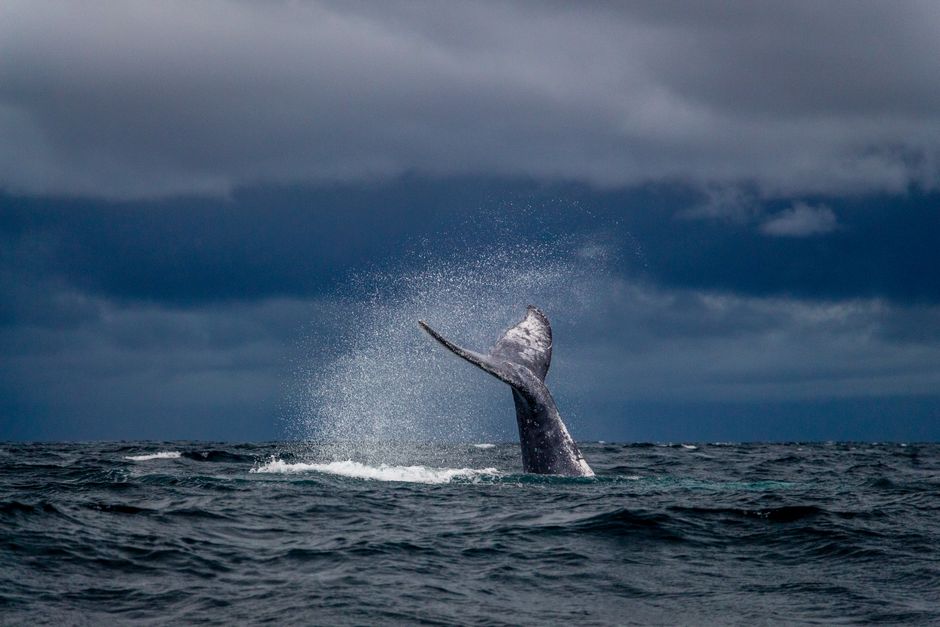
If you are looking for another maritime activity, you can also consult the guide to whale watching in Okinawa. The seasons and locations are not the same: avoid building your itinerary entirely around an activity whose conditions depend on the sea.
How should you prepare for your trip?
Before setting off
Book well in advance if you are travelling during busy periods. Ask the operator whether the activity is suitable for beginners, children or people who are not strong swimmers. A flotation vest may be necessary or recommended: tell the guide your level before boarding.
Bring sun protection that complies with the site’s rules, a towel, dry clothes and a waterproof bag. It is best to leave valuables at your accommodation. If you wear glasses, ask what options are available with the mask.
On site
- Listen to the briefing and identify the boundaries of the swimming area.
- Check the fit of your mask and flotation vest before moving away from the shore.
- Stay with your group and keep a reasonable distance from the boat.
- Do not touch the corals or animals, and do not take anything from the seabed.
- Return immediately if you are tired, cold or having difficulty with the current.
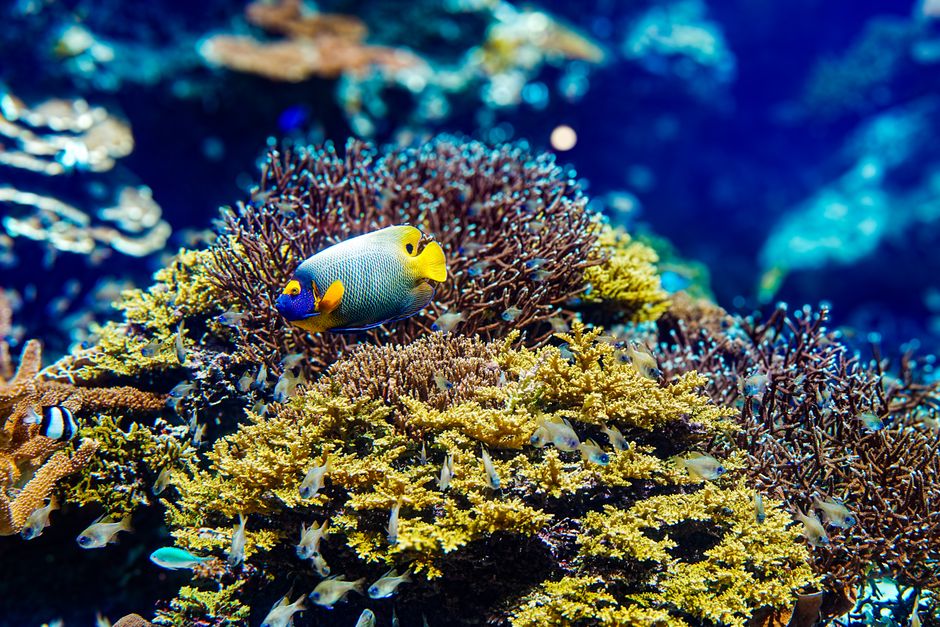
Corals are fragile, and fin kicks can damage them. Also avoid standing on them, even when the sea appears calm. Protecting the environment depends as much on independent visitors as on guided excursions.
Which season should you choose in Okinawa?
The period from May to October is generally the most popular for enjoying warm water and good swimming conditions. However, July and August are busy. June or September can offer an interesting compromise, with no guarantee against changes in the weather.
From November to April, the sea may still be suitable for swimming, but the water is cooler and some trips run less frequently. The typhoon season can lead to cancellations or changes to the itinerary. A flexible booking and a few free days in your schedule reduce the risk of missing your only opportunity to go out.
Safety and booking advice
Tropical seas should not be considered risk-free. Currents, swells, fatigue, sun and losing your bearings can make an apparently simple swim more difficult. Do not go alone in an unfamiliar area, and cancel the trip if you do not feel fit enough. If you have a medical problem or a health-related question, seek advice from a healthcare professional before the activity.
Keep the operator’s contact details, the address of the meeting point and the transport times. If you are travelling in Japan for a long time or taking part in several activities, also check your cover with this guide to health insurance in Japan. For a stay requiring entry formalities, also consult the guide to the visa for Japan.
Planning your itinerary around snorkelling
From Naha, the Kerama Islands can easily be incorporated into an itinerary focused on southern Okinawa, subject to maritime timetables. For Ishigaki, it is better to plan a dedicated stay to limit travel and keep a fallback option in case of bad weather. In all cases, plan a land-based activity for the same day: it can easily replace the trip if the boat is cancelled.
Frequently asked questions
Is Okinawa a good destination for snorkelling in Japan?
Yes, Okinawa is particularly suitable thanks to its coral reefs, subtropical climate and many areas accessible from the beach or by boat. The level of difficulty varies depending on the site. Beginners should choose a guided trip and a sheltered area rather than an isolated spot.
Can you snorkel in Okinawa if you are not a strong swimmer?
This depends on the operator and the site, but a minimum level of comfort in the water is still necessary. Ask for a flotation vest and mention your level before booking. Do not move away from the shore alone, and choose a guide who can keep an eye on the group.
Do you need to book a snorkelling trip in Okinawa?
Booking is not always essential for swimming independently, but it is recommended for a boat trip or during busy periods. It allows you to find out what equipment is provided, the meeting point, the guide’s language and the cancellation rules in the event of bad weather.
What should you do if the sea is rough on the day of the excursion?
The operator may cancel, postpone or alter the itinerary for safety reasons. Check the planned procedure in advance and keep an alternative programme in Naha or in your area of stay. Do not replace a cancelled trip with an improvised swim in an exposed area.
Can you see turtles while snorkelling in Okinawa?
Turtles visit certain areas of Okinawa, but sightings are never guaranteed. Their presence depends on the location, season, weather and luck. Keep your distance, do not chase them, and do not attempt to touch or feed them.