Choosing where to stay in Ishigaki
Ishigaki Island is divided into several accommodation areas depending on your priorities. The Kabira Bay area, in the north-west, is home to upmarket resorts overlooking the bay, which is considered one of the most beautiful in Japan. The airport area in the south is home to major international chains, convenient for late arrivals. The town centre and port offer moderately priced hotels, ideal for travelling to Taketomi or Iriomote by ferry.
The less busy west coast is home to intimate properties facing the sunset. The northern tip (Hirakubo) appeals to travellers seeking complete peace and quiet. Hiring a car is recommended whatever your base, as public transport is limited on the island.
Kabira Bay and its surroundings
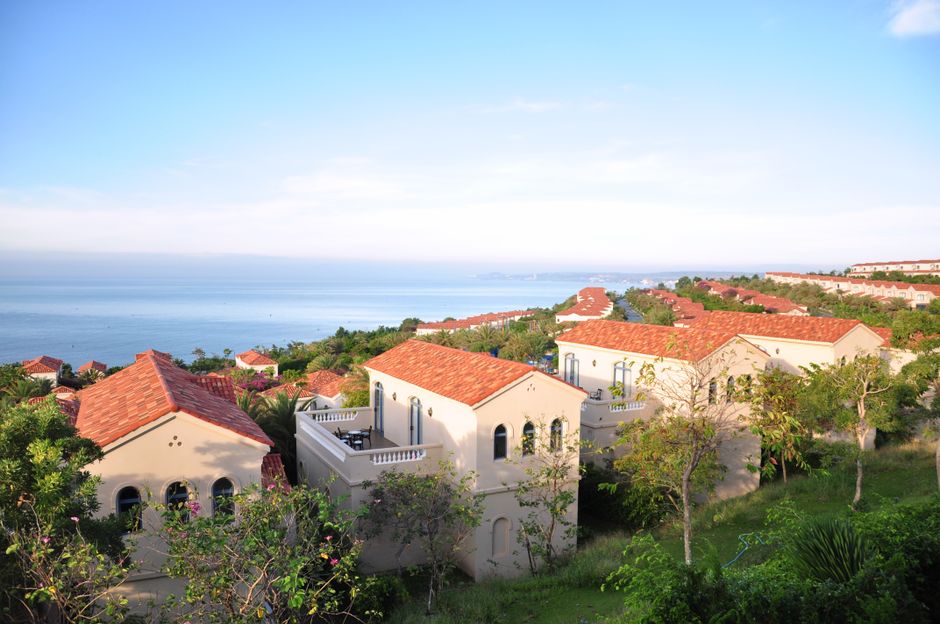
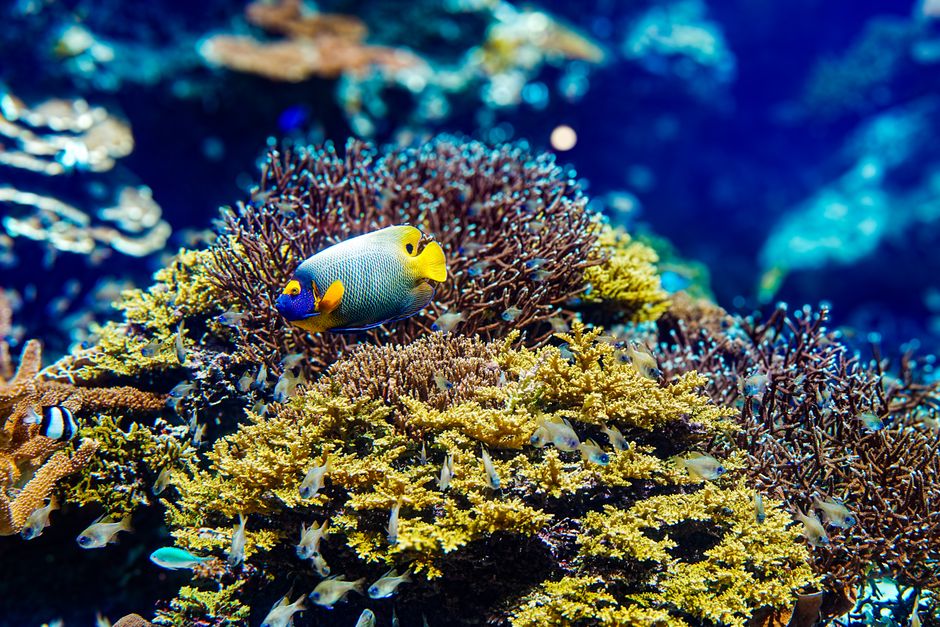
This sought-after area is home to upmarket resorts with private beaches. You have immediate access to glass-bottom boat trips and snorkelling sites. Prices reflect the quality of the facilities and the exceptional views over the turquoise bay.
Ishigaki city centre and port
The port area offers practical hotels close to the ferry terminals. You can reach local restaurants, convenience stores and rental agencies on foot. This area suits budget-conscious travellers and those taking consecutive trips to the neighbouring islands.
Types of accommodation available
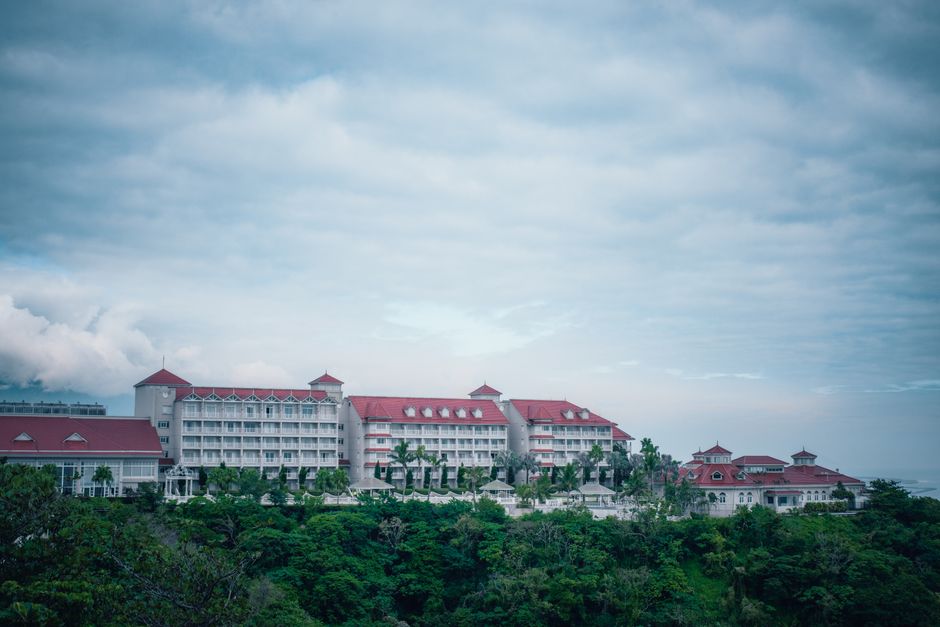
Ishigaki offers a range of accommodation to suit every type of traveller. International resorts offer all-inclusive packages, swimming pools and kids’ clubs. Boutique hotels focus on Ryukyu architecture and personalised service. Family-run guesthouses (minshuku) offer a chance to experience local life at a lower cost.
| Type of accommodation | Price range (per night) | Main advantages |
|---|
| Beach resort | 25,000 to 60,000 yen | Direct beach access, water activities, on-site restaurants | |
| City-centre hotel | 10,000 to 18,000 yen | Close to the ferry, shops and moderate prices |
| Family-run guesthouse | 5,000 to 9,000 yen | Local atmosphere, traditional breakfasts |
| Boutique hotel | 15,000 to 30,000 yen | Beautiful design, attentive service, authentic charm |
Upscale establishments often include a buffet breakfast featuring Okinawan specialities. Some resorts offer dinner packages, which are convenient for families. City hotels rarely include meals, leaving you free to explore Yaeyama’s restaurants.
Booking according to the season
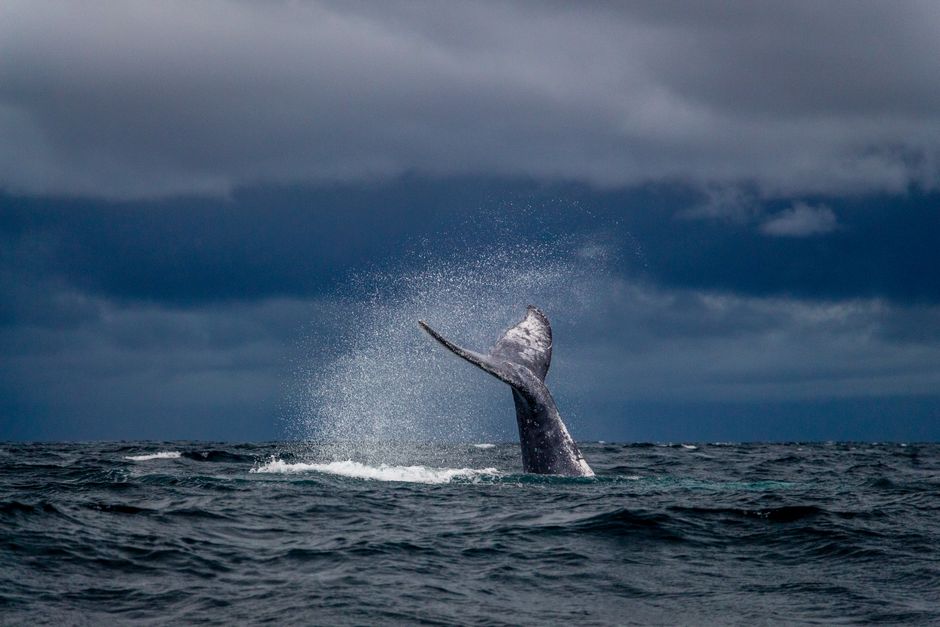
The period from January to March is the manta ray-watching season, the most popular time of year. Accommodation is fully booked several months in advance and charges its highest rates. Book at least three months before your arrival if you are targeting this period.
Summer (July to September) also brings high prices despite the risk of typhoons. Establishments generally offer flexible cancellation conditions during this season. Spring (April–May) and autumn (October–November) offer the best compromise: mild weather, moderate visitor numbers and mid-range prices.
Peak season and booking in advance
The Japanese New Year holidays (late December to early January), Golden Week (late April to early May) and the summer holidays (mid-July to late August) fill accommodation to capacity. Prices sometimes double compared with quieter periods. Book six months ahead for these dates if you want a comfortable choice of accommodation.
Low season and good deals
June (the rainy season) and December (outside the holidays) offer the lowest prices. You can take advantage of attractive promotions, particularly at resorts looking to fill their rooms. The weather generally remains acceptable for swimming and land-based activities.
Getting to and around the island from your hotel
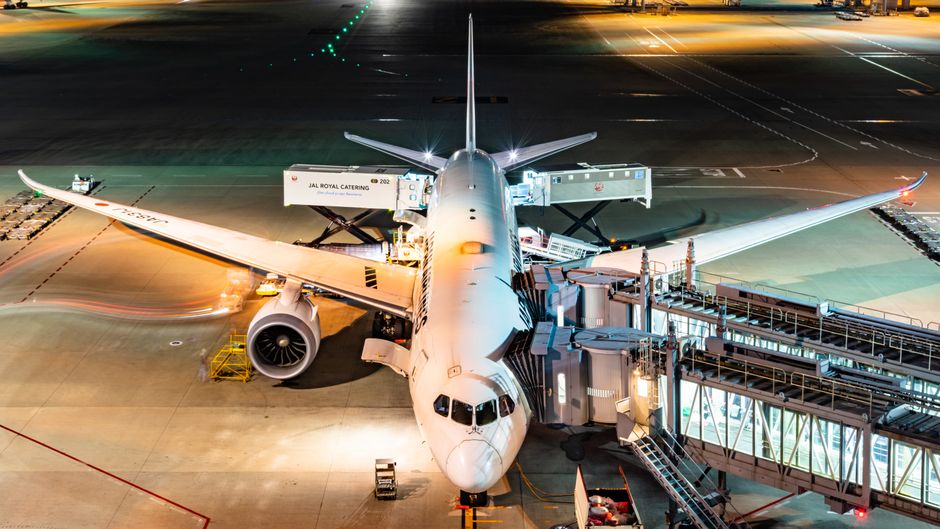
Ishigaki Airport is located in the south of the island, twenty minutes from the city centre and forty minutes from Kabira Bay. Resorts often offer free or paid airport shuttles. City hotels rely on taxis (around 1,500 yen to the centre) or local buses (540 yen).
Hiring a car is essential for exploring the island independently. International and local agencies operate at the airport and in the city. Expect to pay 5,000 to 8,000 yen per day depending on the model. Some hotels include free parking, while others charge 500 to 1,000 yen per night.
To reach neighbouring islands such as Taketomi or Iriomote, ferries depart from Ishigaki Port. If you are staying in Kabira Bay, allow thirty minutes by road to reach the terminal. City-centre hotels allow you to reach the port on foot or in five minutes by taxi. To plan your travel around Okinawa, see our guide to accommodation in Naoshima, another of Japan’s artistic islands.
Facilities and services to check
Before booking, check which facilities are available. Beach resorts generally have swimming pools, several restaurants, dive centres and kids’ clubs. Boutique hotels focus on spacious rooms with private terraces and sea views. Budget establishments often offer only the essentials: a clean room, air conditioning and a simple breakfast.
Wi-Fi is standard in almost all accommodation. International resorts offer English-speaking staff, which is a valuable advantage if you do not speak Japanese. Small family-run establishments mainly communicate in Japanese, sometimes with the help of translation apps.
Dining options
Half-board or full-board packages simplify arrangements, especially at isolated resorts. Buffets showcase local produce: Ishigaki beef, freshly caught fish, bitter vegetables (goya) and tropical fruit. City hotels without a restaurant will point you towards the area’s izakaya and Yaeyama restaurants.
Activities and excursions
Many establishments organise or book snorkelling trips, excursions to Iriomote and boat tours in Kabira Bay. Some resorts have their own dive centre with certified instructors. Ask when booking to benefit from preferential rates or packages including accommodation and activities.
Compare accommodation options in other cities
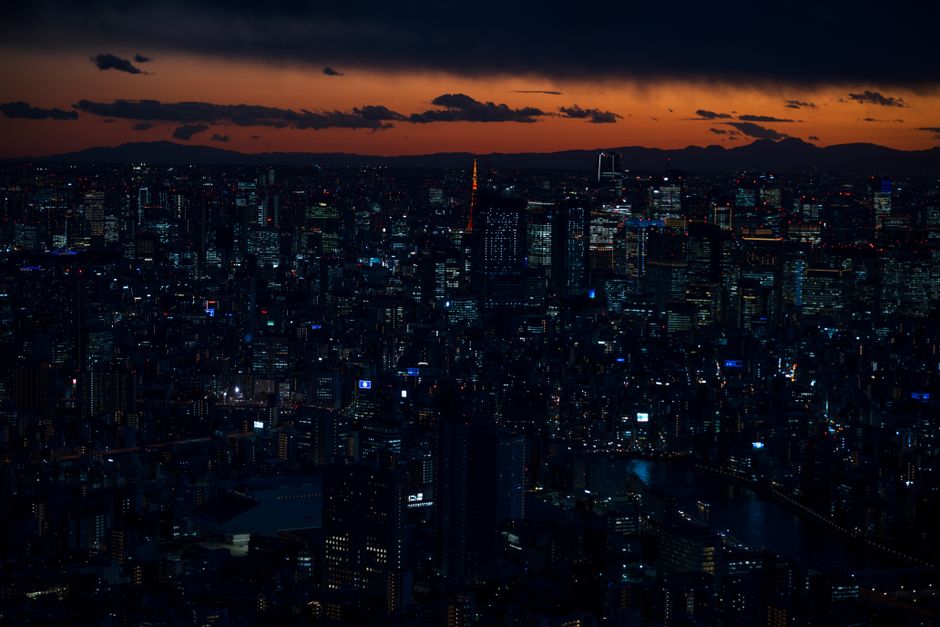
If you are continuing your trip around Japan, other destinations deserve particular attention when choosing accommodation. In Kyoto, the Gion district offers traditional ryokan in the heart of the geisha district. For a lively urban stay, explore hotels in Shinjuku, Tokyo, a district that is lively day and night. Culture and temple enthusiasts will appreciate accommodation in Nara, a historic city accessible on a day trip from Kyoto or Osaka.
Frequently asked questions
When is the best time to book a hotel in Ishigaki?
Book three to six months in advance for the manta ray season (January–March) and Japanese holidays (New Year, Golden Week and summer). During quieter periods (June and December outside the holidays), you can book a few weeks ahead and benefit from attractive prices.
Do you need to hire a car if you are staying in Ishigaki?
Hiring a car is highly recommended for exploring the island independently. Public transport remains limited and taxis are expensive for repeated journeys. Only travellers staying at a resort or focusing on ferry excursions can manage without one.
Do Ishigaki hotels offer airport shuttles?
Upscale resorts generally offer free or paid shuttles by reservation. City-centre hotels rely on taxis (around 1,500 yen) or local buses (540 yen). Check this service when booking to avoid any unpleasant surprises.
Can you find accommodation for less than 10,000 yen per night?
Yes, family-run guesthouses (minshuku) and some hostels offer rooms for between 5,000 and 9,000 yen. Comfort is basic but clean, with a traditional breakfast sometimes included. These options are mainly located in the city centre or residential neighbourhoods.
Which area should you choose for easy access to snorkelling sites?
Kabira Bay and the west coast offer the best access to snorkelling and manta ray-watching sites. Resorts in this area often offer organised trips or partnerships with local diving centres to make booking easier.
Do Ishigaki hotels accept international bank cards?
Resorts and chain hotels accept Visa, Mastercard and American Express cards. Small guesthouses may require payment in cash. Make sure you have enough yen, as ATMs are still rare outside the city centre and airport.