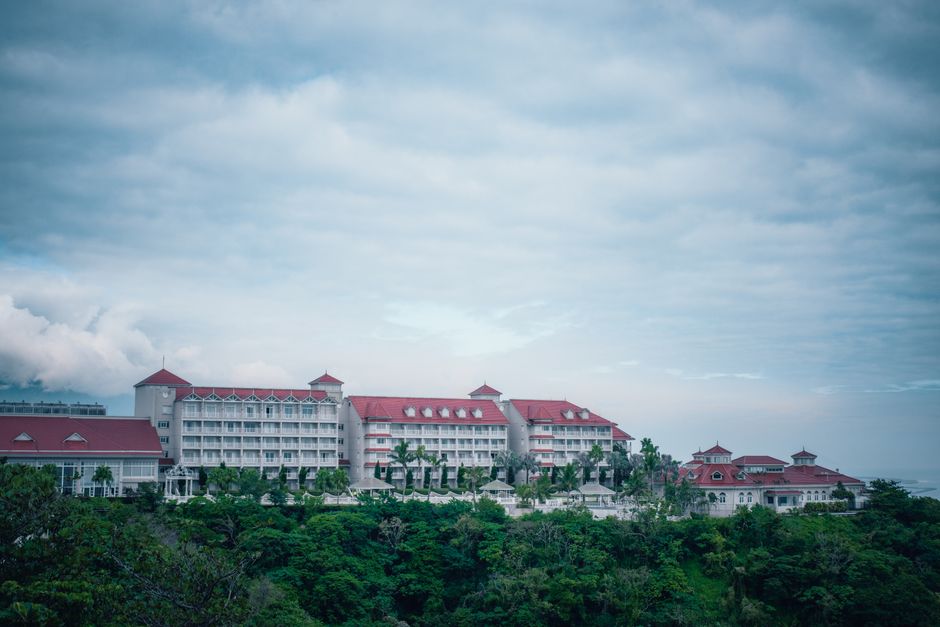

Why stay in Okinawa
Okinawa is tropical, seaside Japan:
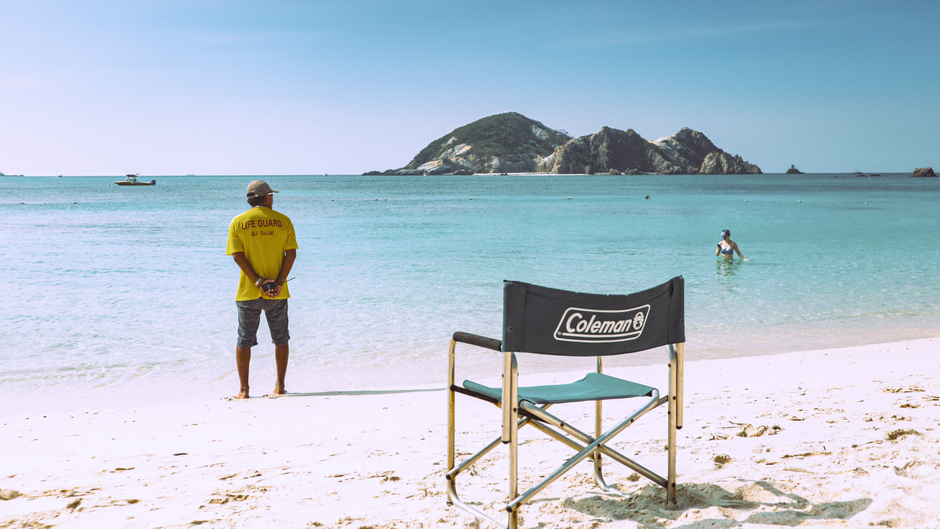
- East China Sea – White-sand beaches, turquoise water at 25C in winter.
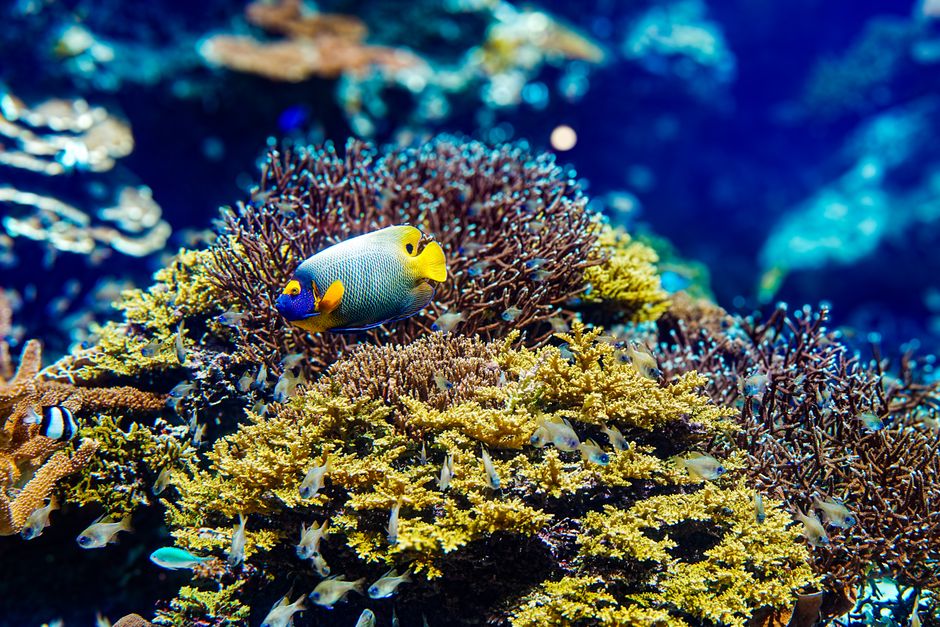
- Diving and snorkelling – Coral reefs, turtles and reef sharks.
- Ryukyu culture – Architecture and cuisine (Okinawa soba, taco rice).
- Naha – Capital, Shuri Castle (UNESCO), Kokusai-dori.
- Proximity – Mihama and Chatan with US military bases.
See Okinawa and snorkelling.
Luxury resorts in Okinawa
A few 5-star resorts:
- Hilton Okinawa Miyako Island Resort – 329-room resort with an infinity pool and diving. From 50,000 yen.
- Hyatt Regency Seragaki Island Okinawa – Private island connected by a bridge, 343 rooms and a private beach. From 45,000 yen.
- ANA InterContinental Manza Beach Resort (Onna) – Legendary resort with a Rilakkuma spa. From 32,000 yen.
- Ritz-Carlton Okinawa – 97 rooms, luxurious design with sea views. From 75,000 yen.
Compare actual prices on Booking Okinawa Resort.
Hotels in Naha (the capital)
Naha is a convenient base for exploring the south:
- Hotel Nikko Naha City Premier – Modern hotel 5 minutes from Kokusai-dori. From 18,000 yen.
- Daiwa Roynet Hotel Naha Kokusai-dori – Well-located business hotel. From 12,000 yen.
- Hyatt Regency Naha Okinawa – Business hotel, 15 minutes on foot from Kokusai-dori. From 22,000 yen.
- JR Kyushu Hotel Blossom Naha – Design hotel, from 14,000 yen.
Hotels by budget
Okinawa has options for every budget:
- Budget (4,500–8,000 yen / 28–50 EUR) – Hostels and guesthouses.
- Mid-range (10,000–18,000 yen / 60–115 EUR) – Hotels in Naha and Onna.
- Upscale (20,000–32,000 yen / 125–200 EUR) – Resorts in central Okinawa.
- Luxury (40,000+ yen / 250+ EUR) – Hyatt, ANA InterContinental, Hilton, Ritz-Carlton.
How to get to Okinawa
Flying is the only practical option:
- From Tokyo Haneda – 2h45 direct.
- From Osaka KIX – 2h15 direct.
- From Fukuoka – 1h45 direct.
- Airports: Naha (OKA), Miyako (MMY), Naha for the south.
For flights to Okinawa: Skyscanner Naha or flight guide.
Things to do and restaurants in Okinawa
Top experiences:
- Churaumi Aquarium (Motobu) – One of the largest aquariums in the world.
- Snorkelling in the Kerama Islands – Turquoise waters, turtles and coral.
- Ryukyu cuisine – Okinawa soba, taco rice, rafute, goya champuru.
- Shuri Castle – Rebuilt castle (destroyed by fire in 2019).
Book at the best price in Okinawa
Tips:
- Best season – April–June and October–November: mild weather, few typhoons and moderate prices.
- Typhoons – July–September: hotels cancel easily.
- Miyako-jima – Often more expensive, and worth a trip of its own.
Compare actual prices on Booking Okinawa.
You may also like
Continue exploring Japan with our complementary guides.

Where to stay in Okinawa based on your travel style: comparing the islands and districts
Choose Naha if you do not have a car, Chatan for entertainment, Onna for resorts, Motobu to explore the north, the Kerama Islands for snorkelling, Ishigaki to discover the Yaeyama Islands and Miyako for its beaches. These destinations suit different types of trips: Okinawa refers to an island prefecture, not a single island that can be explored from any accommodation.
Your daily plans are therefore the first criterion. Accommodation close to restaurants makes an urban stay easier, while an isolated seaside address becomes restrictive if you want to visit several places without driving.
| Where to stay | Atmosphere | Who is it for? | Do you need a car? |
|---|---|---|---|
| Naha and Kokusai-dori | Urban, shopping and lively | First trip, cultural visits, controlled budget | No for the centre; useful for travelling outside the urban area |
| Chatan and American Village | Seaside, cosmopolitan, restaurants and nightlife | Families, couples, travellers who enjoy evenings on foot | Recommended for excursions |
| Onna and the west coast | Resorts, beaches and relaxation | Beach holiday, families, looking for comfort | Recommended, unless you plan to spend most of your time at the resort |
| Motobu, near Churaumi | Peaceful, coastline and exploring the north | Families, independent travellers, landscape enthusiasts | Strongly recommended |
| Kerama Islands | Small villages, beaches and marine activities | Snorkelling, diving, a peaceful stay | Not always; depends on the village and transfers |
| Ishigaki | Southern port city, countryside and coastline elsewhere | Exploring Yaeyama, excursions and the sea | Optional in the city centre, recommended elsewhere |
| Miyako | Beaches, open landscapes and resorts | Beach holidays and exploring the islands linked by bridges | Strongly recommended |
Where to stay in Naha: Kokusai-dori or near the monorail?
Naha is the most convenient choice for exploring Okinawa without hiring a vehicle straight away. The Yui Rail monorail serves the airport and several useful parts of the city; prioritise accommodation that is genuinely within walking distance of a station, rather than simply described as being in the ‘city centre’.
Kokusai-dori is ideal if you want to go out for dinner, do some shopping and easily find a lively atmosphere in the evening. A street set back from the main road often offers a better night-time compromise, especially when the room overlooks a busy route.
The Kencho-mae, Miebashi and Makishi areas allow you to combine urban travel with walks. If you are setting off for the Kerama Islands, also check access to Tomari Port: being close to a station does not guarantee being close to the right ferry terminal.
The capital is a good base for discovering Tsuboya’s ceramics, the markets and the heritage of the Ryukyu Kingdom around Shuri. However, the Peace Memorial Park is in Itoman, in the south of the main island: it is not a central attraction that can be reached simply by monorail.
Naha is not the best base for a holiday devoted exclusively to beaches either. Naminoue offers a seaside break, but its urban surroundings are no substitute for those of Onna or a small island.
Where to stay in Chatan: American Village for evenings on foot
Chatan is better suited to those who want to combine seaside walks, restaurants and a lively atmosphere. Around American Village, you can plan your evenings without getting back in the car, which is a real advantage for families and couples alike.
However, check the accommodation’s exact location: a property advertised as being ‘in Chatan’ may be far from the area you want to visit. Sunabe, in particular, has a different character, focused on the seafront and water sports.
Buses make some journeys possible, but Chatan is not served by the monorail. If you plan to visit other areas regularly, hiring a car is more flexible; if you are staying in the neighbourhood, it may mainly mean the hassle of parking.
Between Naha and Chatan, first choose between convenient transport and a lively seaside atmosphere. For greater peace and quiet or direct access to the beach, then look at the west coast.
Where to stay on the main island: Onna, Yomitan or Motobu?
Book in Onna to enjoy a seaside resort, in Yomitan to combine the coast with traditional crafts, and in Motobu to visit the north without long return journeys. These areas complement one another, but their coastal landscapes should not obscure important differences in access, dining and pace.
Onna: the best area for a resort stay
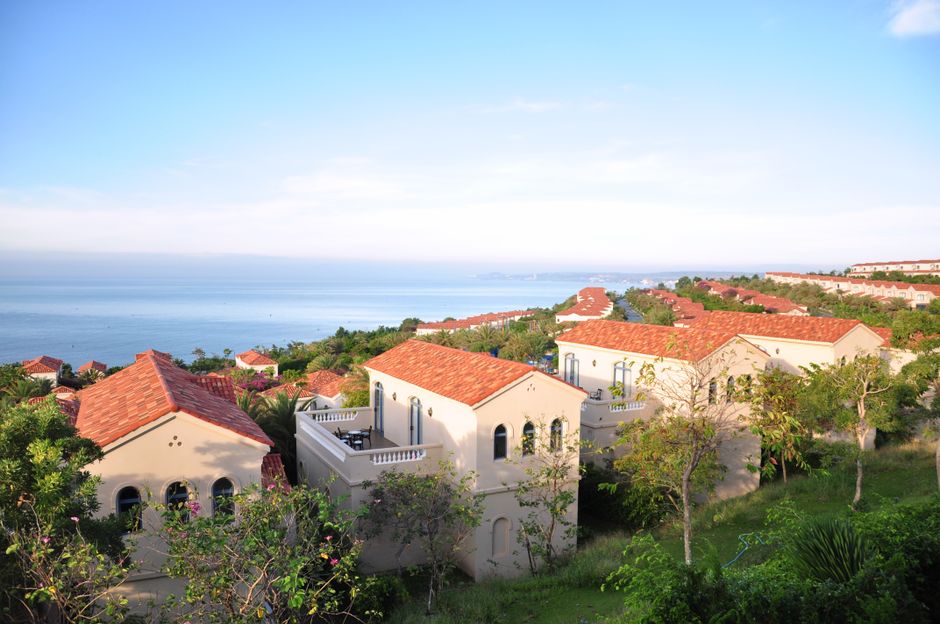
Onna is home to numerous sea-facing resorts. It is a sensible base if your days revolve around swimming, the resort’s facilities and a few outings to Manzamo or Maeda Cape.
The area stretches along the coast: it does not function like a compact centre where everything is within walking distance. Before booking, identify restaurants that can be reached without a vehicle and check whether getting to the beach requires crossing a road.
A sea view does not mean direct access to a swimmable beach. Some properties overlook a rocky shore, while others have a purpose-built access point whose opening hours and activities depend on the season or sea conditions.
For families, a suitable swimming pool, laundry facilities and a simple dining option may matter more than a large balcony. For couples, soundproofing, the room’s aspect and the peace and quiet of the communal areas deserve just as much attention as photographs of the coastline.
The selection dedicated to resorts to stay at in Okinawa explores this choice in greater depth. Above all, compare what is genuinely included and the opportunities to go out, as staying at an isolated resort can concentrate a large share of your spending on site.
Yomitan: an alternative for culture and coastline
Yomitan suits travellers who want to alternate between beaches and local heritage. Located on the west coast of the central part of the main island, the village should not be confused with the southern destinations around Itoman.
The workshops at Yachimun no Sato, the remains of Zakimi Castle and Cape Zanpa are compelling reasons to stay here. The benefit is being able to discover these places without reducing the area to a quick stop between two seaside resorts.
Accommodation is spread out, and walking between the various points of interest is no substitute for a means of transport. A house or flat with parking is well suited to an independent stay, provided you check the nearby shops and dining options.
Motobu and Churaumi: stay in the north to limit time on the road
Motobu is the most logical base when Churaumi Aquarium is one of your priorities. The aquarium is located on the Motobu Peninsula, not in central Nago: this distinction makes a significant difference to how you organise your days.
Staying nearby means you can visit the Ocean Expo Park without having to travel back to Naha that same evening. You can also explore the area around Bise and spend another day visiting the Nakijin ruins or the nearby coastal scenery.
Nago is still worth considering if you want more services and easy access to several parts of the north. However, an address in this city is not the same as accommodation near the aquarium entrance; always check the actual journey.
Around Motobu and Nakijin, villas and small guesthouses offer a more secluded setting. Plan ahead for meals, shopping and your arrival: some properties operate without a permanent reception, and there may be few restaurants within walking distance.
To explore the north, it is better to move your base than to make multiple journeys from the capital. This becomes even more important when you are considering changing islands.
To get online as soon as you land, a Japan eSIM can be installed before you leave, with no need to look for a local SIM card.
Which island should you choose for your stay in Okinawa: Kerama, Ishigaki or Miyako?
Choose the Kerama Islands for a marine escape from Naha, Ishigaki as a base for exploring the Yaeyama Islands, and Miyako if beaches are your priority. These three options cannot simply be added to an itinerary interchangeably: each involves its own transport links and deserves time on the island.
The Kerama Islands: staying near the beaches and diving sites
Tokashiki, Zamami and Aka are particularly suitable for snorkelling and diving enthusiasts. Staying overnight lets you enjoy the villages and coastline outside the pace of day trips.
Here, the right location depends on the port, the beach and the transfers available. In Tokashiki, for example, staying near the arrival port or on the Aharen side suits different itineraries: check how you will reach your accommodation with your luggage.
A car is not essential in every situation. Guesthouse shuttles, local buses or getting around on foot may be enough, but the hills and distances mean you should not assume that everything will be easily accessible.
Small properties sometimes offer meals, which can be useful when there are few restaurants or they close on certain days. Book this option in advance if your stay depends on it, rather than relying on a decision made on arrival.
Preferably allow two or three nights for this stop, as a suggested pace rather than a weather guarantee. Crossings may be cancelled when the sea becomes rough: avoid making an important flight depend on a boat taken the same day.
Ishigaki: the city centre or accommodation on the coast?
Ishigaki city centre is the best choice for restaurants and boat excursions to the neighbouring islands. Staying near the terminal makes departures to Taketomi or Iriomote easier in particular, subject to the services running and the conditions on the day.
The countryside and coastal areas are better suited to those seeking peace and quiet or a beachside property. In return, a car becomes much more useful for varying your outings and avoiding reliance on the meals available locally.
Kabira Bay is a major scenic attraction, but you cannot swim there. So do not choose accommodation in this area assuming you will be able to get into the water in front of the bay; check the permitted beaches and their access conditions.
To refine your choice of location, see the accommodation options in Ishigaki based on your itinerary. The decisive factor remains the frequency of excursions from the port compared with the days devoted to the island itself.
From Okinawa’s main island, plan to take a flight rather than a regular passenger ferry. A stay of four or five nights leaves more time for exploring than a quick visit, especially if you want to visit several of the Yaeyama Islands.
Miyako: prioritising the beach or Hirara’s services
Miyako is particularly well suited to a stay focused on swimming and coastal scenery. Accommodation near Yonaha Maehama suits a different type of trip from a property in Hirara, which is more convenient for shops and restaurants.
Bridges make it possible to explore Irabu and Ikema by road, among other places. A car therefore gives you real freedom, while a stay without driving requires you to choose your transfers, excursions and dining options carefully.
Also check the airport shown on your ticket: Miyako and Shimojishima are not in the same location. For a short stay, choosing a single island destination allows you to spend more time exploring and less time on transfers.
What type of accommodation should you choose in Okinawa: resort, business hotel or guesthouse?
Choose a resort for its facilities, a business hotel for simplicity, a minshuku for a small family-run property, and a guesthouse to keep costs under control. These categories mainly describe different ways of staying: they guarantee neither a particular room size nor the same level of service everywhere.
Okinawa resorts: check the facilities rather than the photos
A beach resort makes sense when you genuinely intend to use its facilities. If you head out every morning to explore another area, some of what you are paying for may go unused.
Check the season when the pools are open, whether they are heated and the conditions for accessing the leisure facilities. Water activities, meals and certain facilities may require a booking or an additional charge.
If you are travelling with children, check the exact sleeping arrangements. A stated family capacity may include sharing an existing bed, with no additional bed provided; breakfast rules may also vary depending on the child’s age.
A secluded property can be perfect for a relaxing stay. You simply need to accept that getting around and arranging meals requires more planning than in a city centre, even when an airport shuttle is available.
Business hotels: a practical option in Naha
A business hotel suits those who mainly want a functional room in a convenient location. This option is particularly suitable for a city stop, a late arrival or a night before a flight.
Rooms are often compact: check their floor area, bed width and the space available to open your suitcases. Two separate beds may be more comfortable than a small double bed, depending on the category booked.
A laundry room, luggage storage and extended reception hours may be more useful than elaborate decor. Nevertheless, check each service: the marketing name alone does not guarantee that reception is accessible throughout the night.
Minshuku and guesthouses: understanding what is shared
A minshuku is a small, often family-run guesthouse, whose operation may sometimes require you to follow specific hours. Rooms may have tatami and futons, but this is not always the case; bathrooms may be private or shared.
When meals are available, booking them in advance allows the property to make arrangements. Also mention any dietary requirements before confirming, as a small kitchen may not necessarily be able to adapt its menu at the last minute.
A guesthouse may offer dormitories, private rooms or both. Compare the shared spaces, quiet hours, availability of lockers and check-in arrangements, especially if you want to rest before going out to sea.
For solo travel, these shared spaces make it easier to meet people without guaranteeing any particular atmosphere. For a couple seeking privacy, a private room with its own bathroom is a more reliable criterion than the word “guesthouse” alone.
Apartments and villas: useful for self-sufficient stays
A rental with a kitchen can be useful for several nights, particularly for families. Having a washing machine and a proper table makes everyday life easier, but a kitchenette equipped only with a microwave is no substitute for a full kitchen.
- Check the actual equipment: hob, utensils, fridge and linen provided.
- Check access arrangements: parking, stairs and key handover procedure.
- Read the fees and conditions: cleaning, cancellation and any additional services.
- Check what shops are nearby: staying in an isolated house means planning your shopping in advance.
The best accommodation is the one that makes your actual stay easier, not the one that advertises the most facilities. You then need to choose dates and an itinerary that work with its location.
How many nights should you book in Okinawa and how should you organise your travel?
Plan on a single base for a short stay, two areas for a week on the main island, and more time if you add a remote island. The right length of stay depends above all on the number of transfers: each change takes up part of the day for packing, travelling and settling in.
Distributing your nights without changing address too often
For three or four nights, stay in Naha if you are prioritising urban sightseeing without driving, or in Onna if your aim is a beach holiday. Adding a distant destination within this timeframe quickly reduces the time available on site.
For around a week on the main island, spending a few nights in the capital followed by a stay on the west coast or in Motobu is a coherent arrangement. There is no need to change accommodation every day: group your visits by area instead.
With around ten nights, combining the main island with Ishigaki or Miyako becomes more comfortable, provided you limit intermediate stops. If Okinawa is part of a ten-day itinerary in Japan, include domestic flights in your schedule rather than treating transfer days as beach days.
Best season in Okinawa: take rainfall and typhoons into account
Late spring and autumn can offer a good compromise, but no period guarantees calm seas and clear skies. The rainy season generally occurs between May and June, with variations from year to year and between islands.
Summer is hot and humid, making it suitable for beach activities when conditions allow. Typhoons can disrupt flights, crossings and water-based excursions, particularly in summer and early autumn.
Winter is more suitable for sightseeing than for a holiday focused solely on swimming. The wind can make the seaside feel cool, and outdoor pools are not all open or heated.
Before booking, check the official calendars of the facilities that are influencing your choice. For a sea excursion, then check the forecast and the operator’s notices: bright skies do not necessarily mean that the sea allows an outing.
Monorail, cars and ferries: book in the right order
The monorail is useful in Naha, but does not serve Onna, Chatan or the north. Intercity buses and some shuttles make it possible to reach several tourist areas; their usefulness nevertheless depends on the stops, frequency and last departure.
To explore the main island freely, book a car for the days when you will genuinely need one. You can keep your urban stay car-free, then collect the car when you leave the capital.
French driving licence holders should in particular check the requirements concerning the official Japanese translation and the original documents that must be presented. Check the applicable rules with the official organisations and the rental company before paying for a non-refundable booking.
For the Kerama Islands, check the port, type of boat, check-in deadline and transfers on arrival. For Ishigaki and Miyako, arrange the air connections first; local ferries do not form a network linking all the prefecture’s major destinations indiscriminately.
Booking tips: secure the crucial stages
Book small island guesthouses and family rooms early during popular periods. Golden Week, Japanese summer holidays and long weekends can reduce the choice of both accommodation and vehicles.
Compare the overall cost rather than just the nightly rate: parking, meals, cleaning and transport can affect how worthwhile a property is. Also read the cancellation terms in case of bad weather, as a transport disruption does not automatically make all bookings refundable.
Allow some leeway before an important flight when returning from a small island, and check the official websites for the timetables corresponding to your dates. A well-placed booking should remain convenient even when your plans change.
Frequently asked questions about accommodation in Okinawa
Where to stay in Okinawa without a car?
Naha, near a monorail station and restaurants, is the simplest choice. Ishigaki centre can also be suitable for excursions from the port. In the Kerama Islands, check the shuttle services and the distance between your accommodation, the village and the beach.
Which area should you choose in Okinawa with children?
Chatan makes meals and getting around on foot easier. Onna is ideal for enjoying a resort and its facilities, while Motobu reduces travel time to Churaumi Aquarium. Check the sleeping arrangements, laundry facilities and conditions for using the pools.
Should you choose Ishigaki or Miyako for the beaches?
Miyako is particularly suitable for a beach-focused stay and islands connected by bridges. Ishigaki offers more boat excursions in the Yaeyama Islands. In both cases, a car makes it easier to explore beyond the urban centre.
Can you visit all of Okinawa from Naha?
Naha allows you to visit the capital and organise some excursions, but return trips to the north become inconvenient. Ishigaki and Miyako require a flight from the main island: plan a separate stop rather than a day trip.
What should you check before booking during typhoon season?
Read the cancellation terms for your accommodation, transport and activities, as well as your insurance cover. Avoid booking a ferry and an important flight back-to-back without allowing extra time. Follow the official information provided by transport operators and local instructions.