
Why stay near Hakata Station
Hakata is a convenient and lively hub:
- Shinkansen hub - Northern limit of the Kyushu Shinkansen (towards Kumamoto and Kagoshima).
- Hakata Dontaku - Major festival in early May, right in the city centre.
- Renovated central station - Hakata Station was completely redeveloped in 2011.
- Transport - JR Hakata, Subway Kuko Line, Nishitetsu.
- Getting out of the city - Quick JR connection to Fukuoka Airport (5 min).
See also Fukuoka.
Best hotels in Hakata
A few recommended establishments:
- With The Style Fukuoka (Hakata-ku) - Designer boutique hotel, spa and fusion restaurant. From 30 000 yen.
- JR Kyushu Hotel Blossom Hakata Premier - 261-room hotel by the station. From 16 000 yen.
- Hakata Excel Hotel Tokyu - 175 rooms, 7 minutes by underground. From 14 000 yen.
- Hotel Okura Fukuoka - Historic 1959 hotel, 264 rooms. From 20 000 yen.
Compare actual prices on Booking Hakata.
Hotels by budget
Fukuoka is more affordable than Tokyo or Osaka:
- budget (4 500-8 000 yen / 28-50 EUR) - Hostels and capsule hotels.
- mid-range (9 000-16 000 yen / 55-100 EUR) - APA Hotel, Toyoko Inn, Hotel Mystays.
- upmarket (18 000-30 000 yen / 115-190 EUR) - Hotel Okura, With The Style, Hilton Fukuoka.
- luxury (35 000+ yen / 220+ EUR) - Hyatt Regency Fukuoka, Prince Hotel Hakata.
How to get to Hakata
Fukuoka is easy to reach:
- Fukuoka Airport (FUK) - Subway Kuko Line (5 min, 260 yen).
- From Tokyo - Mizuho Shinkansen (4h45) or plane (1h45).
- From Osaka - Mizuho Shinkansen (2h30).
- From Hiroshima - Sakura Shinkansen (1h10).
- From Nagasaki - Kamome Shinkansen (1h20).
For flights to Fukuoka: Skyscanner Fukuoka.
Restaurants and amenities in Hakata
Fukuoka is the capital of food and nightlife:
- Nakasu yatai (Hakata) - 18 street-food stalls, open in the evening.
- Canal City Hakata - Shopping mall and cultural complex.
- Tenjin - Shopping and dining district.
- Motsu-nabe - Local speciality: stewed beef tripe.
See Japanese cuisine and Japanese street food.
Book at the best price in Hakata
A few tips:
- Typhoon season - July to October, prices fall.
- Hakata Dontaku (May) - Book 3 months in advance.
Compare actual prices on Booking.com Hakata.
Also worth discovering
Continue exploring Japan with our complementary guides.
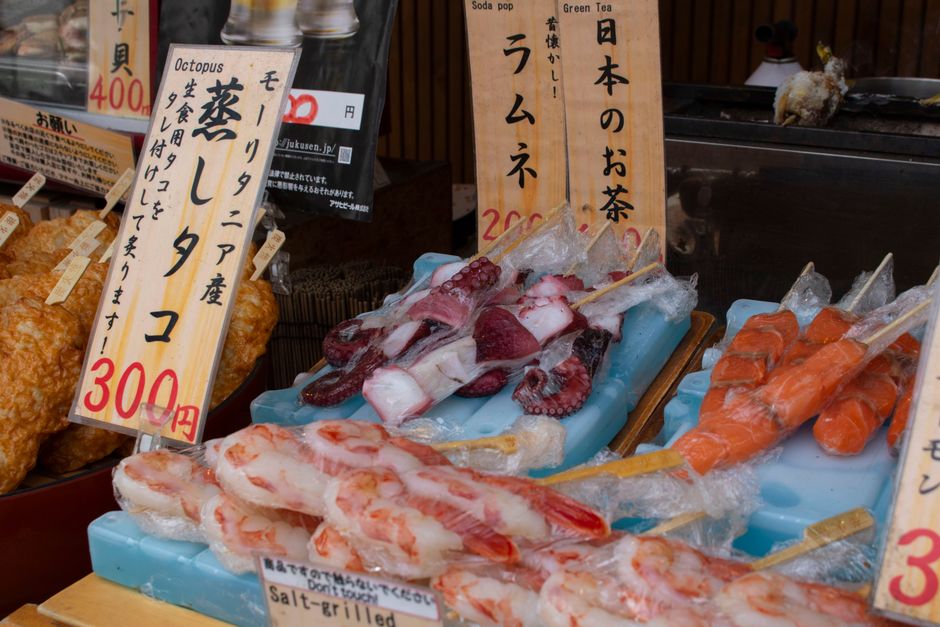
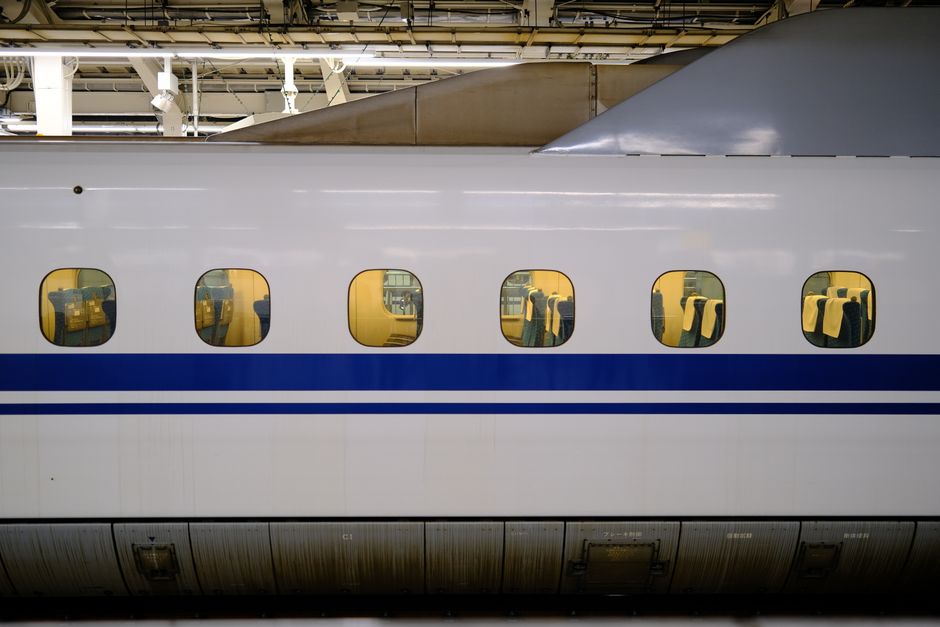

Stay in Hakata to simplify transport, in Tenjin to enjoy the lively city centre, or in Nakasu for evening entertainment. These three areas are the most convenient bases for discovering Fukuoka without making too many journeys. The right choice mainly depends on your plans: taking the Shinkansen, dining near the yatai, exploring the shops or going on an excursion will not necessarily lead you to the same location.
The airport’s proximity can also influence your decision: its domestic terminal is directly connected to the city centre by underground, so staying near the runway is rarely essential. For greater peace and quiet, consider the area around Ohori Park, while Momochi is better suited to a seaside-focused stay. Beyond the neighbourhood itself, look at the actual distance to the station, the sleeping arrangements and the arrival conditions. A room that looks well located on a map may lose much of its appeal if it involves carrying luggage up stairs or overlooks a busy street. Finally, major festivals and the November sumo tournament can significantly reduce availability: your travel dates matter just as much as the address.
Which area of Fukuoka should you stay in?
Hakata remains the most versatile choice for a first stay, but Tenjin is often more pleasant if you prioritise evening entertainment and urban walks. Before comparing accommodation, identify your main constraint: an early departure, nighttime peace and quiet, travelling with children or being close to restaurants.
The city has several complementary hubs rather than a single centre where everything is concentrated. A suitable address should therefore bring you closer to the journeys you will actually make, not just to a well-known place spotted on a map.
| Neighbourhood | Atmosphere | Who is it for? | Access and points to consider |
|---|---|---|---|
| Hakata and the Shinkansen station | Commercial, convenient and lively around the station | First stay, rail travellers, short stopovers | JR, shinkansen and metro; check the exit closest to your accommodation |
| Tenjin | Shops, restaurants, cafés and urban life | Shopping, evenings out and excursions with Nishitetsu | Metro and Nishitetsu Fukuoka Station; the stations are not interchangeable |
| Nakasu | Nightlife, riverside walks and yatai | Travellers wanting to dine and go out on foot | Nakasu-Kawabata Station; possible noise depending on the street |
| Ohori and Momochi | Park and residential setting in Ohori; coastline in Momochi | More relaxed stays, walks and families depending on the location | Metro around Ohori; walking or buses often necessary in Momochi |
| Near the airport | Functional, but less appealing for sightseeing | Specific flight-related constraints, very early schedules | Check the terminal, metro times and any shuttle services |
Hakata or Tenjin: choose according to your daily journeys
Choose the station area if rail travel is central to your trip. You can leave your belongings after arriving and reach the platforms more easily when departing, without adding an urban connection to an already busy day.
Conversely, a programme mainly consisting of restaurants, shops and walks through the central streets favours Tenjin. The benefit is particularly noticeable in the evening: walking back after dinner is often more enjoyable than saving a few minutes on your initial arrival.
The name shown in the address is not enough to decide. Hakata Ward covers a much larger area than the immediate surroundings of its station, so always check the walking route to the entrance that is actually useful.
Ohori or Momochi: two different ways to stay somewhere peaceful
Choose Ohori to combine walks with relatively easy access to the centre. The area around the park suits those who prefer a less commercial setting, with the option of walking along the water before starting your sightseeing.
Momochi offers something different: staying near the waterfront and Fukuoka Tower. However, this area is not an immediate extension of Ohori, and several addresses require a walk or bus journey to reach the rail network.
With children, an open setting can be pleasant, but it does not automatically make up for longer journeys. Compare the proximity of places to eat, everyday shops and transport before choosing based solely on the presence of a beach.
Choosing the right location in Fukuoka beyond the neighbourhood
Compare the door-to-door route rather than the straight-line distance. Major junctions, underground entrances and multiple exits can significantly affect how easy a journey is with suitcases.
The same caution applies to quietness: a side street can be peaceful in a lively area, while a room overlooking a major road will remain exposed to traffic. Recent comments about soundproofing are more useful than a general description of the surroundings.
When choosing between two options, prioritise your most frequent journey over your arrival transfer. The best location is the one that makes every day easier, not just your first journey.
Staying in Hakata: the shinkansen station and airport without the detour
Stay near Hakata Station if you arrive by train, are continuing your journey through Kyushu or want a simple transfer from the airport. This hub brings together rail services, two metro lines and numerous shops, making short stays and stopovers between several cities easier.
The atmosphere is more focused on travel, offices and shopping than nightlife. That does not mean the area shuts down after working hours: the station restaurants and those on the surrounding streets offer plenty of options for dinner.
Where to stay around Hakata Station?
First choose the side of the station that matches your journeys. The Hakata side opens towards the city centre and Gion; the Chikushi side is towards the shinkansen access points, although the internal passageways allow you to cross the building.
This distinction is useful when carrying bulky luggage or leaving early in the morning. An address described as close to the station may require you to go around it or use an indoor passage: check the exact route, not just the marker shown on the map.
Gion is an interesting compromise for staying between the railway hub and the historic districts. It offers convenient access to the temples, in particular, and lets you reach the livelier areas without necessarily sleeping right next to their nightlife streets.
When comparing booking listings for accommodation in Fukuoka near Hakata, pay particular attention to the stated exit, the space available and whether you can leave your suitcases. These criteria are more decisive than simply being described as “near the centre”.
Getting to Hakata from Fukuoka Airport
The metro connects the domestic terminal to Hakata very quickly, then continues directly to Tenjin. The journey to the central station takes just a few minutes once on board, which is why staying near the airport offers little benefit for an ordinary sightseeing trip.
The distinction between the terminals is essential. The metro station serves the domestic terminal; from the international terminal, an inter-terminal shuttle takes you to this access point, and its journey must be added to the transport time.
So do not confuse the metro journey time with that of the complete transfer. Passing through formalities, collecting your luggage, any wait for the shuttle and walking to your room naturally make the whole journey longer.
For a late arrival or a very early flight, check the first and last services on the official airport and metro websites. Geographical proximity does not guarantee a service at all hours, or convenient pedestrian access to the correct terminal.
Hakata as a base for travelling by train
Staying near the quays is mainly beneficial if you are making several train departures. You cut down on changes, handling luggage and the risk of having to cross the city before an excursion or moving on to your next stop.
Choosing a pass is nevertheless a separate calculation. Consult the principles of the Japan Rail Pass to plan your journeys, then compare its coverage with your actual itinerary: urban travel and private lines are not all included.
Booking near the station does not remove the need to allow time to find the platforms and buy something to eat. In Hakata, the main benefit is logistical simplicity, especially when your journey continues elsewhere.
Staying in Tenjin or Nakasu: restaurants, shopping and yatai
Choose Tenjin for a versatile urban base and Nakasu if your evenings are a priority. These areas are close to each other, but their atmosphere at street level can greatly affect your comfort, particularly when you return late or want to go to bed early.
The former combines large shops, cafés and lively streets; the latter concentrates some of the nightlife around its riverbanks. Neither, however, can be reduced to a single atmosphere, and the exact address remains decisive.
Why stay in Tenjin when visiting Fukuoka?
Tenjin is particularly suitable for travellers who want to spend their evenings on foot. The Daimyo and Imaizumi areas extend the range of shops and restaurants, with a different atmosphere from the main shopping streets.
This variety makes it possible to alternate sightseeing, breaks and shopping without planning every journey around transport. When it rains, the underground shopping arcades can also make some routes more comfortable, although they do not cover every journey to your accommodation.
Take care to distinguish Tenjin Station on the Airport Line, Tenjin-Minami on the Nanakuma Line and Nishitetsu Fukuoka Station. They belong to the same broad hub, but are not the same access point: the best location therefore depends on the line you are using.
To travel to Dazaifu or Yanagawa, being close to Nishitetsu Station may matter more than being immediately near the metro. For a return trip to the airport, access to the line serving it becomes the most useful criterion.
Nakasu and its yatai: stay near the nightlife without suffering the noise
Nakasu is suited to nights out, provided you check the room’s exposure. Bars, entertainment venues and late-night traffic make some streets less conducive to rest than the daytime photographs might suggest.
Yatai are food stalls set up in the evening, and have become one of the city’s culinary landmarks. They are not found only along this neighbourhood’s riverbanks: you will also find them elsewhere, particularly around Tenjin.
Their opening depends on each operator and can be affected by the weather. Choosing your accommodation solely for one particular stall would therefore be risky; it is better to favour an area where several dining options remain accessible.
Seating is limited and waiting is sometimes part of the experience. For a meal with several people or with young children, keeping an alternative at a conventional restaurant avoids turning the evening into a prolonged search for available seats.
Tenjin or Nakasu: checks that make all the difference
Check recent reviews about sleeping conditions before booking in a lively area. A room on a higher floor may be less exposed to conversations in the street, but this does not guarantee good insulation from music or traffic.
- Room frontage: ask whether it faces a busy main road or a side street.
- Getting back at night: check the walking route from the places where you plan to eat.
- Access to the metro: identify the useful exit rather than just the station in general.
- Arrival conditions: check the latest check-in time and the procedure if your flight is delayed.
The area around Kawabata lets you stay close to the entertainment while also providing access to a shopping arcade and cultural venues. It should not, however, be considered uniformly quiet: the building’s orientation still needs to be checked.
Do you really need to stay in the middle of the bars to enjoy the atmosphere? No: a short walk to the nightlife is often better than a room directly above the bustle.
To get online as soon as you land, a Japan eSIM can be installed before you leave, with no need to look for a local SIM card.
Which accommodation should you choose in Fukuoka: business hotel, capsule hotel, ryokan or apartment?
A business hotel is generally the simplest choice for a short stay in Fukuoka. A capsule hotel is mainly suited to those looking for an individual sleeping space, while an apartment is more suitable for people who need space or domestic facilities.
The type of establishment does not tell you everything about comfort. A small, well-organised room can be more practical than spacious accommodation far from transport; conversely, sharing a space that is too cramped for several nights quickly becomes restrictive.
Business hotel in Hakata or Tenjin: practical, but compact
Choose this option if you want a private room with standard hotel services. It suits travellers who spend most of their day out and want a structured arrival, a private bathroom and a predictable setup.
Rooms are often compact, particularly in the entry-level categories. Look at photographs of the exact type you have booked: the space needed to open two suitcases is not always obvious, even when the room has all the expected facilities.
The bed category also deserves your attention. The terms used for double beds do not guarantee a width suited to your preferences; check the stated dimensions rather than judging comfort from the commercial name alone.
A laundry room can make a longer stay much easier. Nevertheless, check whether it is available and how it works, as well as luggage storage before arrival or after departure, since these services are not always the same.
Sleeping in a capsule hotel in Fukuoka: who is it suitable for?
Capsule hotels are best suited to solo travellers who are comfortable with shared spaces. Individual sleeping areas generally come with shared bathroom facilities and stricter rules than a conventional hotel.
The visual partition does not provide sound insulation comparable to that of an enclosed room. Noise from people moving around, alarms and packing belongings can disturb light sleepers, even in a well-maintained property.
Check for any age restrictions, how spaces are organised by gender and the size of the lockers. Some options also require you to vacate the sleeping area during cleaning: this matters if you are planning to stay several nights or want to rest during the day.
Ryokans in Fukuoka: look at the experience actually offered
Book a ryokan for its specific features, not just because of its traditional name. Tatami, futons, included meals and shared baths vary from one property to another; none of these should be assumed without reading the description.
This type of accommodation does not automatically have an onsen, meaning a bath supplied by a hot spring. Also check dinner and arrival times, which are often less flexible when meals are prepared for guests.
Rules concerning tattoos and access to baths differ from one property to another. A private bathroom or reservable bath may be useful if you do not want to use shared facilities.
Apartments in Fukuoka: greater independence for longer stays
An apartment becomes worthwhile when a kitchen, laundry facilities or separate sleeping areas meet a specific need. For families, it can make breakfasts and quiet time easier, provided the layout genuinely suits the number of travellers.
Check for a lift, that the advertised facilities are actually provided, recycling instructions and the key handover procedure. Without a permanent reception desk, dealing with luggage left in advance or an access problem may take longer.
In Ohori and Momochi alike, the value of extra space should be weighed against your daily journeys. The best accommodation is the one whose facilities serve your trip, rather than a category chosen out of habit.
How many nights should you spend in Fukuoka, and when should you book?
Allow two to three nights for exploring the city, or preferably four to five if you want to add excursions without rushing. This is a suggested travel pace, to be adapted to your arrival and departure times: two nights do not necessarily amount to two full days.
A very short stay favours a central base and grouped-together visits. With more time, you can keep the same accommodation and take day trips, avoiding the need to repack for every nearby destination.
Two, three or five nights in Fukuoka: planning your pace
Two nights are suitable for a city-focused stopover. You can divide your time between the central districts, Hakata’s temples, a walk in the park and an evening devoted to local cuisine, according to your priorities.
A third night gives you more flexibility to slow down or include an outing further afield. It also reduces the pressure caused by the weather: outdoor activities can be moved more easily when not every visit is fixed.
Four or five nights make sense if you want to combine several excursions. This format allows you to keep some time for Fukuoka itself, rather than turning the city into little more than a dormitory between days spent entirely elsewhere.
Dazaifu, Yanagawa and Itoshima: where to stay for day trips?
Tenjin is particularly convenient for Dazaifu and Yanagawa thanks to the Nishitetsu network. To reach the former by train, the usual route involves a change at Nishitetsu Futsukaichi; check the timetable for your travel date.
Dazaifu is particularly popular for its Tenmangu Shrine and the Kyushu National Museum. If you want to visit the collections, check the opening calendar: a well-timed stay cannot make up for the museum being closed on your chosen day.
Yanagawa is well suited to an excursion around its canals and boat trips. Reaching the station does not always mark the end of the journey; allow for the transfer to your chosen departure point and check the operating conditions.
For Itoshima, the Kuko subway line offers connections with the JR Chikuhi Line, depending on the service. However, the stations provide imperfect access to some beaches and coastal addresses: plan the final leg by bus, taxi, bicycle or hire car depending on your destination.
This difference is important when booking. Easy rail access to the peninsula does not mean that all its points of interest will then be close to one another or easy to reach on foot.
Festivals and sumo: busy periods for staying in Fukuoka
Book early if your dates coincide with Hakata Dontaku, Hakata Gion Yamakasa or the November sumo tournament. These events attract visitors and may reduce the choice available in the central areas.
Hakata Dontaku usually takes place on 3 and 4 May, during Golden Week, a period that is already very busy in Japan. Hakata Gion Yamakasa livens up the first half of July, with its traditional climax on 15 July; consult the official programme for timings and traffic restrictions.
The November sumo tournament is held at the Fukuoka Kokusai Center. For a stay in 2026, check the exact dates with the Japan Sumo Association before committing to a non-refundable booking, then look into the route to the venue separately from the route to the station.
In summer, the heat and humidity make accommodation close to transport and equipped with suitable air conditioning particularly appealing. During a busy period, prioritise a booking with clear terms rather than changing districts in a hurry.
Frequently asked questions about accommodation in Fukuoka
Which district should you choose for your first stay in Fukuoka?
Hakata is the easiest choice if you arrive by train or are continuing your journey through Kyushu. Tenjin is better suited if you prioritise restaurants, shops and getting around on foot in the evening.
Do you need to stay near Fukuoka Airport?
This is not usually necessary: the metro connects the domestic terminal with the city centre very quickly. Staying nearby is mainly justified by a particular flight time, after checking the terminal, first services and any shuttle buses.
Is Nakasu a good area for a quiet stay?
Some streets stay lively late into the night, while accommodation set back from the main streets may be better suited to resting. Check recent reviews for noise, the room’s orientation and soundproofing before booking.
Can you visit Dazaifu, Yanagawa and Itoshima from the same accommodation?
Yes, these destinations can be visited as day trips from Fukuoka. Tenjin makes Nishitetsu departures to Dazaifu and Yanagawa easier; for Itoshima, also plan for the journeys between the arrival station and the coastal sites.