Why visit Ishigaki and the Yaeyama Islands
Ishigaki combines tropical landscapes, cultural heritage and convenient access to the Yaeyama Islands. Unlike Okinawa-hontō, the archipelago retains its own cultural identity, with traditional crafts, local cuisine and unspoilt landscapes. Its low tourist density compared with other Japanese destinations ensures a peaceful atmosphere.
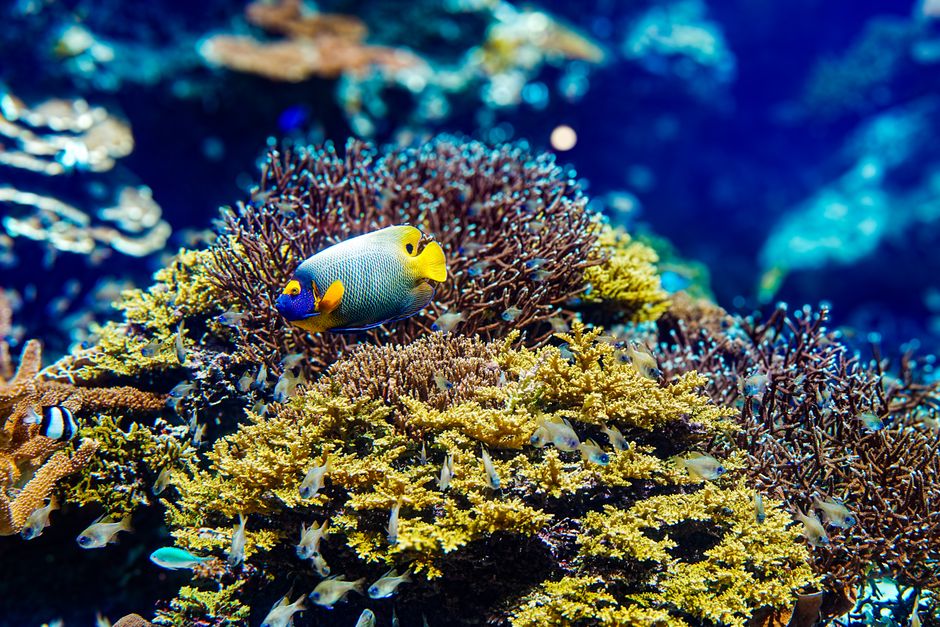
The waters around Ishigaki are home to some of Japan’s richest coral reefs, with exceptional visibility and abundant marine biodiversity. The neighbouring islands, accessible by ferry from Ishigaki Port, each offer a different atmosphere: traditional villages on Taketomi, primeval jungle on Iriomote and Japan’s southernmost point on Hateruma.
Must-do activities in Ishigaki
Diving and snorkelling are the main highlights. Certified centres offer trips suitable for all levels, from beginners to experienced divers. Sites such as Shiraho Reef and Sekisei Lagoon allow you to see sea turtles, manta rays and schools of tropical fish.
Kayaking excursions through Iriomote’s mangroves, buffalo-cart rides on Taketomi and jungle hikes offer land-based alternatives. Coastal viewpoints, particularly the one at Kabira Park, let you admire the scenery without needing any special equipment.
| Activity | Main location | Best time | Level required |
|---|
| Scuba diving | Shiraho Reef, Osaki Reef | May-November | Beginner to advanced |
| Snorkelling | Yonehara, Sukuji Beach | April-October | None |
| Mangrove kayaking | Iriomote-jima | All year round | Beginner |
| Scenic viewpoints | Kabira Park | All year round | None |
Planning your stay in Ishigaki
The recommended length of stay for discovering Ishigaki and the neighbouring islands is between three and five days. A shorter stay allows you to visit Kabira Bay and one or two diving sites, while a week gives you time to explore several Yaeyama Islands and enjoy various water-based activities.
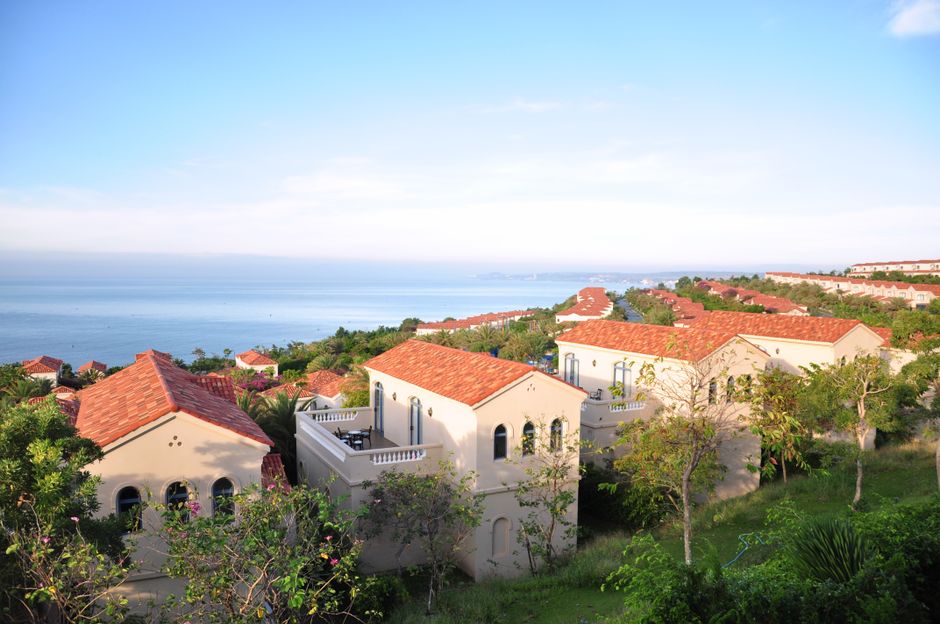
Accommodation is concentrated mainly in Ishigaki City, where you will find shops, restaurants and services. Options range from budget guesthouses to seaside resorts. Booking in advance is advisable during the popular May-June and October-November periods. To compare the available properties, see our selection of hotels in Ishigaki.
Getting around the island and travelling to the neighbouring islands
Hiring a car or scooter makes it easier to get around Ishigaki, which is about 20 km long. Local buses serve the main sights, but services are limited. Ishigaki Port is the main departure point for ferries to the Yaeyama Islands, with regular sailings throughout the day.
Multi-island passes offered by the ferry companies allow you to combine several destinations at a reduced fare. Crossings take between 10 minutes to Taketomi and 60 minutes to Hateruma. Checking timetables and weather conditions before planning an excursion is essential, particularly during typhoon season.
Climate and the best times to visit
Ishigaki enjoys a subtropical climate with mild temperatures all year round. Water temperatures range from 25 to 29°C, making swimming and diving possible in every season. Rainfall is concentrated between June and September, peaking in July-August.
Typhoon season runs from July to October, with a higher risk in August-September. These weather events can disrupt sea and air connections. May-June and October-November offer the best compromise: calm seas, pleasant temperatures and moderate visitor numbers.
What to pack
Basic equipment includes swimwear, high-protection sunscreen, a hat and sunglasses. UV rays are particularly intense in this region. For diving, centres provide all the necessary equipment, but bringing your own mask and snorkel ensures greater comfort when snorkelling.
Lightweight, breathable clothing is suitable for the daytime, with a light jacket for evenings or air-conditioned ferry journeys. Water shoes protect your feet on coral beaches. A lightweight waterproof jacket is useful even outside the rainy season, as tropical showers can arrive quickly.
Combining Ishigaki with other destinations
Ishigaki fits naturally into an itinerary including Okinawa-hontō, which is one hour away by plane. This combination lets you discover two different sides of the prefecture: the relative urbanity of Naha and the isolated tropical atmosphere of the Yaeyama Islands. Allowing two to three days in Okinawa and three to four days in Ishigaki provides a well-balanced itinerary.
For a longer trip, travelling from Ishigaki to major cities such as Tokyo or Osaka on direct flights allows you to contrast urban modernity with unspoilt nature. A classic itinerary could include three days in Tokyo, two days in Kyoto and then four days in Ishigaki. Travellers interested in other cultural destinations can explore Kanazawa, a historic city on the west coast.
The cultural characteristics of the Yaeyama Islands
The Yaeyama Islands have a distinct cultural identity from the rest of Japan, with Ryūkyū and Taiwanese influences. Local dialects differ from standard Japanese, although the latter is understood everywhere. Traditional festivals, particularly those connected with the sea and agriculture, mark the year.
Respect for the marine environment is a core value. Visitors should avoid touching corals, feeding fish and leaving rubbish behind. Some swimming areas are off-limits to protect fragile ecosystems, such as at Kabira Bay, where only glass-bottom boat excursions are permitted.
Frequently asked questions
What is the best time to visit Ishigaki?
May-June and October-November offer ideal conditions: calm seas, pleasant temperatures and moderate visitor numbers. Avoid July-October because of typhoon season and heavy rainfall. Water temperatures remain suitable for swimming all year round.
Can you swim at Kabira Bay?
Swimming is prohibited at Kabira Bay to protect the coral reefs and fragile seabed. You can admire the bay from the Kabira Park observatory or join a glass-bottom boat trip to see the corals without damaging them.
How many days should you allow to visit Ishigaki and the Yaeyama Islands?
Allow at least three days to discover Ishigaki and one or two nearby islands. A stay of four to five days allows you to explore several Yaeyama Islands, go diving and enjoy the beaches. A week offers a comfortable pace for a more in-depth experience.
How do you get around the Yaeyama Islands?
Ferries leave Ishigaki Port for the neighbouring islands, with regular services. Crossings take between 10 minutes to Taketomi and 60 minutes to Hateruma. The companies offer multi-island passes at reduced rates. Check the timetables and weather conditions before setting off.
Do you need special equipment for diving in Ishigaki?
Certified diving centres provide all the necessary equipment, from beginner to experienced diver. For snorkelling, bringing your own mask and snorkel ensures greater comfort. Bring water-resistant sunscreen, a UV-protective rash vest and water shoes for coral beaches.
Can you visit Ishigaki from Okinawa on a day trip?
A day trip from Naha is technically possible but not recommended. The flight takes an hour, but check-in and transfer times considerably reduce the time spent there. Staying at least one night in Ishigaki allows you to make the most of the sights and activities.