Tip: set up a Japan eSIM before departure so your data works on arrival.
Which service should you choose for your luggage in Japan?
The right choice mainly depends on the length of the journey, your next accommodation and what you need to keep with you. Luggage transfer is convenient when you are staying in the same place for several nights. Conversely, a locker is better suited to a visit lasting a few hours or a connection.
| Situation | Suitable solution | Things to bear in mind |
|---|
| You are changing cities and staying at another hotel | Takkyubin between the two accommodations | Confirm that the parcel will be accepted on arrival |
| You are visiting a city before an evening departure | Station locker | Check the available size and collection deadline |
| You are taking a train with a small suitcase | Carrying it on board | Keep an eye on your suitcase and do not block the passageways |
| You are travelling to a remote area | Delivery arranged by the hotel | Check the delivery times stated by the carrier |
How do you arrange luggage delivery with takkyubin?
Preparing the shipment at the hotel
Ask reception whether they can arrange the shipment. Some establishments fill in the form for you, while others direct you to a transport counter. Have the exact name of your next hotel, its address, the name on your booking and your expected arrival date ready.
A Japanese address can be difficult to copy from a booking in French. So save your accommodation details on your phone and keep a paper copy. The hotel name, a telephone number and details of your booking make it easier to identify the parcel.
What should you keep in your backpack?
Do not entrust the carrier with anything you will need during the journey or that evening. Keep the following with you:
- your identity documents, payment methods and bookings;
- your regular medication and essential items;
- a change of clothes and the toiletries you need;
- electronic devices, chargers and batteries;
- fragile or difficult-to-replace items.
Also allow some extra time if you need to leave your hotel before the usual collection time. The transfer service is not a solution for a rushed departure: ask the hotel staff about the conditions that apply to your journey.
Receiving a suitcase sent in advance
When you arrive, give the name used for the shipment and show your booking. The hotel may store the suitcase in a designated area, but arrangements vary between establishments. If you are staying in a rental or accommodation without a permanent reception desk, contact the manager before sending it.
Inspect the suitcase as soon as it is handed over. Check the label, its external condition and that the essential items are present. If there is a problem, report it promptly to the hotel and the carrier, using the receipt or tracking number if one was provided.
Using station lockers without any unpleasant surprises
Lockers are useful for leaving a suitcase while you explore, but availability in the size you need is not guaranteed. Large stations can be extensive: note the locker’s exact location, zone number and level.
- Estimate the amount of space your luggage takes up before looking for a locker.
- Take a photo of the locker number and keep the receipt or code.
- Check which payment methods the locker accepts.
- Collect your belongings before closing time or the stated deadline.
- Do not leave essential documents or valuables in the locker.
A locker that is occupied or too small can waste your time. If this happens, ask station staff where other luggage storage areas are, or use a luggage storage service that suits your itinerary.
Travelling with a suitcase on Japanese trains
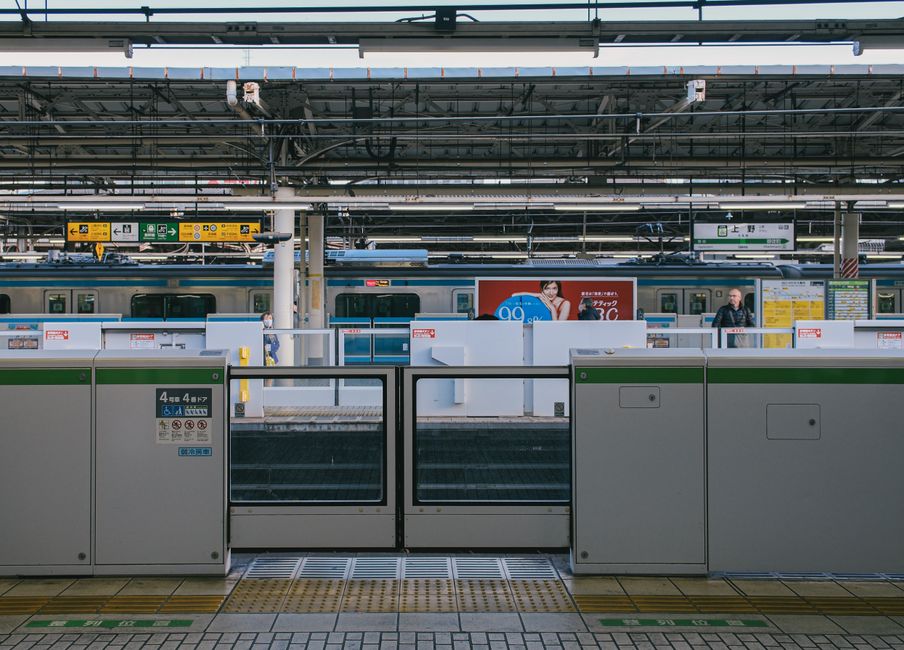
On the metro and urban trains, lifts are often available but may be a long way from your platform or exit. If you are travelling with a large suitcase, allow extra time and avoid busy periods when your route allows.
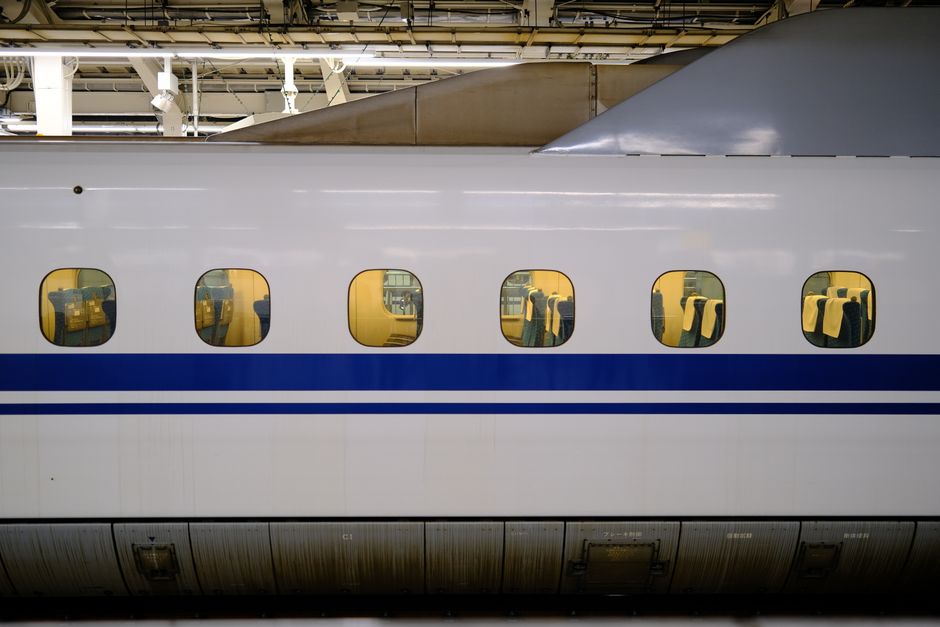
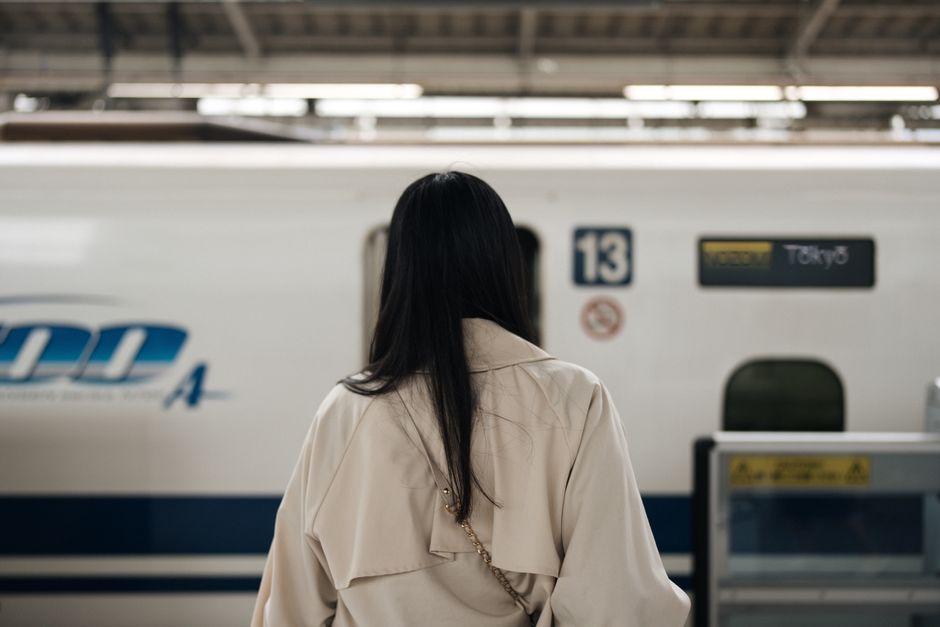
On the shinkansen, store your luggage without inconveniencing other passengers. The available space depends on the train and the carriage layout. For a very busy journey, check the rules for your booking and ask station staff for advice before boarding.
If you are visiting Kyoto with several bags, choose accommodation close to a convenient station or bus stop. You can then devote your time to sightseeing, for example after consulting a guide to capsule hotels in Japan if you are looking for a stop with limited storage.
Planning a genuinely comfortable itinerary
An itinerary with a different hotel every night makes managing luggage more complicated. Where possible, group your nights in the same city and use luggage delivery for longer legs. This arrangement means less handling in stations and leaves your hands free for tickets, your phone and the children.
If you are travelling during a particularly busy period or in a region prone to disruption, follow updates from your carrier and accommodation provider. Advice about earthquakes in Japan can also help you prepare an easily accessible bag, separate from your large suitcase.
Finally, if you are going on a long stay, check what you need before arranging multiple shipments. People preparing for a Working Holiday in Japan do not organise their luggage like tourists: they need to plan for storage, a stable address and useful belongings for a longer period.
Frequently asked questions
Can you send your luggage from one hotel to another in Japan?
Yes, takkyubin generally allows you to send a suitcase from one hotel to another accommodation. Before sending it, ask both establishments whether they accept this arrangement and check the recipient’s exact address. Keep your documents, medication, electronic devices and anything you need during the journey with you.
Is takkyubin available at all Japanese hotels?
Many hotels can arrange a shipment, but this service is not available automatically everywhere. A small establishment, rental or accommodation without a reception desk may have different arrangements. Contact the establishment before you leave and ask where to drop off the suitcase and what information is needed for the form.
Can you send a suitcase in Japan without speaking Japanese?
This is often possible through the hotel reception or a specialised counter. However, prepare the name and address of your next accommodation, ideally in Japanese, as well as your booking details. A translation saved on your phone and a paper version reduce the risk of mistakes.
What should you do if no station locker is available?
Do not force a suitcase into a locker that is too small, and do not leave it unattended. Look for another luggage storage area in the station, ask staff or use the storage service offered by your accommodation. In large stations, make a precise note of the location before leaving.
How long should you keep your belongings with you before sending your luggage?
Keep everything you need with you until your suitcase is delivered: documents, money, medication, chargers and essential clothing. The time required depends on the route and the carrier. Ask the hotel for the estimated time applicable to your destination and avoid sending a suitcase that you will need immediately.