Shinkansen timetables and frequency
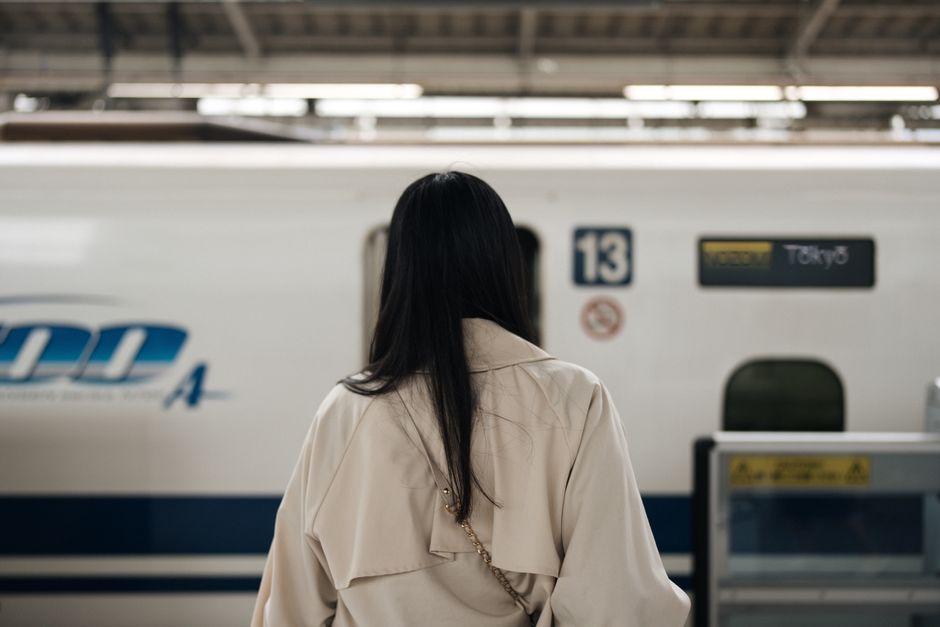
High-speed trains run all day between the two cities. The Nozomi departs every 5 to 10 minutes during peak hours, and the Hikari approximately every 30 minutes. The first departure from Tokyo to Kyoto is around 6:00, and the last around 21:30. In the opposite direction, the times are similar.
This high frequency means you can travel without a compulsory reservation in the non-reserved cars (cars 1 to 3), which is particularly convenient for JR Pass holders. During busy periods (sakura, Golden Week, Obon), booking is recommended.
| Train type | Duration | Frequency | JR Pass |
|---|
| Nozomi | 2h15 | 5–10 min | Not covered |
| Hikari | 2h45 | 30 min | Covered |
| Kodama | 3h50 | Variable | Covered |
Detailed fares by option
The standard price of a Shinkansen ticket in ordinary class is 14,000 yen (approximately 90 euros) for a one-way journey. This fare is the same for the Nozomi, Hikari and Kodama. The only differences are the journey time and whether the train is covered by the JR Pass.
In Green Class (first class), expect to pay 17,600 yen. GranClass, available on certain trains, costs between 17,000 and 23,000 yen. To save money on the Nozomi, the SmartEX app offers a discount of around 10% if you book one month in advance.
Night buses have variable fares depending on the operator and level of comfort: Willer Express charges between 5,000 and 8,000 yen (or up to 12,000 yen for premium seats), while JR Bus Dream costs between 7,000 and 11,000 yen. These prices represent substantial savings, but comfort remains limited.
Comparison with the JR Pass
If you are planning several long-distance journeys in Japan, the 7-day JR Pass at 50,000 yen becomes worthwhile after just two return journeys between Tokyo and Kyoto. It covers Hikari and Kodama trains, but not the Nozomi (except in the Green car). For an itinerary including Tokyo and the former capital Kyoto, followed by Osaka or Hiroshima, the pass is a worthwhile option.
Without a JR Pass, consider buying individual tickets via SmartEX or at Midori-no-madoguchi ticket offices. The JR Kansai Area Pass (2,800 yen for 7 days) covers only the Kansai region and is not valid on the Tokaido Shinkansen.
Which option should you choose based on your travel profile?
Your choice depends on three main criteria: your available budget, your preferred travel time and the level of comfort you are looking for. The Shinkansen is suitable for travellers in a hurry who prioritise comfort and speed, departing from central Tokyo (Tokyo or Shinagawa Station) and arriving directly at Kyoto Station.
The night bus is aimed at budget-conscious travellers willing to sacrifice a night's sleep to save on accommodation. This option frees up a full day at your destination, but accumulated fatigue may affect your first day of sightseeing. Flying remains a marginal option on this route, except when low-cost airlines offer exceptional promotions.
Combined journeys with Osaka
Many travellers visit Tokyo, Kyoto and Osaka in succession. From Kyoto, Osaka is 30 minutes away by local JR train (570 yen) or 15 minutes by Hikari Shinkansen (3,220 yen). This proximity means you can stay in Kyoto and take day trips to Osaka, or vice versa.
To discover Tokyo's iconic districts before departing for Kyoto, see our guides to Akihabara or the Tokyo observation decks. In Kyoto, don't miss Gion and its geishas or a traditional tea ceremony.
Booking your tickets: practical methods
There are several ways to buy Shinkansen tickets. At JR ticket offices (Midori-no-madoguchi) in all major stations, staff generally speak English and can reserve your seats free of charge if you have a JR Pass. Ticket machines accept international bank cards.
The SmartEX app, available in English, lets you book and pay online up to one month in advance. You can then collect your physical ticket or scan a QR code at the automatic ticket gates. This method avoids queues and offers reduced fares on certain trains.
For JR Pass holders, seat reservations remain free and are strongly recommended during busy periods (late March to early April for the cherry blossoms, Golden Week in early May, Obon in mid-August and New Year). Outside these periods, non-reserved cars are generally sufficient.
On-board comfort and services
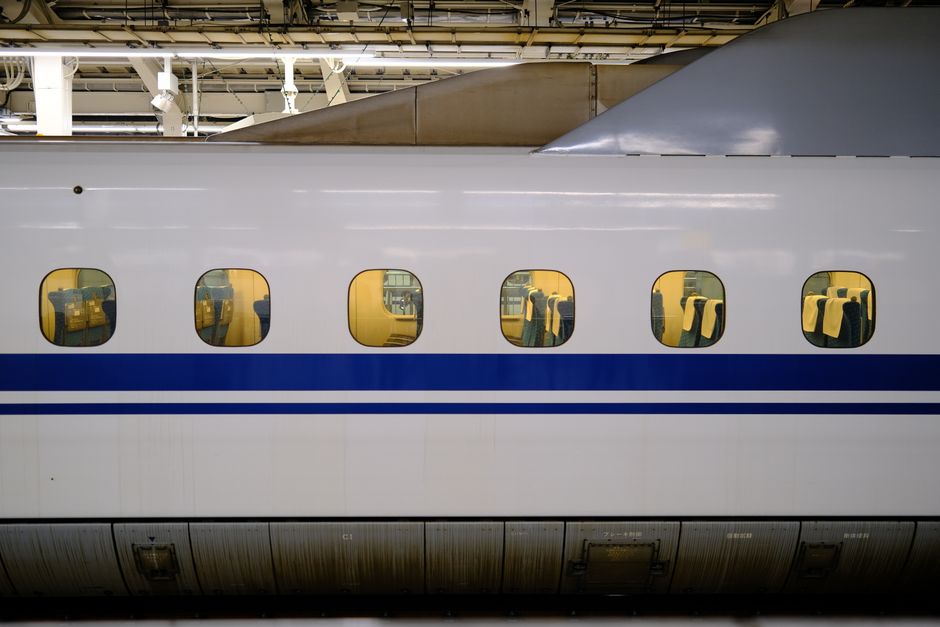
Shinkansen trains offer a high level of comfort: reclining seats with footrests, power sockets, clean toilets, a quiet car (car 7) and a family area (cars 4–5). Green cars (first class) offer wider 2+2 seating with more legroom.
Each car has luggage racks above the seats and dedicated spaces at either end for large suitcases. On busy Nozomi trains, these spaces fill up quickly. Arrive a few minutes early to secure a place for your luggage.
The vending machines in the cars offer hot and cold drinks. Staff regularly pass through with a trolley selling bentos (boxed meals), snacks and souvenirs. Buying an ekiben (station bento) before boarding is a typically Japanese experience enjoyed by travellers.
Frequently asked questions
How long does the Shinkansen journey between Kyoto and Tokyo take?
The Nozomi makes the journey in 2h15, the Hikari in 2h45 and the Kodama in 3h50. The Nozomi is the fastest but is not covered by the standard JR Pass. The Hikari offers the best compromise for pass holders, taking only 30 minutes longer.
Does the JR Pass cover all Shinkansen trains between Tokyo and Kyoto?
The JR Pass covers Hikari and Kodama trains on the Tokaido Line, but not the Nozomi (the fastest train). Only the JR Pass Green allows you to take the Nozomi in a Green car. For standard pass holders, the Hikari remains the recommended option, with a difference of only 30 minutes.
How much does a night bus ticket between Tokyo and Kyoto cost?
Night buses cost between 5,000 and 8,000 yen depending on the operator and level of comfort. Willer Express offers standard seats from 5,000 yen and premium options costing up to 12,000 yen. JR Bus Dream charges between 7,000 and 11,000 yen. The journey takes between 7 and 9 hours.
Do you need to reserve your Shinkansen seat in advance?
Reservations are not compulsory: cars 1 to 3 are non-reserved and can be accessed freely. However, during busy periods (sakura, Golden Week and Obon), booking is strongly recommended. Reservations are free for JR Pass holders at Midori-no-madoguchi ticket offices.
Is flying a good alternative to the Shinkansen for this journey?
Flying remains relatively uncompetitive on this route. The flight takes 1h15, but with airport transfers, allow 2h30 in total, compared with 2h15 by Shinkansen from city centre to city centre. Fares range from 12,000 to 18,000 yen return, sometimes less with low-cost airlines, but baggage fees and time lost reduce its appeal.
Can you stop in Nagoya between Tokyo and Kyoto?
Yes, Nagoya is halfway between the two cities and makes an interesting stop to discover the local speciality, hitsumabushi (grilled eel). All Shinkansen trains stop in Nagoya. With a JR Pass, you can get off freely, visit the city for a few hours, then take a later train at no extra cost.