Preparing for your solo departure
Before you leave, a few steps will make your stay easier. Check that your passport is valid and review the visa exemption conditions for short-term tourist stays. Take out travel insurance covering medical expenses and repatriation. Download essential apps: Google Maps for directions, Hyperdia or Japan Travel for train timetables, and Google Translate with offline mode for Japanese. Take a bank card with no overseas fees and withdraw yen as soon as you arrive at the airport, as cash is still widely used.
At a minimum, book your first two nights’ accommodation to avoid stress when you arrive. For a first trip to Japan, this advance planning gives you time to adjust to the time difference and organise the rest of your trip once you are there. If you are planning to make numerous train journeys, order your JR Pass before leaving to benefit from preferential fares.
Choosing the best time to travel alone
Japan can be visited all year round, but some seasons make solo travel easier. Spring (March–May) offers cherry blossoms and mild weather, but attracts large crowds. Autumn (September–November) is popular for its red foliage and pleasant temperatures. Summer (June–August) is hot and humid, with the rainy season in June–July, but matsuri festivals bring the cities to life. Winter (December–February) suits ski and onsen enthusiasts, with fewer tourists.
To meet other travellers more easily, choose April, May, October or November, when hostels are full and organise social events. Avoid Golden Week (late April–early May) and New Year (late December–early January), when Japanese people travel in large numbers and prices rise.
Tip: set up a Japan eSIM before departure so your data works on arrival.
Apps and tools for solo travellers
Several apps can transform your solo experience. Couchsurfing and Meetup.com connect you with locals and expats for outings or free accommodation. Backpackr and Travelbuddy put solo travellers with similar itineraries in touch with one another. Tabelog and Gurunavi list restaurants with photos and reviews, making it easier to eat alone without stress. Suica or Pasmo (rechargeable IC cards) simplify journeys by metro and bus.
| App | Main use | Cost |
|---|
| Google Maps | Navigation, transport timetables | Free |
| Hyperdia / Japan Travel | Train timetables, connections | Free |
| Couchsurfing | Free accommodation, meeting people | Free |
| Meetup.com | Social events, expat groups | Free |
| Tabelog | Restaurants, local reviews | Free |
| Google Translate | Offline Japanese translation | Free |
Eating alone in Japan without feeling awkward
Japanese culture considers eating alone perfectly normal. Restaurants often offer individual counters where you order from a ticket machine, without any verbal interaction. Ichiran (ramen) and Yoshiya (gyudon) offer individual booths with partitions for complete privacy. Kaiten sushi (conveyor-belt sushi) lets you choose visually without speaking Japanese.
Konbini (7-Eleven, Lawson and FamilyMart convenience stores) sell good-quality hot meals that can be heated up on the spot. Food courts in stations and shopping centres bring together several stalls with shared seating. For a local experience, try izakaya (Japanese tapas bars) with a counter, where the chef will often be happy to chat with solo customers.
Restaurant etiquette
Wait to be seated, even if some tables appear to be free. Never stand your chopsticks upright in rice (it is a funeral ritual). Slurp your noodles to show your appreciation. Pay at the till when you leave, never at the table. Tipping is not customary and may cause offence. These simple rules make solo meals easier.
Managing the language barrier alone
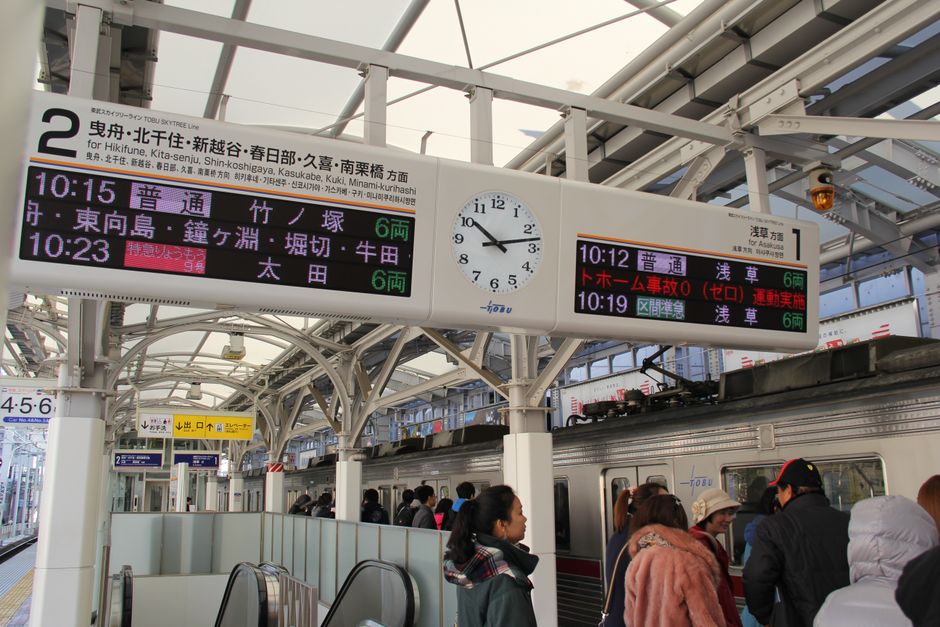
Few Japanese people speak English fluently outside tourist areas, but communication is still possible. Signs in metros, stations and museums often include English translations. Menus frequently feature photos or plastic food models in the window. Google Translate’s photo mode instantly translates Japanese text.
Learn a few basic phrases: sumimasen (excuse me), arigatō gozaimasu (thank you very much), eigo ga hanasemasu ka (do you speak English?). Japanese people appreciate the effort and are patient. If communication breaks down, show your destination on Google Maps or write it in Japanese characters copied from your phone. Tourist information offices in major stations have English-speaking staff.
Ideal activities for solo travellers
Some experiences are particularly well suited to solo travel. Visiting temples and Zen gardens (Ryoan-ji in Kyoto, Senso-ji in Tokyo) invites personal contemplation. Onsen (hot springs) offer a relaxing solo experience, with a simple protocol to follow. Hikes such as the Kumano Kodo or the trails around Mount Fuji let you walk at your own pace.
Cooking, tea ceremony and calligraphy classes via Klook create opportunities to meet people in a structured setting. Museums (TeamLab Borderless in Tokyo, the International Manga Museum in Kyoto) are easy and comfortable to visit alone. Karaoke venues offer private booths where you can sing without an audience. Themed cafés (cats, owls, board games) make informal conversations easier.
Making the most of your solo travel budget
Travelling alone generally costs more than sharing expenses, but a few tips can reduce the bill. Hostels cut accommodation costs by half or two-thirds compared with a hotel. Meals from konbini or budget chains (Sukiya, Matsuya) cost less than 500 yen. The JR Pass becomes worthwhile from three long-distance journeys onwards (a Tokyo–Kyoto return trip is enough).
There are plenty of free attractions: shrines, parks, historic neighbourhoods and markets. Public museums rarely cost more than 1000 yen. Walking instead of taking the metro for short distances saves money and lets you discover hidden lanes. Choose Seven Bank or Japan Post ATMs to withdraw cash without excessive fees. For more details, see our guide to the Japan travel budget.
Safety and specific precautions
Japan has a very low crime rate, but a few precautions are still advisable. Keep your valuables on you in crowded places (Shibuya, Shinjuku during rush hour). Pickpockets do exist, although they are rare. Avoid deserted side streets late at night, especially in nightlife districts such as Kabukicho and Roppongi.
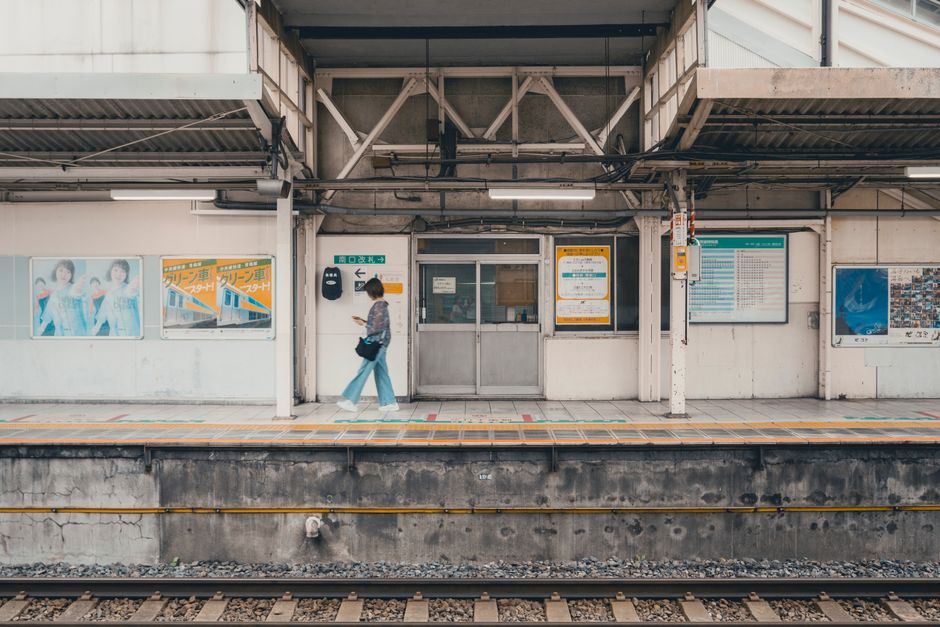
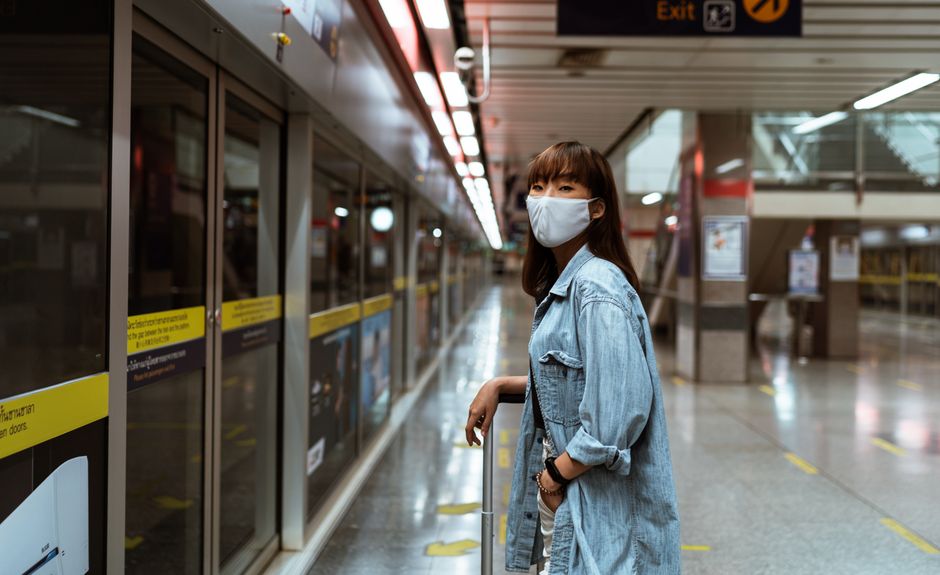
Women travelling alone can get around without fear, but some trains offer women-only carriages during rush hour to prevent groping (chikan). Look out for the pink signs on the platforms. In an emergency, dial 110 (police) or 119 (fire service/ambulance). Koban (neighbourhood police boxes) are found throughout the cities and provide assistance and directions. Register with Ariane (French Ministry) to receive alerts and advice.
Itinerary options based on your interests
The classic Tokyo-Kyoto-Osaka itinerary is suitable for a first trip, but other routes can enrich the solo experience. Nature lovers will prefer Hokkaido (Sapporo, Furano, Daisetsuzan National Park) or the Japanese Alps (Takayama, Shirakawa-go, Kamikochi). History enthusiasts can explore Kanazawa, Hiroshima, Nagasaki and feudal castles (Himeji, Matsumoto).
For a spiritual immersion, combine several pilgrimages: Kumano Kodo (Wakayama), Shikoku 88 temples and Mount Koya. Pop culture fans can focus their time on Tokyo (Akihabara, Nakano Broadway, Harajuku) and Osaka (Den Den Town). An off-the-beaten-track itinerary includes Kanazawa, Takayama, Matsumoto and Nagano, avoiding the crowds while maintaining a good level of services.
Adapting the length of your stay
For a 7-day stay, limit yourself to Tokyo and Kyoto with one excursion (Nikko or Nara). Over 10 days, add Osaka and Hiroshima. With 14 days or more, explore an additional region (Hokkaido, Kyushu, the Japanese Alps) or slow down to discover each stop in greater depth. Solo travel offers this flexibility: adjust your itinerary according to the people you meet and the places you fall in love with.
Extend your experience in Japan
If you enjoy your solo trip enough to consider a longer stay, several options are available. The working holiday visa (PVT) allows 18- to 30-year-olds to stay for a year while working. Language schools offer programmes lasting from a few weeks to several months, with a student visa. Volunteering through Workaway or WWOOF involves exchanging accommodation and meals for a few hours of work each day.
For those wishing to settle more permanently, find out about the procedures for moving to Japan and the Japan visa options suited to your professional or personal plans.
Frequently asked questions
Is Japan really safe for solo travel?
Japan ranks among the safest countries in the world, with a very low crime rate. Women travel alone without fear, even at night in large cities. Lost property is often found and returned. Take the usual precautions in crowded places and avoid isolated side streets late at night.
How much should I budget for 14 days travelling solo?
Allow around 210,000 yen (1,340 euros), excluding international flights, for a 14-day backpacker trip: hostel accommodation, inexpensive meals, a 14-day JR Pass and moderately priced activities. This amount varies depending on your level of comfort: a mid-range budget rises to 300,000–350,000 yen with business hotels and mid-range restaurants.
How can I meet other travellers in Japan?
Youth hostels organise social events and pub crawls. Use Couchsurfing for accommodation and meetings, Meetup.com for events aimed at expats, or Backpackr to connect with other solo travellers. Free tours (GuruWalk, Free Tours Tokyo) create natural opportunities to meet people. Shared hostel kitchens make conversations easier.
Do I need to speak Japanese to travel alone?
No, Japanese is not essential. Metro and station signs often include English translations, and menus feature photos or plastic models. Google Translate with photo mode translates text instantly. A few basic phrases (thank you, excuse me) make interactions easier. Japanese people are patient and helpful despite the language barrier.
What is the best time of year for a solo trip?
April–May and October–November offer pleasant weather and a strong presence of other travellers in hostels, making it easier to meet people. Avoid Golden Week (late April–early May) and New Year (late December–early January), when prices and visitor numbers soar. Winter suits tight budgets, with fewer tourists, while summer is ideal for matsuri festivals despite the heat and humidity.
Can women travel alone safely?
Absolutely. Japan is one of the safest destinations for solo women travellers. They can get around freely day and night in Tokyo, Kyoto and Osaka. Hostels offer women-only dormitories. Trains provide women-only carriages during rush hour. Official taxis are reliable, and some with female drivers are available at night in Tokyo.