To get online as soon as you land, a Japan eSIM can be installed before you leave, with no need to look for a local SIM card.
Preparing for accessible travel in Japan
Accessible travel in Japan requires preparation in advance, especially if you use a wheelchair or have specific needs. Book suitable accommodation several weeks ahead, as accessible rooms remain limited even in major cities. Contact JR East or your railway company to notify them that you need assistance at the station and to reserve a wheelchair space on the Shinkansen.
Also plan to download useful apps such as Wheelmap, which maps the accessibility of public places in Japan through user contributions. Local tourist information offices often offer free accessibility guides in English. Remember to bring a communication card in Japanese explaining your needs, available on specialist accessibility websites.
Documents and discounts to know about
Japanese residents with disabilities receive a 50% discount on the JR Pass, but this discount is not available to foreign tourists. However, many museums and tourist sites offer reduced rates or free admission upon presentation of an international disability card. Check with each site before your visit.
Accessibility of public transport
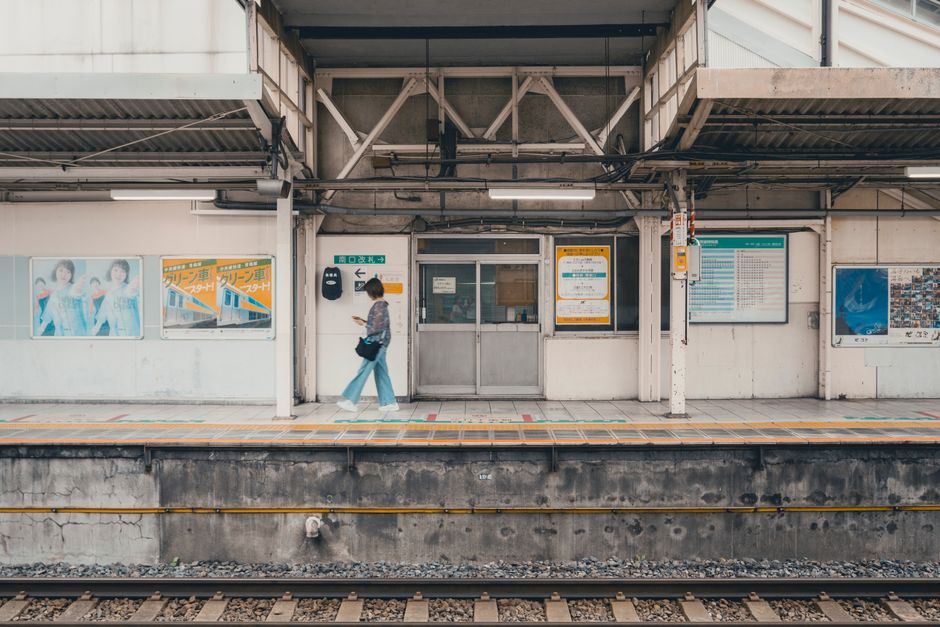
Japan’s transport network has considerably improved its accessibility in recent years. Major stations have wide lifts, tactile paving for people with visual impairments, and staff trained to assist travellers with disabilities. The Tokyo and Osaka metro systems clearly indicate stations equipped with lifts on their maps.
| Type of transport | Accessibility in Tokyo | Accessibility in Kyoto | Points to note |
|---|
| JR stations | 95% with lifts | 75% with lifts | Notify them of your arrival 1 hour in advance |
| Metro | 90% accessible | 70% accessible | Maps with clear pictograms |
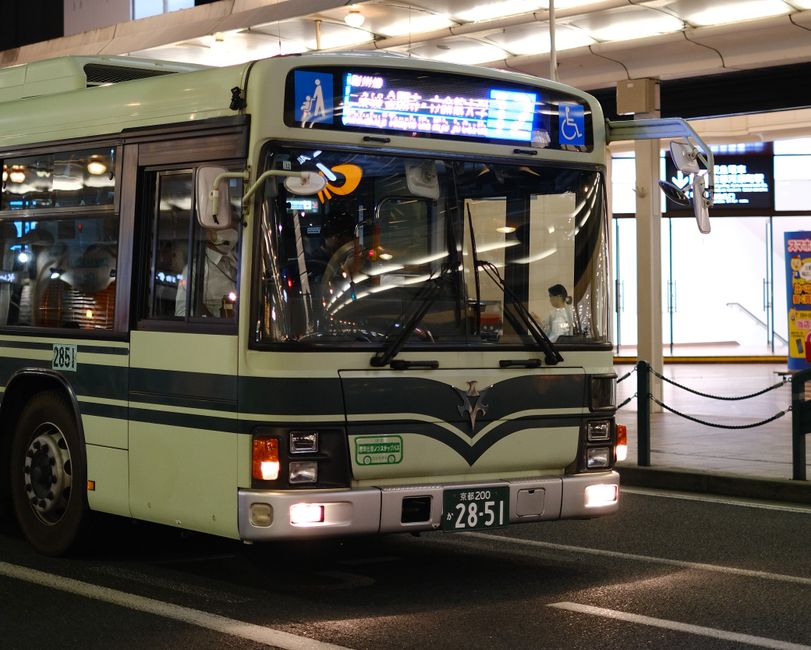
| City buses | 80% low-floor | 60% low-floor | Driver assists with boarding |
| Accessible taxis | Available by reservation | Rare; book in advance | Allow 30 minutes for waiting |
Shinkansen and long-distance trains
The Shinkansen reserves wheelchair spaces in carriages 7 to 12, with wider seats and storage space for the wheelchair. Booking these spaces is free and can be done at the station or via the JR East assistance service. Arrive at least 30 minutes before departure to benefit from the assistance of station staff, who will accompany you to your seat and install an access ramp if necessary.
Local trains also have priority spaces, but they cannot be reserved. During peak hours, choose the front or rear carriages, which are generally less crowded. To discover other accessible regions, see our guide to Hokkaido, although rural areas of the island remain less well equipped.
Accessible accommodation and facilities
International hotel chains and modern establishments offer accessible rooms equipped with adapted bathrooms, grab rails and height-adjustable beds. Chains such as Mitsui Garden, Tokyu Stay and APA Hotel generally have two to five accessible rooms per establishment. Book directly with the hotel, specifying your particular needs, as online platforms do not always display these rooms.
Traditional ryokan remain more difficult to access because of their tatami floors, narrow sliding doors and shared baths. A few newer or renovated establishments offer ground-floor rooms with an accessible private bathroom. Check on a case-by-case basis and ask for photos before booking.
Public toilets and services
Japan excels in the accessibility of its public toilets: 95% of stations, shopping centres, konbini and parks have spacious cubicles equipped with grab rails, changing tables and sometimes showers. Accessible toilets are marked with a blue international pictogram. In major cities, some are even equipped with audio systems to guide people with visual impairments.
Tourist sites and cultural venues
The accessibility of tourist sites varies considerably depending on their age. Modern attractions such as Tokyo Skytree, teamLab Planets and Disneyland Tokyo are fully accessible, with wide lifts, ramps and trained staff. Modern museums comply with accessibility standards and often offer audio guides or tactile tours for people with visual impairments.
By contrast, historic temples and shrines present more difficulties. Gravel surfaces, access steps and high thresholds limit wheelchair access. Meiji Shrine in Tokyo remains partially accessible via a side path, while Fushimi Inari in Kyoto is accessible only as far as the first torii gates. Osaka Castle has installed a lift, but the interior still contains steep staircases.
Recommended museums and cultural spaces
The Edo-Tokyo Museum, the Tokyo National Museum and the Kyoto Museum of Modern Art are fully accessible and offer adapted resources. The Hiroshima Peace Memorial is also fully accessible, with ramps and lifts allowing visitors to see the entire site. To organise your visits, see our guide to Tokyo and Kyoto.
Dining and everyday life
Modern restaurants and fast-food chains are generally step-free. Establishments such as Yoshinoya, Sukiya, Coco Ichibanya and bento restaurants have step-free entrances and well-spaced tables. Traditional izakaya, on the other hand, and small neighbourhood restaurants are often located in basements or on upper floors, with narrow staircases.
Department stores and shopping centres offer excellent accessibility, with wide lifts, adapted toilets on every floor and staff available to help. Supermarkets and konbini are accessible, but aisles can be narrow during peak hours. For everyday shopping, favour newer shops or larger branches.
Equipment hire and assistance services
Several services allow you to hire adapted equipment locally. Japan Accessible Travel offers manual and electric wheelchairs from 1,500 yen per day, with delivery to your hotel available. Major stations such as Tokyo Station and Shinjuku offer a free wheelchair loan service for the day, upon presentation of identification.
Compact WHILL electric scooters can be hired for around 4,000 yen per day and are particularly suitable for people with limited mobility. These models fit through standard doors and can be charged from a regular power socket. Book online several days in advance, especially during the peak tourist season.
Assistance at stations and on public transport
JR East’s Accessible Japan service allows you to book free assistance at the station: a member of staff will meet you, accompany you to the platform, install an access ramp and notify the arrival station. This service requires a booking at least one hour before departure, by telephone or at the ticket office. Staff generally speak English at major stations.
Practical advice for seniors
Japan is particularly well suited to seniors thanks to its cleanliness, safety and high-quality infrastructure. Public transport has priority seats which are respected, and queues are well organised. However, allow extra travel time to account for the distances involved when walking through stations and changing lines.
Traditional onsen can be difficult to access because of steps and slippery floors, but some establishments offer step-free private baths. Check before booking. On long days of sightseeing, alternate strenuous activities with periods of rest in the many accessible parks and gardens in Japanese cities. You can also read our article on the Japanese population, which looks at the ageing of society and its effects on urban planning.
Frequently asked questions
Is Japan really accessible for wheelchair users?
Yes, major Japanese cities such as Tokyo, Osaka and Nagoya are highly accessible, with 90 to 95% of stations equipped with lifts, low-floor buses and adapted taxis available by reservation. Modern attractions have ramps and lifts. However, historic temples and rural areas remain more difficult to access.
How do you book a wheelchair space on the Shinkansen?
Wheelchair spaces are located in cars 7 to 12 of the Shinkansen. Book free of charge at a JR station or via the Accessible Japan service at least one hour before departure. A member of staff will install an access ramp and accompany you to your seat. Arrive 30 minutes early to make boarding easier.
Where can you hire a wheelchair in Japan?
You can hire a manual or electric wheelchair from Japan Accessible Travel (1,500 to 3,000 yen/day), or borrow one free of charge for the day at major stations such as Tokyo Station or Shinjuku. WHILL electric scooters cost around 4,000 yen/day to hire. Book several days in advance.
Are Japanese temples and shrines accessible to wheelchair users?
Accessibility varies considerably. Modern sites such as Tokyo Skytree and Osaka Castle have lifts. However, historic temples such as Fushimi Inari and Kiyomizu-dera have gravel surfaces, steps and high thresholds. Meiji Shrine remains partially accessible via a side path.
Is Kyoto accessible for people with reduced mobility?
Kyoto is improving but remains less accessible than Tokyo or Osaka. 75% of JR stations have lifts, but many historic temples have steps and gravel. Choose modern sites such as the Museum of Modern Art or Nijo Castle, which have suitable accessibility facilities.
Can you travel around Japan easily with a pushchair?
Yes, with a compact, foldable pushchair. 90% of metro stations have lifts, 80% of buses are low-floor, and drivers help passengers board. In temples with gravel surfaces, a baby carrier will be more practical. The Shinkansen has family spaces in car 7, with no reservation required.