Which area should you choose for food in Osaka?
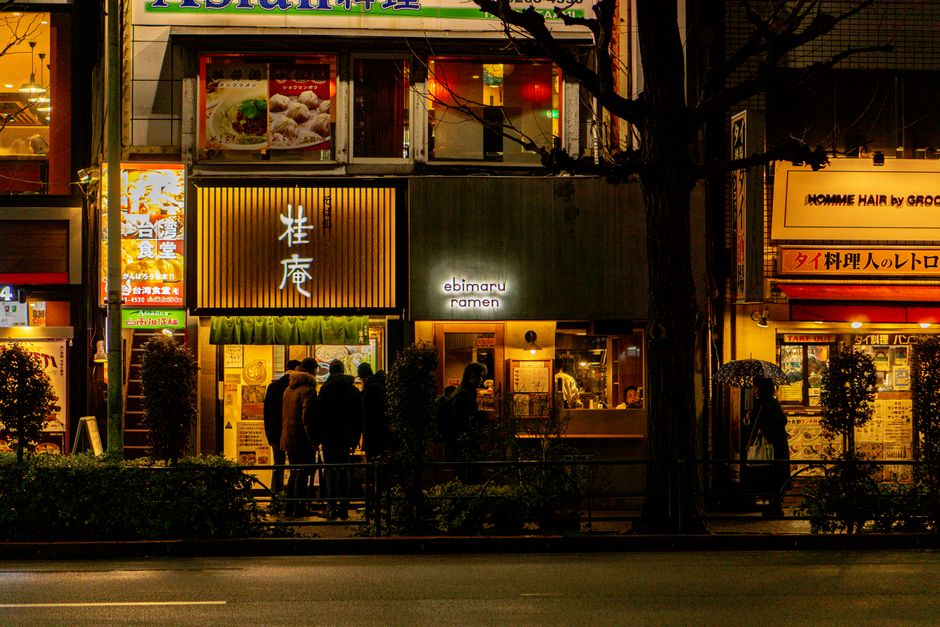
The three areas offer different experiences. Dotonbori brings together major signs, restaurants and stalls around the canal. Kuromon Ichiba is more like a covered market where you buy food to eat on the spot. Shinsekai focuses on izakaya, fried skewers and a retro atmosphere.
| Area | Best for | Specialities to look for | Atmosphere |
|---|
| Dotonbori | A first taste of Osaka | Takoyaki, okonomiyaki, ramen | Neon lights, a canal and a lively atmosphere |
| Kuromon Ichiba | A market stroll | Fish, seafood, cut fruit | Covered stalls and eating standing up |
| Shinsekai | A local, retro evening | Kushi-katsu, izakaya dishes | Popular district around Tsutenkaku |
If you are staying near Namba, Dotonbori is the easiest place to start. You can then head to Kuromon or Shinsekai depending on your energy levels and the time of day. To round off your Osaka itinerary, also plan a visit to the Kaiyukan Aquarium in Osaka, especially if you are travelling with family or in bad weather.
What should you try on Osaka’s streets?
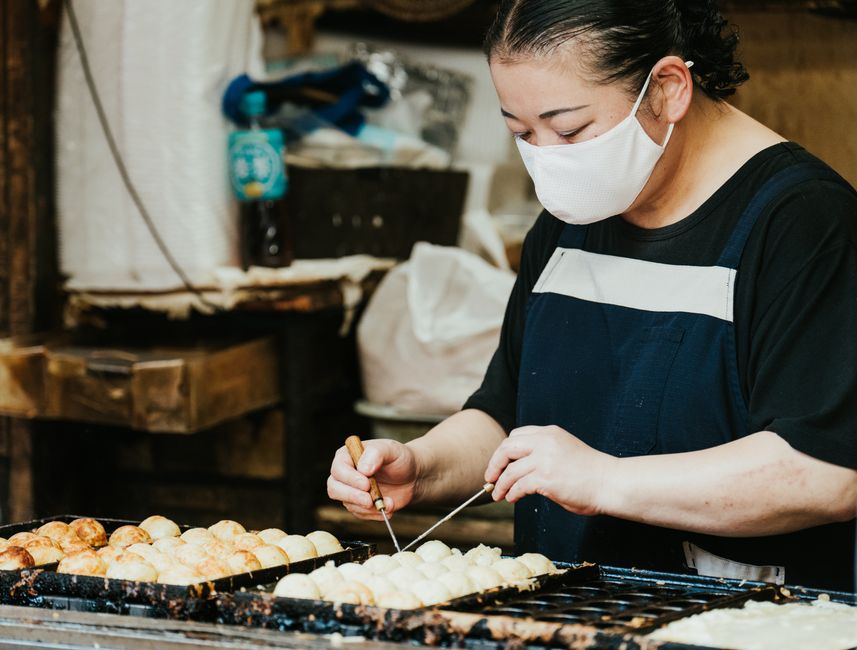
Takoyaki
These octopus-filled batter balls are one of Osaka’s culinary emblems. They are often served very hot, with sauce, mayonnaise, ginger and negi. Wait a few moments before eating them to avoid burning yourself. One portion may be enough to share for a first tasting.
Okonomiyaki
Okonomiyaki is prepared on a hotplate with cabbage, batter and, depending on the recipe, pork, seafood or noodles. Cooking and serving can take longer than a simple snack. Sit down when you want to take a proper break over a hot dish.
Kushi-katsu
Kushi-katsu are breaded, deep-fried skewers served with various fillings. Shinsekai is the area most closely associated with this speciality. In traditional establishments, the shared sauce is subject to usage rules displayed on site: check the instructions before dipping your skewer.
Market produce
At Kuromon Ichiba, the stalls let you put together a meal in several stages: grilled fish, seafood, octopus or cut fruit. Portions and prices vary from one seller to another. Look at the product, ask the price if necessary and check whether eating on the premises is allowed.
How should you organise a street food walk?
A successful route alternates tasting, walking and breaks. Avoid filling your stomach at the very first stand: portions add up quickly and you’ll want to compare several recipes.
- Start in Dotonbori to spot the signs, watch the stands and choose your first speciality.
- Have a savoury tasting such as takoyaki or okonomiyaki, then walk along the canal before continuing.
- Explore Kuromon if you’d like to see a covered market and try products sold individually or in small portions.
- Finish in Shinsekai for a more relaxed meal centred around kushi-katsu and izakaya dishes.
This route can be shortened if you’re travelling with young children, have dietary requirements or find walking difficult in the heat. To plan your stay more broadly, also consult the guide to the visa for Japan and check the conditions that apply to your situation with the relevant authorities.
Practical tips before eating street food
Carry cash and check payment methods
Large restaurants and some chains accept several payment methods, but this is not always the case at small stands. Keep enough cash for your tastings and check the amount before paying. Displayed prices may apply to a portion, a skewer or a specific quantity.
Eat on the spot without obstructing passage
Japanese street food does not necessarily mean eating while walking. When the vendor provides a designated space, use it. Otherwise, move away from the entrance and busy areas, then dispose of your rubbish in the available bins. Avoid blocking a queue with your group.
Managing queues and orders
In busy areas, a queue may form outside well-known places. Decide what you want before reaching the counter and respect the order of the queue. Illustrated menus make ordering easier, but ask for clarification if you do not recognise an ingredient or topping.
Taking allergies and dietary requirements into account
Sauces, broths, noodles and fried foods may contain ingredients that you do not immediately notice. A written translation of your allergies can help, but does not guarantee the absence of cross-contamination. In the event of a severe allergy, choose an establishment able to answer clearly and seek advice from a healthcare professional if necessary.
Combining food with a longer stay
Osaka is easy to combine with other stops in Japan. If you’re settling there rather than travelling for a few days, the guide to the steps for moving to Japan will help you distinguish the formalities for a tourist stay from those for settling in. For a winter trip, also consult the information about skiing and snow in Japan.
Before each outing, check market opening hours, closing days, product availability and access conditions. This information changes depending on the businesses and the time of year. The guide’s information serves as a reference, while the local tourist office or each establishment remains the best source for up-to-date information.
Frequently asked questions
Where can you find the best street food in Osaka?
For a first experience, Dotonbori offers the most visible choice of stands and restaurants. Kuromon Ichiba is better suited to a market stroll with fresh produce, while Shinsekai is ideal for kushi-katsu and izakaya. The best area therefore depends mainly on the atmosphere you’re looking for and the time of your outing.
What should you eat in Dotonbori in the evening?
In the evening, start with a portion of takoyaki, then choose okonomiyaki if you’d like to sit down. Ramen, seafood restaurants and yakiniku establishments round out the options. As Dotonbori is very busy, look at the menu before joining the queue and have a backup option in mind.
Is Kuromon Ichiba a covered market in Osaka?
Yes, Kuromon Ichiba is presented as a covered market where you can buy fish, seafood, octopus or fruit to eat. Arrangements vary from stall to stall: some products can be eaten on the spot, while others are for takeaway. Check each vendor’s instructions.
What is the difference between Dotonbori and Shinsekai for eating?
Dotonbori offers a lively atmosphere around the canal, with numerous establishments and a wide variety of specialities. Shinsekai has a more retro, local atmosphere, particularly associated with kushi-katsu and izakaya. Choose Dotonbori to quickly try a range of foods and Shinsekai to extend the evening over a meal.
How can you order street food in Osaka if you don’t speak Japanese?
Picture menus, displays and portions on show often make choosing easier. Point to the item you want, indicate the quantity and check the price before paying. For an allergy or dietary restriction, prepare a written statement in Japanese and ask for clear confirmation before ordering.