
Clean street in Japan

The Art of Cleanliness: Mastering Waste Disposal in Japan

Welcome to 2026. Discover the world’s most sophisticated waste-sorting system and learn to live in harmony with your neighbourhood’s rules.

In Japan, waste is sorted according to the rules of your municipality or building. The most common categories are combustible, non-combustible, recyclable and bulky waste. Check the local collection calendar, use the designated collection point and put out each bag at the scheduled time. If in doubt, keep the item and ask the municipal office, caretaker or landlord for advice.

Instructions vary from one city to another: bag type, collection day, washing packaging and handling bulky items are not standardised. To make settling in easier, also familiarise yourself with everyday life in Japan and the services offered by your municipality.

Japanese Philosophy

eSIM: online on arrival

The concept of ‘Mottainai’

At the heart of waste management in Japan is a powerful word that has no direct translation: Mottainai. This centuries-old concept expresses both regret over waste and respect for the objects around us. In 2026, this philosophy is more alive than ever, shaping not only environmental laws but also civic education from an early age.

For an expat, understanding waste sorting is not merely an administrative obligation related to their home in Japan; it is a major act of social integration. Neighbours often see strict compliance with sorting instructions as an indication of your willingness to be part of the local community.

As we explain in our guide to Japanese customs, discretion and respect for public space are fundamental. Mismanaging your waste can quickly become a source of friction with your Kanrinan (building manager) or your neighbours.

90%

Aluminium can recycling rate

45+

Sorting categories in Kamikatsu

0

Public bins in many stations

100%

Community involvement required

Decoding Waste Categories

Japan divides waste into several distinct streams. Although the names vary between municipalities, the main principles remain the same.
Fire icon

Moeru Gomi (Combustible Waste)

This is the most common category (usually collected twice a week). It includes anything that can be safely incinerated.

  • Food scraps (well drained)
  • Soiled paper, nappies
  • Small plastic items (depending on the municipality)
  • Non-recyclable used clothing

Moenai Gomi

Non-combustible waste (glass, metal, ceramics). Collected infrequently (often once a month).

E.g. light bulbs, umbrellas, small appliances.

PET bottles

A cult in Japan. They must be rinsed, with the cap and label removed (and sorted separately).
Bottle recycling

Shigen (Recyclable Resources)

Paper / Cardboard

They must be flattened and tied crosswise with vinyl cord.

Cans / Glass

Always rinse them. Do not mix steel and aluminium cans.

Tip: Check your municipal collection calendar. See public services

Sodai Gomi (Bulky Waste)

You cannot leave a sofa or shelving unit out in the street. It is a paid, scheduled process.

1. Make a booking

Call or book online with the waste treatment centre.

2. Buy a ticket

Buy a Sodai Gomi sticker at your local Konbini.

3. Put it out

Attach the ticket and put the item out by 8 a.m. on the scheduled day.

Japanese Waste-Sorting Simulator

Not sure how to dispose of something? Type its name (in French) to find out where to put it.
Kamikatsu Recycling Centre

The Extreme Case: Kamikatsu, the Zero-Waste Village

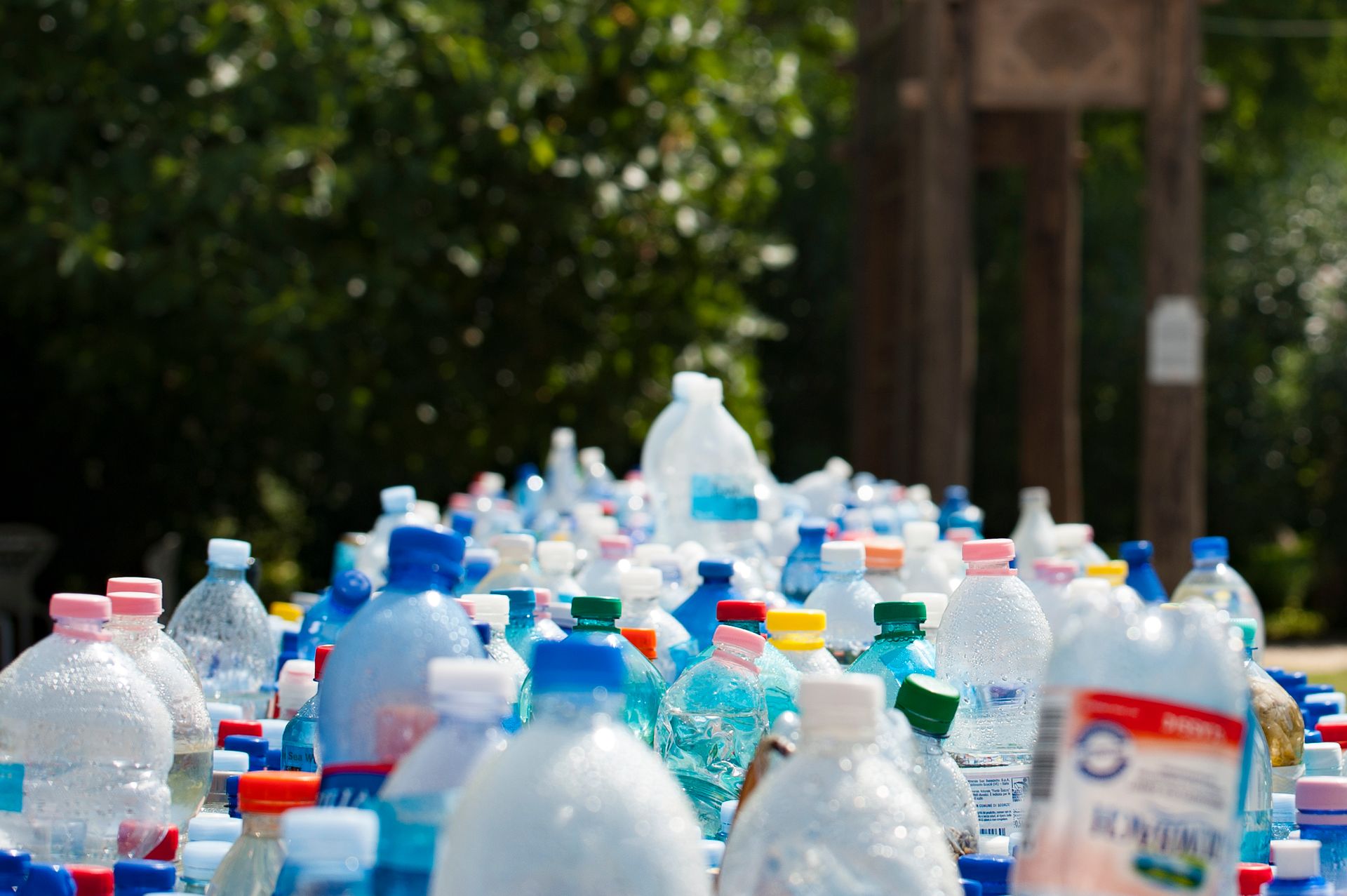
Located in the mountains of Shikoku, the village of Kamikatsu has become world-famous for its radical ambition: to become a zero-waste town. Unlike major cities such as Tokyo and Osaka, Kamikatsu residents must sort their waste into more than 45 separate categories.

No collection lorries

Each resident brings their waste to the local sorting centre. It is a social meeting place.

Total transparency

Signs show exactly what happens to each type of waste and how much its resale earns the village.

Find out more about the regions of Japan

The Mystery of the Missing Bins

One of the first things that strikes travellers and expats arriving in Japan is the almost total absence of bins in public spaces. How can such a clean country have so few receptacles?

1. A historical and security-related reason

The turning point came in 1995, during the sarin gas attack on the Tokyo underground. For counter-terrorism reasons, most public bins were removed to prevent them from being used to hide dangerous devices. Although the threat has changed, the habit has remained.

2. Individual responsibility

Japanese philosophy holds that everyone is responsible for their own waste. If you consume something in a public space, you must take the packaging home with you. This is why Japanese people very rarely eat or drink while walking.

3. The Konbini exception

If you have an emergency waste item, convenience stores (Konbini) often have bins at the entrance or inside. However, these are reserved for customers and strictly categorised.

Practical advice for expats:

Always keep a small reusable plastic bag in your rucksack to take your rubbish home during your outings.

Waste Laws and Treatment

The Legal Framework

The Japanese system is based on several fundamental laws that are regularly updated (last major revision in 2024):

  • 01.

    Containers and Packaging Recycling Law: Requires manufacturers to fund the collection and recycling of plastic containers and PET bottles.

  • 02.

    Home Appliance Recycling Law: Sets recycling fees paid by consumers when purchasing or disposing of fridges, televisions and air conditioners.

  • 03.

    Extended Producer Responsibility: Companies are increasingly encouraged to design products that are “easy to sort”.

High-Performance Incineration

As Japan has little space for landfill, incineration is the main method. But this is not simply a matter of burning waste:

Energy Recovery

The heat produced supplies district heating networks or generates electricity.

Strict Standards

Dioxin and fine-particle emissions are among the lowest in the world thanks to highly complex filtering systems.

Frequently Asked Questions

To get online as soon as you land, a Japan eSIM can be installed before you leave, with no need to look for a local SIM card.

Ready to settle in?

Waste management is just one step. Discover our other guides for a successful move to the Land of the Rising Sun.

Updated on

The first steps after your arrival

Before putting out your first bag, identify four things: the collection point, the days assigned to each category, the cut-off time and the bags accepted. This information is often provided in a document from the local authority, estate agency, landlord or building manager. It may also be displayed near the entrance or collection point.

Do not rely solely on the rules of another city. A guideline that applies in Tokyo may differ from one in a neighbouring municipality. The Japanese name of the category, the bag colour and the collection frequency must be checked locally. The guide to public services in Japan can help you identify the relevant administrative contact.

Recognising the main categories

Japanese words make communication with the local authority and neighbours easier, but their meaning always depends on local rules. The same material may be classified differently depending on its size, condition or the municipality’s policy.

CategoryCommon examplesHabit to adopt
Moeru gomiFood waste, soiled paper and permitted small itemsDrain off liquids and tie the bag securely
Moenai gomiGlass, metal or ceramic items, depending on the local authorityCheck the local list before putting an item out
ShigenPaper, cardboard, cans, glass and certain types of packagingRinse, separate and prepare the materials as instructed
PET bottlesDrinks bottles bearing the corresponding markingFollow local instructions for the cap and label
Sodai gomiFurniture and items too bulky for ordinary collectionBook the collection or use the designated system

How to prepare waste before collection

Rinse without wasting water

Recyclable packaging generally needs to be emptied of its contents. A quick rinse is often enough, but heavily soiled packaging may belong to another category. Do not force a difficult-to-clean item into a category: check the local council’s guide or ask the caretaker.

Separate the components of the same item of packaging

A container may combine several materials. Separate the parts when required by the rules: cap, film, label, lid or backing. Flatten cardboard and bundle paper according to the specified procedures. The information printed on the packaging may provide an initial indication, but does not replace local rules.

Avoid mistakes at the collection point

Put out only the category scheduled for that day and use the collection point assigned to your home. An incorrectly sorted bag may be left behind with a note indicating what needs correcting. If this happens, take it back, identify the mistake and wait for the next collection. Do not move your waste to another neighbourhood without permission.

Items that require separate handling

Some waste must not be mixed with ordinary rubbish. This particularly applies to batteries, electrical appliances, hazardous products and very bulky items. Available options may include a shop, a take-back point, a municipal collection or a specialist service.

When moving house, plan ahead for disposing of furniture and equipment. You may need to make a booking, pay for a ticket or use a take-back point. Procedures depend on the municipality and the type of item. To organise the other formalities involved in your departure or arrival, also see the information about the post in Japan.

Travelling in Japan without a bin nearby

In streets, stations and tourist sites, you will not always find a public bin. Prepare a small pouch or reusable bag to keep your packaging in until you reach a suitable disposal point. Do not leave anything beside a vending machine, bench or post.

Shops may provide a collection point for their own products, but this does not mean that every bin is open to any type of waste. Ask before disposing of packaging from elsewhere. On a train, follow the operator’s instructions and keep your waste until you reach your destination if necessary.

What should you do if you are unsure?

  1. Identify the item’s main material, size and condition.
  2. Look up its name in the municipal sorting guide.
  3. Check whether the item contains a battery, hazardous product or electrical component.
  4. Ask the caretaker, landlord, local council or collection service.
  5. Do not put the item out until its category and collection day have been confirmed.

Sorting quickly becomes routine when you keep the local calendar and a few suitable bags. To better understand neighbourhood rules and expected behaviour, you can also consult the guide to Japanese customs.

Frequently asked questions

Where can you find the waste collection calendar in Japan?

The calendar is generally available from the local council, landlord, estate agent or building manager. It may be displayed in communal areas or provided when you move in. Look for the version that exactly matches your address, as collection days and categories vary between municipalities.

Can you put your waste in a konbini bin?

A konbini bin is mainly intended for waste from purchases made in the shop. The rules may be displayed beside the bin or explained by staff. If your waste comes from elsewhere, keep it with you and ask before putting it in the bin.

How do you dispose of furniture in Japan?

Furniture generally does not come under ordinary collection. Check your municipality’s sodai gomi procedure: it may require a booking, payment or drop-off on a specified date. The landlord, caretaker or local council will tell you what to do for your address.

Are bin bags the same everywhere in Japan?

No, requirements depend on the municipality or accommodation. Some areas require designated bags, while others accept clear or semi-transparent bags. Buy them after checking the local rules, and do not assume that a bag bought in another city will be accepted.

What should you do if an item does not appear in the sorting guide?

Do not put it randomly into a bag. Look up its Japanese name, check what it is made of and contact the local council or your building manager. A battery, electrical appliance or hazardous product may come under a specific disposal scheme, even if the item is small.

To book tours and activities in Japan ahead, see the options on Klook.