To get online as soon as you land, a Japan eSIM can be installed before you leave, with no need to look for a local SIM card.
Yen banknotes and coins
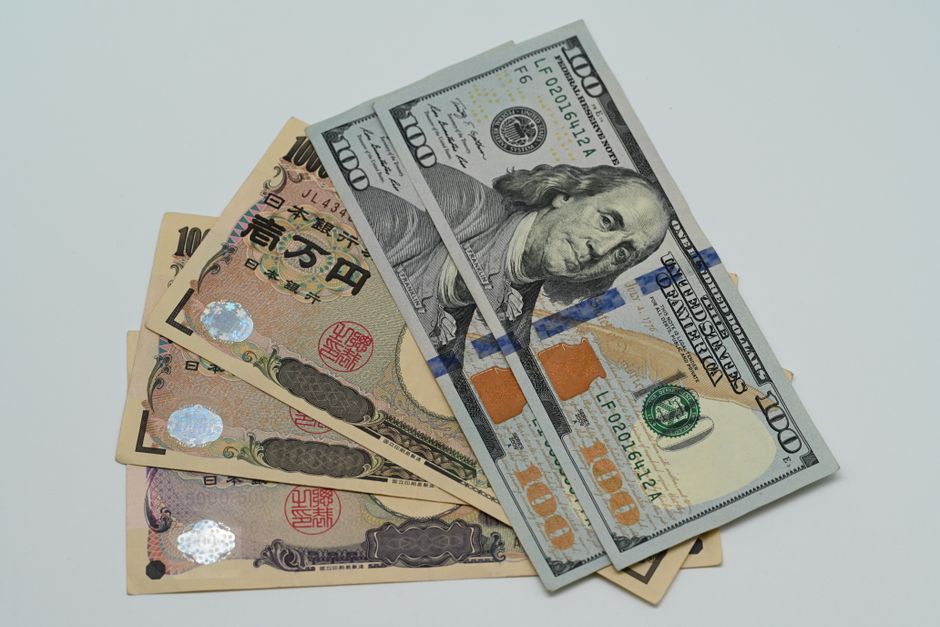
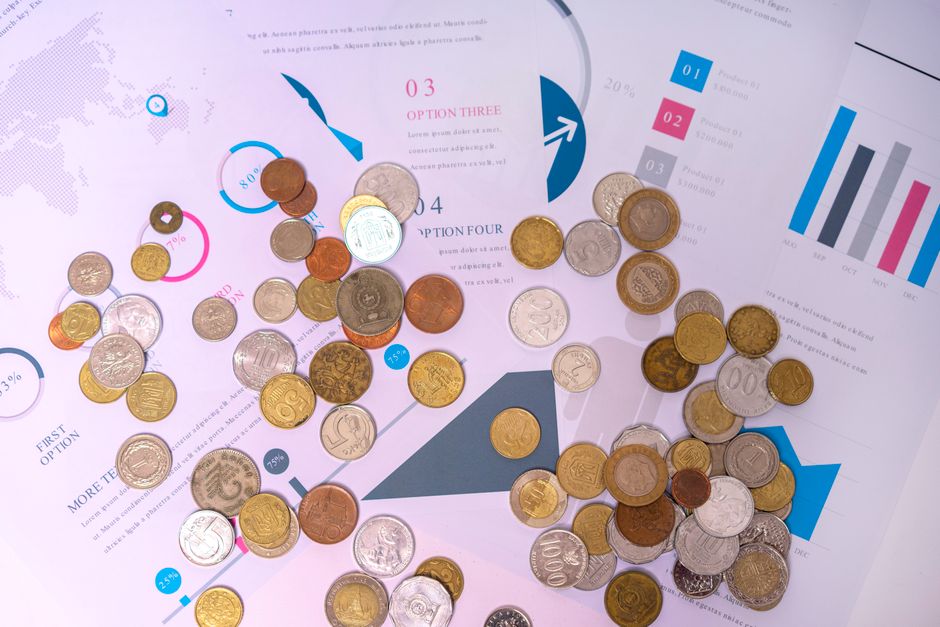
The Japanese yen is written 円 and its currency code is JPY. You will come across six coins: 1, 5, 10, 50, 100 and 500 yen. The 5-yen coins are easy to recognise by their central hole and remain associated with good luck, particularly because of their Japanese pronunciation. The 500-yen coin has the highest value.
Banknotes come in denominations of 1,000, 2,000, 5,000 and 10,000 yen. The 2,000-yen note circulates less often than the others, so do not be surprised if a shopkeeper gives you a different denomination in your change. New Japanese banknotes were issued on 3 July 2024. However, you may still come across the old notes during your stay.
| Value | Type | Practical use |
|---|
| 1 to 500 yen | Coins | Small purchases, lockers, vending machines and change |
| 1,000 yen | Banknote | Everyday expenses and small restaurants |
| 2,000 yen | Banknote | Less frequently used denomination |
| 5,000 yen | Banknote | Mid-range expenses |
| 10,000 yen | Banknote | Largest commonly used denomination |
Which yen denomination should you take to Japan?
10,000-yen notes are generally accepted in shops that can give change, but they are not always convenient for very small purchases. Keep a few 1,000-yen notes and some coins for transport, vending machines, small stalls and certain entry fees.
When you receive a banknote or coin, simply check its value and keep the different denominations separate. Wallets with compartments make payments easier, as coins can quickly build up. Japanese shops usually give change accurately: count it before leaving the counter, especially in a busy place.
How do you read a price in yen?
Prices are often displayed with the ¥ symbol or the character 円. The amount shown corresponds to the number of yen to be paid. To estimate the amount in euros, use the current exchange rate rather than a fixed mental conversion: rates fluctuate and the result may vary depending on the bank, card or exchange office.
Cash or bank card: which should you choose?
Bank cards work in many hotels, department stores, restaurant chains, konbini and tourist attractions. However, they may be refused by a small establishment, market, temple or shop that accepts cash only. A backup card and some cash can help you avoid being stuck.
Before you leave, check your bank's terms and conditions: withdrawal fees, payment fees, exchange rate and any restrictions. At the terminal, generally choose to pay in yen when several currencies are offered, then check the amount shown before confirming.
Reloadable transport cards can also be used in some shops and vending machines. Japanese mobile payment solutions are not all accessible to foreign visitors: activation may depend on your phone, bank card or a local account. To compare payment options, see the guide Mastering payments in Japan.
Exchanging euros for yen
You can obtain yen before departure, at the airport, at an exchange office or in Japan from certain establishments. Compare the amount you actually receive, the advertised fees and the rate applied: a rate advertised as advantageous may be reduced by a commission or margin.
- Check the reference exchange rate on the day of the transaction.
- Ask how much you will receive net before handing over your euros.
- Keep the exchange receipt until the end of your stay.
- Avoid exchanging your entire budget in one place without comparing rates.
Withdrawing money from an ATM may be easier than exchanging banknotes, but it depends on the network accepted by your card and the fees added together. Your French bank and the Japanese operator may each charge fees. Check their up-to-date terms and conditions before you leave.
Withdrawing money in Japan
ATMs in konbini and those operated by Japan Post are often used by travellers. Not all machines accept all foreign cards, and some have opening hours or conditions specific to their location. Look for the network symbols shown on your card and read the screen before confirming the withdrawal.
To minimise problems, bring a second card, keep your phone charged and do not carry all your money in one place. Making a withdrawal in a busy location during opening hours makes it easier to get assistance if there is a problem. If your card is retained, contact your bank and the ATM operator immediately.
Tipping and good practice
Tipping is not customary in Japan. In a restaurant, taxi or shop, pay the amount requested and take your change. Leaving money on a table can cause a misunderstanding: staff may think you have forgotten it. An envelope or gift may be appropriate in a particular situation, but does not replace the establishment's usual customs.
In traditional accommodation, take the time to understand the rules explained by the ryokan. This experience can be complemented by the guide devoted to staying overnight at a Japanese inn. For a stay including meals or activities, plan to carry cash if the provider does not clearly confirm that cards are accepted.
Checklist before you leave
- Inform your bank of your trip if required.
- Make a note of your card's limits and associated fees.
- Bring a main card and a backup option.
- Set aside some yen for your first expenses.
- Keep some small denominations and coins easily accessible.
- Keep your card, cash and important documents separately.
Expenses associated with your arrival may add to your trip budget, including taxes applicable to travellers. Check the rules currently in force in the official information and see the guide to tourist taxes in Japan in 2026.
Frequently asked questions
What is Japan's official currency?
Japan's official currency is the yen, whose symbol is ¥ and currency code is JPY. There are 1, 5, 10, 50, 100 and 500-yen coins, as well as 1,000, 2,000, 5,000 and 10,000-yen notes.
What are the Japanese yen denominations?
Japanese banknotes are available in 1,000, 2,000, 5,000 and 10,000 yen. Coins range from 1 to 500 yen. The 2,000-yen note is less common, while small coins are useful for low-value purchases and vending machines.
Can you pay by bank card in Japan?
Yes, cards are accepted in many hotels, department stores, chains and tourist attractions. However, they may be refused by some small shops, restaurants or temples. So keep some cash and check the fees and limits with your bank.
Should you exchange euros for yen before leaving?
It is not compulsory, but having a small amount of yen can be useful on arrival. Compare the rate and fees offered by your bank, exchange offices and ATMs. Do not exchange your entire budget without checking the net amount you will receive.
How much cash should you budget for Japan?
The amount depends on your itinerary, accommodation and the establishments you visit. Keep some cash in reserve for places that do not accept cards, without carrying your entire budget. Top it up with gradual withdrawals and keep a backup payment method.