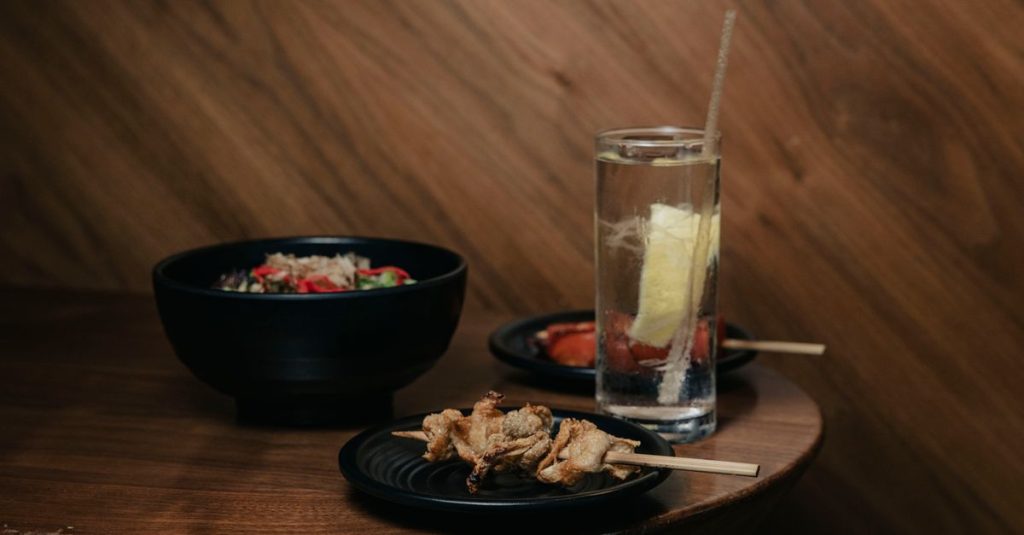
Yakitori: Chicken Skewers, Cuts and Best Places to Eat
Discover yakitori in Japan: chicken skewer cuts, charcoal grilling, tare sauce, ordering tips and how to find good restaurants.
Yes, January can be an excellent month to travel to Japan, provided you choose your stops according to the climate and take the Japanese New Year into account. The north and mountainous regions see more snow, while Tokyo, Kyoto and Osaka generally have a drier winter, with cold days and cool evenings. Okinawa, further south, has a different climate, but does not correspond to a classic beach holiday at this time of year.
A trip to Japan in January also needs to be planned around the calendar: the New Year festivities change the atmosphere of the cities and may lead to closures or heavy visitor numbers at certain sites. In return, this season offers the chance to discover shrines, snowy landscapes, winter specialities and onsen in winter. Here are the points to anticipate when putting together a realistic itinerary and enjoying the country without confusing weather, snow and seasonal traditions.
In brief
Winter weather in Japan cannot be summed up by a single national trend. The country stretches from the cold north to the southern islands, and its terrain creates major differences between plains, coasts and mountainous areas. It is therefore more useful to check the forecast for each stop than to rely on a general average or an overall impression of the country.
In Tokyo, Kyoto and Osaka, January is often cold, but the days can be bright and relatively dry. The cold is felt particularly in the morning and evening, while sunny streets remain pleasant for exploring on foot. Heated interiors, frequent transitions between outdoors and the metro, and long walks make layers more practical than wearing one very heavy coat throughout the day. For a broader comparison of destinations, see our guide to cities in Japan.
In the northern regions and mountain ranges, conditions are harsher and snow can affect travel. A road, rail connection or excursion depending on the weather may require more flexibility than an urban programme. Before setting out for a valley, village or viewpoint, check local conditions and any disruption with the relevant operators.
The south of the country offers a different picture. Okinawa has a milder climate than the large northern islands, but January should not automatically be treated as swimming season. To plan a regional trip, the page on weather and seasons in Japan helps you compare periods and areas before fixing your route.
Winter light can also influence your sightseeing. Days are shorter than in the warmer seasons: it is better to visit gardens, observation decks and outdoor promenades early in the day, then keep museums, shopping arcades and restaurants for late afternoon. This organisation reduces unnecessary journeys and avoids arriving at an outdoor site after dark.
The table below provides qualitative guidance, not a forecast. Conditions change from year to year and from one locality to another; check weather bulletins and official transport information immediately before each journey.
| Area | What to expect in January | What to plan for |
|---|---|---|
| Tokyo, Kyoto and Osaka | Cold winter, often suitable for urban sightseeing | Layered clothing and protection from the wind |
| Northern Japan and the mountains | Snow and harsher conditions possible | Suitable footwear and extra time for journeys |
| Okinawa | Milder climate than in the north | Light jacket and realistic expectations about swimming |
To choose a period according to your priorities, compare January with the other seasons using our guide to the best time to visit Japan. In January, the key is not to look for uniform weather, but to select regions suited to the type of trip you want.
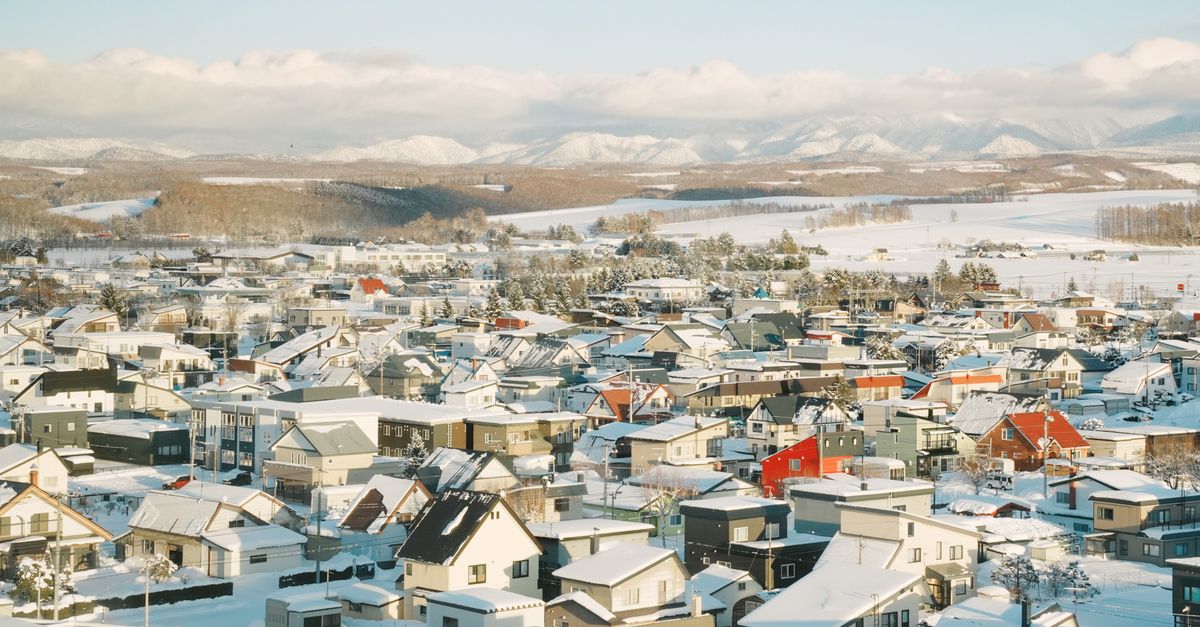
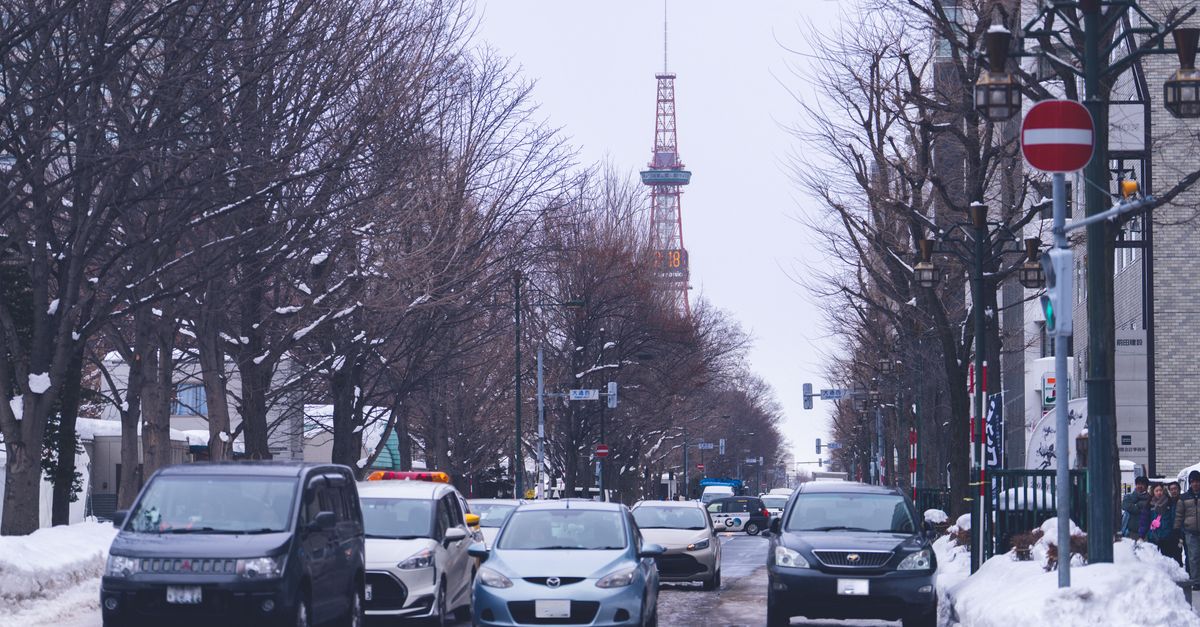
Snow in Japan draws travellers to the northern regions and mountain areas, where it can shape both the scenery and the activities. However, it is neither guaranteed in every city nor present in the same way every year. A trip focused on Tokyo or Osaka therefore does not offer the same chances of seeing snowy landscapes as a route aimed at the north or the Japanese Alps.
Japanese ski resorts are an option for travellers who want to enjoy winter sports. Your choice should not be based solely on photographs of powder snow: check snow conditions, opening dates, access from your departure city and the services available during the period you are considering. Timetables, prices and rental arrangements may change; consult the resorts’ official information directly before booking. Our guide to skiing in Japan can help you compare the options.
For a trip without skiing, snow can be a visual and cultural experience. Villages, gardens and mountain landscapes take on a different appearance beneath the white blanket, but roads and paths may become slippery. Shoes with grippy soles and an itinerary that avoids overly tight connections make visits more comfortable. Once there, follow safety instructions rather than venturing onto a closed or poorly maintained trail.
An itinerary combining a major city with a snowy region offers a good balance. You can spend part of the trip visiting museums, shopping districts and urban food spots, then travel to a mountain destination if conditions and transport allow. It is preferable to keep a spare day before a flight or an important booking: winter disruption is possible, and a missed connection can throw off the entire end of your trip.
Travel needs to be considered across the whole route. Trains are convenient on many lines, but a mountain destination may require a bus or shuttle, whose frequency varies according to the location and season. Consult the guide to getting around Japan to understand the options, then check updated timetables with the operators. As schedules and services can change, do not rely on outdated information.
A snowy getaway also means planning your equipment without overloading your luggage. If you ski, find out about equipment rental at your destination and the rules for transporting gear. If you do not take part in winter sports, warm clothing, gloves and good protection against damp are often enough to enjoy a walk, subject to local conditions.
Snow enriches a trip when it is incorporated into a flexible itinerary; it becomes a constraint if the entire programme depends on one journey or one day of good weather.
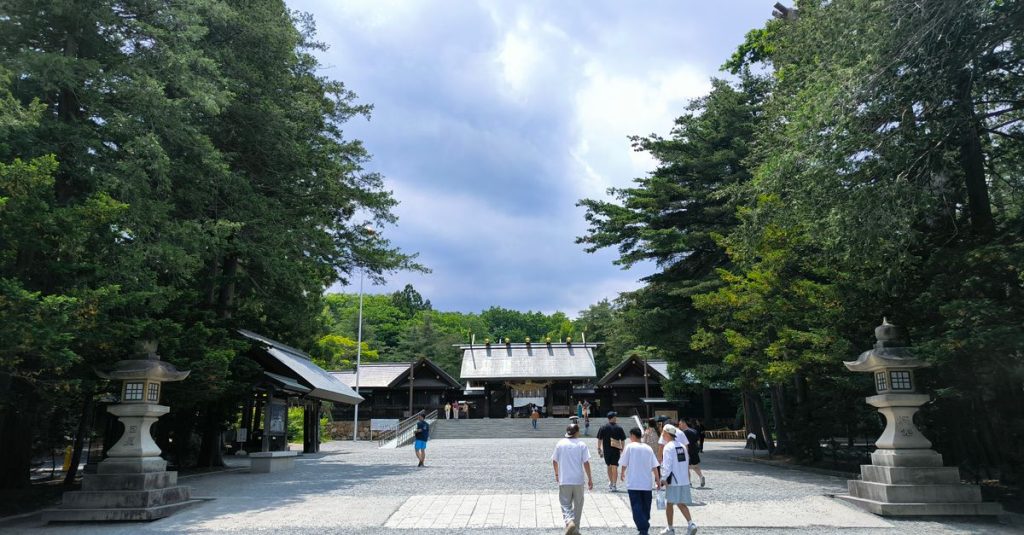
The Japanese New Year is an important period in family and cultural life. The first days of the year are associated with visits to shrines and temples, a practice called hatsumōde. The best-known sites can attract large crowds, changing the pace of a visit: you may need to queue, follow a marked route and accept a livelier atmosphere than at an ordinary time of year.
This level of attendance does not mean that every attraction is closed. However, some independent shops, restaurants and services may adjust their opening hours, while major tourist sites follow their own calendars. Opening arrangements vary according to the establishment and date; check official announcements before building your day around a particular museum, restaurant or small shop.
New Year celebrations can also be discovered through everyday customs. Families get together, seasonal decorations appear and traditional meals take on a special importance. Menus and habits vary between households and regions: it is better to approach them as living traditions rather than expect an identical experience everywhere in Japan. To sample seasonal specialities and understand regional differences, the guide to Japanese cuisine can complement your visits.
At shrines, respecting the instructions is essential. Visitors generally follow the indicated route, avoid blocking passages to take photographs and observe the customs displayed at the entrance. You do not need to master every ritual to visit; watching how those present behave and reading the information on site will help you act appropriately.
Transport may also be busier around periods of family travel. If your arrival coincides with the festivities, confirm your bookings and keep transport information close at hand. For a trip passing through several cities, it is better to check connections and availability before fixing the stops rather than rely on last-minute improvisation.
Finally, New Year can change the atmosphere of neighbourhoods. A shopping street that is normally very lively may be quiet at certain times, while a local shrine becomes the centre of community life. This alternation is part of the appeal of a January trip: the period lets you observe Japan from an angle less focused on the classic tourist seasons.
To continue discovering local traditions and events, also see the guide to matsuri and festivals in Japan. In January, the best approach is to plan visits carefully while leaving room for observation and changes in atmosphere.
Tip: set up a Japan eSIM before departure so your data works on arrival.
Warm clothing is essential for travelling in Japan in January, but the aim is to adapt rather than wear thick clothing all the time. A comfortable base layer, an insulating garment and a windproof jacket allow you to adjust your warmth between the street, transport and heated venues. A scarf, gloves and suitable socks are particularly useful during extended outdoor visits.
Your choice of footwear depends on your programme. In cities, choose a comfortable pair for long walks that is easy to remove when the places you visit require it. In a snowy region, soles with good grip matter more than appearance. If you plan a day of skiing, prepare your equipment according to the resort’s instructions and do not assume that city shoes will be suitable for every surface.
Layering also prevents overheating indoors. Shops, trains and restaurants may be heated, while an outdoor walk remains cold. A light bag lets you store a removed layer and keep useful accessories close at hand. Travellers who need to buy items locally can find ideas in the guide to shopping in Japan, but sizes and stock are not guaranteed everywhere.
Short days call for simple organisation. Group visits within the same neighbourhood, plan journeys in advance and arrange an indoor activity in case of rain or particularly cold weather. It is also sensible to keep your accommodation details and booking references to hand, especially when a programme includes several stops and connections.
Your budget deserves a specific check, as prices vary according to dates, cities, accommodation type and the services selected. To prepare an estimate, consult recent information rather than reusing figures from an old travel diary. The guide to the cost of living in Japan helps distinguish the different spending categories, but changing prices must be confirmed with the relevant establishments or organisations.
Entry formalities may also change. Check the requirements applicable to your nationality with the relevant authorities before departure, particularly if your stay goes beyond an ordinary tourist trip. The page on passports and visas for Japan is a useful starting point, but current rules must always be confirmed with the official body.
Finally, do not overload every day. Cold weather, temperature changes and travel can make an overly busy programme tiring, even in a well-connected city. Leaving some spare time is not wasted time: it allows you to change the order of your visits and enjoy a sunny day or an unexpected discovery.
The best itinerary depends on the priority of your trip. For a first visit, the major cities provide a straightforward base: they combine historic districts, museums, restaurants and frequent transport. A route between Tokyo, Kyoto and Osaka may suit travellers who want to discover several sides of the country without devoting the entire trip to winter activities. The page dedicated to a first trip to Japan helps you consider the balance between stops and travel.
Travellers drawn to snow can add a mountain region or northern destination, but this stop should not be treated as a simple detour. Journey times, connections and travel conditions matter just as much as the distance on a map. When roads or trains are disrupted, a day planned for an excursion may be cut short; a programme with fallback options is therefore more robust.
For hot baths, accommodation with an onsen in winter can be a destination in its own right. An onsen is a bath supplied by a hot spring, and each establishment has its own access and operating rules. Check these instructions before your stay, particularly if you have specific needs or are travelling with children, and do not confuse a thermal bath with an ordinary heated swimming pool. You can also review our guide to onsen etiquette.
Here is one way to choose without imposing a single itinerary:
Your departure date and bookings affect the budget as much as your destination. Flight and accommodation prices fluctuate; check updated fares and compare cancellation conditions before paying. The guide to when to book a flight to Japan can help organise this research, without replacing a check of the offers available for your dates.
For trains, compare the actual cost of the journeys you plan before buying a pass. Conditions of use and fares may change; check the information with official operators while preparing your trip. A compact itinerary may be more enjoyable than a succession of long journeys, especially in winter, when the weather can sometimes require you to rearrange your travel.
January rewards travellers who choose a clear priority: cities, snow, traditions or hot springs. By combining an easily accessible base with a well-prepared seasonal stop, you can get more from the month without expecting the whole of Japan to have the same appearance.
Yes, if you enjoy winter and adapt your itinerary to regional conditions. The major cities are suitable for sightseeing, while the northern regions and mountains offer opportunities to look for snow.
No. Snow is more closely associated with the north and mountainous areas, while the major cities in central and southern Japan have different conditions. Check local forecasts for each stop.
Opening hours depend on each establishment. Some shops and services may adjust their operations; check the announcements of the places you want to visit directly.
Bring warm clothes that can be worn in layers, a windproof jacket, and accessories such as gloves and a scarf. For a snowy region, choose shoes with good grip.
To book tours and activities in Japan ahead, see the options on Klook.
Updated on 26/11/2026
Scroll to see more articles →