Japanese Curry: History, Varieties and Where to Eat It
Discover Japanese curry’s history, essential varieties and where to enjoy it in Japan or France, from kare raisu to katsu curry and curry udon.
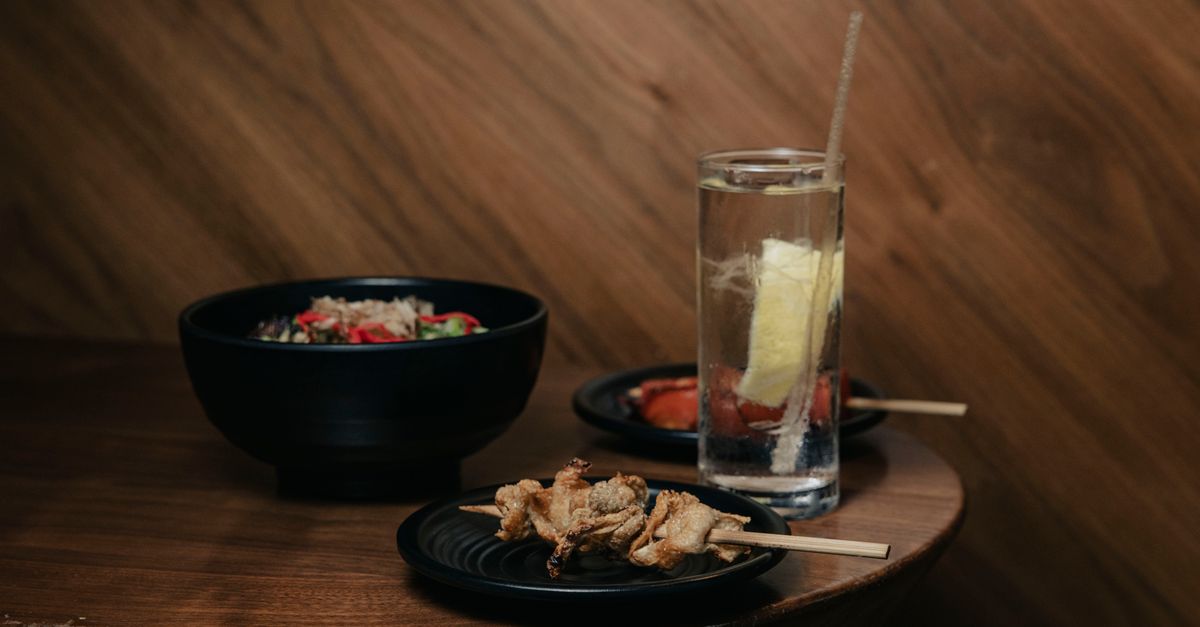
Yakitori refers to grilled chicken skewers, but the term covers a wide variety of cuts, textures and seasonings. In a Japanese restaurant, you can order meat simply seasoned with salt, a skewer coated with tare sauce or less familiar pieces such as heart or skin. The pleasure comes as much from charcoal cooking, which creates a golden surface and smoky flavour, as from the precision of the grilling: each piece must remain tender without losing its flavour.
When choosing, it is better to view the menu as a tasting journey rather than simply a list of chicken skewers. Lean cuts, fattier parts and offal offer different experiences; tare sauce, often sweet and salty, also differs from salt seasoning, which lets the grilled chicken speak for itself. In Japan and elsewhere, menus and recipes vary from one establishment to another. Here are the essential points for understanding yakitori, ordering it and finding good places without judging them solely by appearances.

Yakitori is a skewer cooked on a grill, usually made with chicken, although the cuts and preparations vary from one menu to another.
Salt brings out the flavour of the meat; tare sauce adds a richer, sweet and salty note.
To discover several textures, order lean cuts, a fattier piece and, if you eat them, a speciality such as heart or skin.
A good place is usually recognisable by a clear menu, skewers cooked to order and food served hot.
In an izakaya, yakitori often accompanies other dishes to share. To explore this way of eating, see our guide to izakaya, Japanese pubs.
Menus distinguish skewers by the part of the animal rather than by a single recipe. Breast is relatively lean, and its success depends on careful cooking; thigh, with more marbling, generally remains tender and juicy. Skin, when grilled until crisp, offers a very different sensation from a skewer of boneless meat.
Some establishments also offer offal, such as heart or liver, as well as mixtures of minced meat shaped around a skewer. Their availability and names vary between restaurants. If the menu is not translated, asking the staff which part is being served is more reliable than assuming that the same term means exactly the same preparation everywhere.
An assortment lets you compare textures without ordering several identical portions. You can start with thigh, then try a lean piece, followed by a fattier skewer or offal according to your preferences. This progression helps you notice how fat, the degree of grilling and the seasoning affect each cut.
| Type of skewer | Texture or flavour | Seasoning to try |
|---|---|---|
| Thigh | Tender and flavoursome | Salt or tare sauce |
| Breast | Leaner, delicate flavour | Salt, to preserve its simplicity |
| Skin | Fatty, sometimes crisp | Salt or tare, depending on the cooking |
| Heart or liver | More pronounced texture and flavour | Ask which seasoning is available |
| Minced meat | Soft, sometimes shaped into meatballs | Often served with a sauce |
Names, recipes and accompaniments are not standardised: the restaurant menu remains the best reference. The appeal of an assortment is precisely to discover these differences, rather than reducing yakitori to a single chicken skewer.
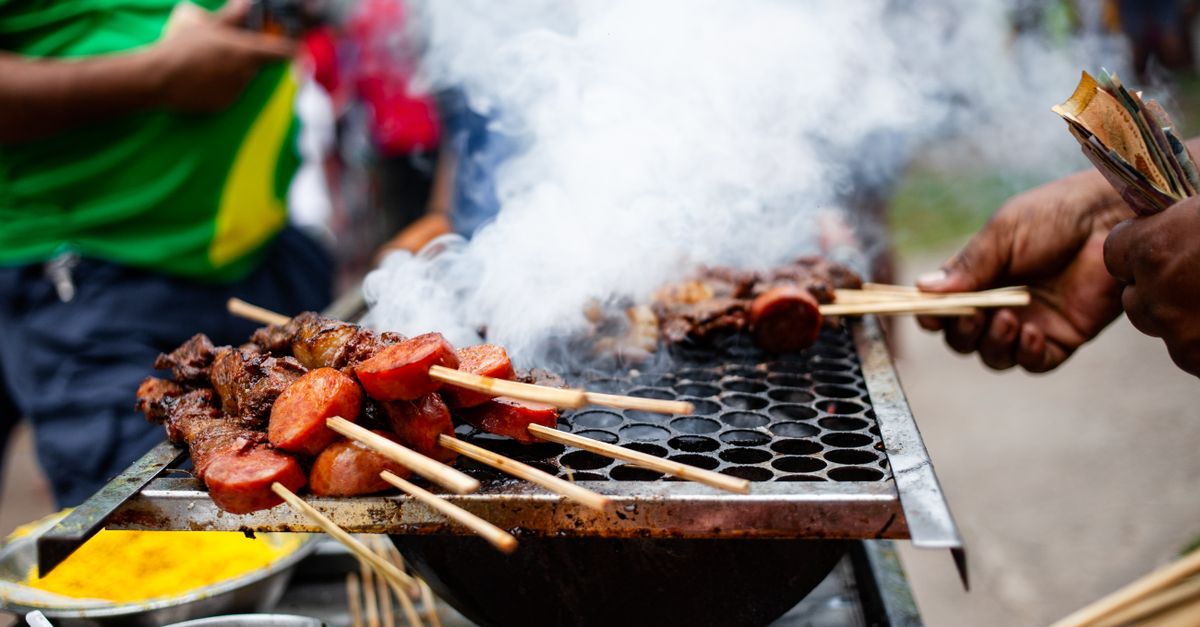
Charcoal cooking contributes to yakitori’s character. Direct heat colours the surface and can add smoky notes, while the size of the pieces and their proximity to the embers influence how quickly they cook. The aim is not simply to brown the meat: the skewer should remain pleasant to eat and not become dry.
The choice between salt and tare noticeably changes the tasting experience. Salt highlights the chicken’s natural flavour and works well with delicate or already rich cuts. Tare is a seasoned Japanese preparation, often associated with a sweet and salty balance; the restaurant may brush it onto the skewers during cooking or just before serving.
The word “marinade” needs some qualification: not every skewer is marinated for a long time before being grilled. A preparation may be seasoned with a Japanese marinade, but some pieces are simply salted or coated with tare. To appreciate each cut’s own flavour, try a plain skewer before choosing stronger sauces.
Cooking also affects the order in which the skewers are best enjoyed. Starting with mild flavours and then moving on to fatty pieces or skewers coated with tare prevents intense seasonings from immediately dominating your palate. A well-controlled grill and a hot plate often contribute more to quality than a long and spectacular menu.
To get online as soon as you land, a Japan eSIM can be installed before you leave, with no need to look for a local SIM card.
In a specialist restaurant, ordering a few different skewers helps you understand the menu. Japanese names may refer to a precise part or a particular preparation; when no translation is available, asking what the skewer contains is a simple and useful approach, especially for offal or minced-meat recipes.
A practical order is to choose a thigh skewer, a lean piece, then a fattier option or a speciality. You can ask for some skewers with salt and others with tare to compare how the seasonings affect the same type of meat. Quantities and the ordering process vary by establishment, however: check the menu and displayed instructions rather than assuming that one system applies everywhere.
Yakitori often appears among the dishes served at an izakaya, where several preparations are shared during the meal. It may therefore be served alongside grilled vegetables, rice or other Japanese specialities. To broaden your tasting experience in Osaka, takoyaki, octopus balls associated with the city, offer another glimpse of Japanese cuisine, with a very different texture and preparation method.
A drink can complement the meal, but it is not necessary to enjoy the skewers. If you would like to learn more about sake, see our article on its production and main stages. The key is to choose a drink that accompanies the meal without masking the differences between the cuts. You can also explore our guide to Japanese cuisine for more ideas.
Good yakitori restaurants are not defined solely by a well-known name or traditional décor. First look for a menu that specifies the cuts and distinguishes between seasonings. An open grill may let you observe the cooking, but it does not guarantee quality on its own: freshness, consistent cooking and the way staff answer questions also matter.
Specialist restaurants often focus on skewers, while an izakaya offers a wider choice of small dishes and drinks. The former suits a meal centred on grilled chicken; the latter allows you to put together a varied meal. In both cases, the menu provides useful clues: clearly identified cuts make choosing easier, especially if you want to avoid certain types of offal or ingredients.
In Tokyo, Kyoto, Osaka and Hiroshima, the options vary according to the neighbourhood and type of restaurant. When planning an itinerary, the pages in our Tokyo guide, Kyoto guide and Osaka guide can help organise your visits; they do not replace checking opening hours, menus and admission arrangements with each establishment, as this information may change.
Finally, adapt your choice to your dietary habits. If you avoid pork, offal or certain seasonings, ask about the ingredients before ordering: a sauce may contain several ingredients, and its name alone is not always enough to identify them. A good place is also one where you can receive a clear answer and make an informed choice.
The term mainly refers to grilled chicken skewers. Menus may offer several parts of the animal and different preparations; check each item with the restaurant.
Salt seasons the skewer without covering the meat’s flavour as much. Tare is a Japanese sauce that is often sweet and salty, giving the skewer a more pronounced taste.
An assortment of thigh, breast and a fattier piece lets you compare textures. You can ask the staff to explain the cuts available before ordering.
Charcoal cooking is characteristic of many yakitori preparations, but methods can vary from one establishment to another. If this matters to you, ask how the skewers are grilled.
To book tours and activities in Japan ahead, see the options on Klook.
Updated on 28/11/2026
Scroll to see more articles →