
Yakitori: Chicken Skewers, Cuts and Best Places to Eat
Discover yakitori in Japan: chicken skewer cuts, charcoal grilling, tare sauce, ordering tips and how to find good restaurants.
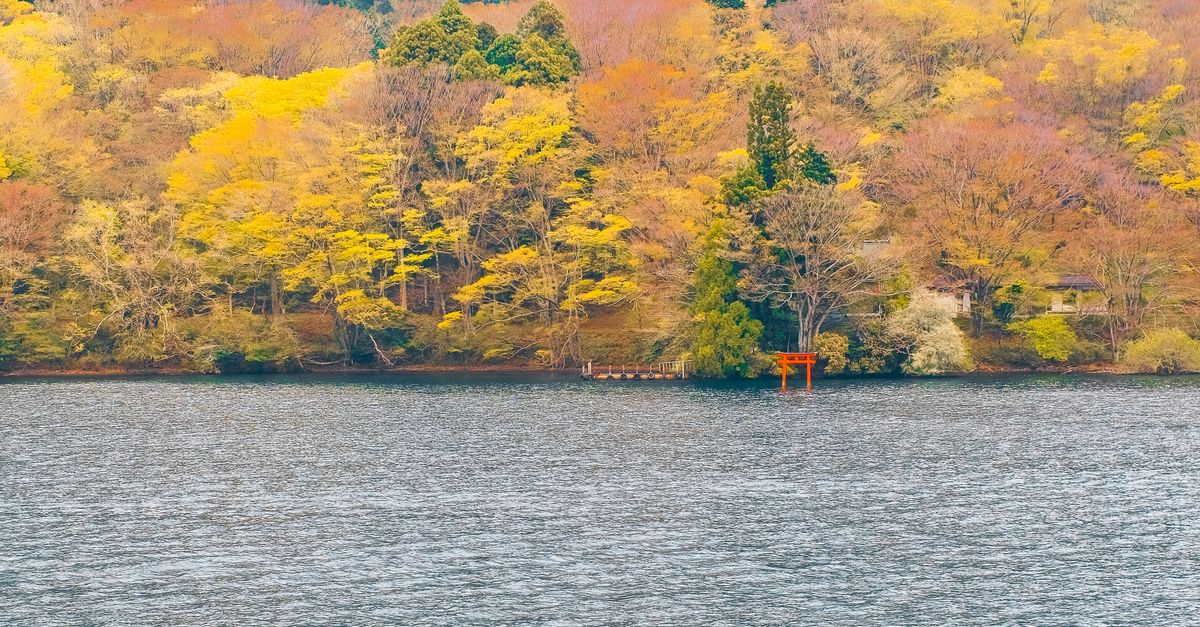
Hakone Shrine is famous for its red torii gate standing at the edge of Lake Ashi, an iconic gateway that seems to float on the water. Nestled in a wooded setting, this active Shinto shrine combines a living place of worship with one of the most recognisable landscapes in the Hakone region.
In brief

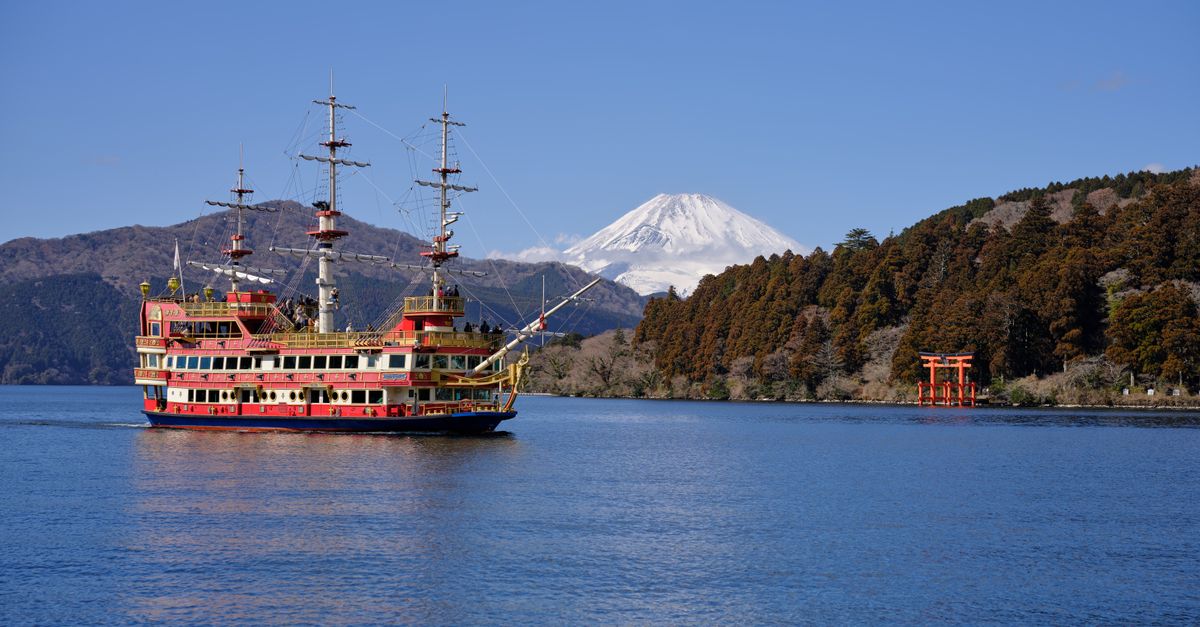
On the shore of Lake Ashi, Hakone Shrine’s large red torii stands out against the water and mountains. Seen from the shore, it appears to rest on the lake’s surface: this perspective is why it is often called the floating torii. The gateway marks the link between the ordinary landscape and the shrine’s sacred space, following symbolism familiar in Japanese culture.
The torii is particularly photogenic when the lake is calm, but the panorama depends on the conditions on the day. Mist may hide the surrounding peaks, while a clear sky reveals more of the shores and mountains. Mount Fuji may sometimes be visible in the region, but you should not regard a view from the torii as guaranteed: visibility varies with the weather and your viewing point.
To appreciate the site, do not reduce your visit to a photograph taken from the shore. Take time to observe the relationship between the gateway, the water and the forest, as well as the contrast between the red timber and the changing landscape. This composition explains why the site has become a powerful image of tourism in Japan, while remaining a place of religious practice.
Visitors wishing to plan their stop can consult the guide to Hakone and its main attractions. The torii is only a starting point: the shrine’s appeal also lies in the path leading to its wooded areas and in the atmosphere surrounding it.
Hakone Shrine is more than its gateway by the lake. Moving away from the water, you enter a shadier environment, where trees and paths create a gradual transition towards the place of worship. Entering through the forest gives the visit a different rhythm from a simple scenic stop: your attention shifts from the open landscape to the shrine’s details.
At a Shinto shrine, torii gates signal passage into a space associated with the sacred. They are not merely decorative features. Their presence invites you to adjust your behaviour: speak more quietly, keep passageways clear and observe the customs of people who have come to pray. For visitors, respecting the site matters as much as discovering its architecture.
Prayer gestures and shrine arrangements may be unfamiliar to travellers discovering Japanese culture. It is better to discreetly observe local practices than to imitate them without understanding their meaning. Signs displayed on site take priority, particularly in areas where photography or movement may be restricted.
This spiritual dimension gives the Lake Ashi torii another meaning. The gate looks spectacular in photographs, but becomes more meaningful when considered as part of a religious and natural setting. To extend your stay in the region, you can combine a visit with a break at a hot-spring establishment; information about onsen in Hakone can help you plan this stop without confusing relaxation with a shrine visit. You can also review onsen etiquette before going.
The view over the lake depends first of all on the weather. In clear conditions, the outlines of the mountains are easier to distinguish; in rain or mist, the panorama becomes softer and the colours of the torii may sometimes stand out more strongly. Mount Fuji is visible only when the conditions and angle are right: it is better to plan your visit around the shrine and lake rather than count on seeing the famous peak. For broader seasonal planning, see our guide to Japan’s seasons and weather.
Visitor numbers also affect how you experience the site. During very busy periods, many visitors may gather near the gate, making photography and quiet contemplation more difficult. Arriving at a less crowded time can offer a calmer experience, but transport timetables, access conditions and any instructions may change. Check them with the relevant official organisations before travelling.
The time available matters as much as the weather. If Hakone is part of a tight itinerary, allow extra time to reach the shrine, explore its surroundings and wait for a possible break in the clouds. Getting around the region may involve connections; the guide to transport in Japan helps you plan journeys as a whole, but does not replace checking local information on the day of travel.
There is therefore no single best time. It depends on the balance you are seeking between quiet, light and itinerary constraints. A successful visit leaves time to look at the site, rather than treating the torii as simply a photographic stop.
| Factor to consider | What it changes | Practical advice |
|---|---|---|
| Weather | Mist and clouds alter the view over the lake and mountains. | Have a backup plan if the panorama is obscured. |
| Visitor numbers | Passing near the torii may be less straightforward. | Avoid blocking paths to take a photograph. |
| Transport | Connections affect the time you actually have available. | Check timetables and access with the official operators. |
To book tours and activities in Hakone ahead, see the options on Klook.
Tip: set up a Japan eSIM before departure so your data works on arrival.
The red torii naturally attracts photographers, but a few simple habits let you take pictures without inconveniencing others. Keep access routes clear, wait your turn when a viewpoint is occupied and avoid entering prohibited areas to obtain an unusual angle. The area around the shrine is a place for visiting and reflection, not merely a backdrop.
To vary your images, change your distance rather than looking only for a straight-on close-up. A wider view can show the gate, lake and mountains in one composition; a closer frame highlights the torii’s colour and structure. Changing light also transforms reflections: waiting a few minutes can alter the appearance of the water without needing to take countless photographs.
The Japanese landscape is often understood through the combination of its elements: water, vegetation, architecture and relief. At Hakone Shrine, this harmony is an essential part of the experience. A photograph can preserve a trace of it, but it cannot replace the silence of the forest or the sense of the lake’s scale from the shore.
Photography rules may vary between areas and events. Follow the instructions displayed on site and ask staff for advice if a situation is unclear. This consideration is particularly important near prayer areas, where not everyone is there as a tourist.
Hakone can be a stop between major cities or a destination in its own right, depending on the pace of your trip. The shrine is well suited to a day devoted to the lake and surrounding landscapes, but it is better not to pack in so many activities that the visit is reduced to a few minutes. The region also offers different experiences, particularly around its hot springs and viewpoints, whose organisation depends on the transport you choose.
To build a coherent route, adapt the time devoted to Hakone to the number of stops in your itinerary. A short trip requires choices; a longer circuit lets you adjust the programme according to the weather. The 10-day Japan itinerary and two-week Japan itinerary can help you consider where to place the region, without guaranteeing the same route for every traveller.
Before setting off, check information that may change, such as transport timetables, access conditions and any restrictions. Local official guidance is the reference for these details. To plan other stops, the guides to travelling in Japan can help put Hakone into perspective alongside the country’s cities and regions.
The shrine reveals its full character when you take time to connect its different dimensions: torii gate, place of worship and lakeside panorama. It is this combination, rather than one famous image alone, that makes the stop memorable.
It stands on the shore of Lake Ashi in the Hakone region. It marks the symbolic entrance to the Shinto shrine and offers an iconic view over the water and mountains.
Visibility of Mount Fuji depends on the weather, mist and viewing point. Its presence in the region does not guarantee that it will be visible from the torii during your visit.
The duration depends on your pace and the other stops planned around the lake. Allow time to explore the shrine grounds and surroundings, then check transport conditions before setting off.
No. It is an active Shinto shrine visited both by people who come to pray and by tourists. You should therefore respect worship areas and the instructions displayed on site.
Updated on 25/11/2026
Scroll to see more articles →