
Shirakawa-go: Visit the Gasshō-Zukuri Village
Discover Shirakawa-go, a UNESCO-listed Japanese village with gasshō houses, Alpine scenery and practical advice for planning your visit.
Tsukiji Outer Market is a Tokyo destination where you can sample Japanese specialities, watch vendors at work and put together a meal as you explore the stalls. To make the most of your visit, aim for the morning, when shops and counters are generally liveliest, then check each establishment’s opening hours before setting off: they vary depending on the business and the day.
There is much more to choose from than sushi. You can look for fresh fish, seafood, tamagoyaki omelette prepared in front of customers, or street-food bites to eat as you walk. The market is best explored by taking your time through its narrow streets and stopping wherever the products and preparation catch your eye.
In brief

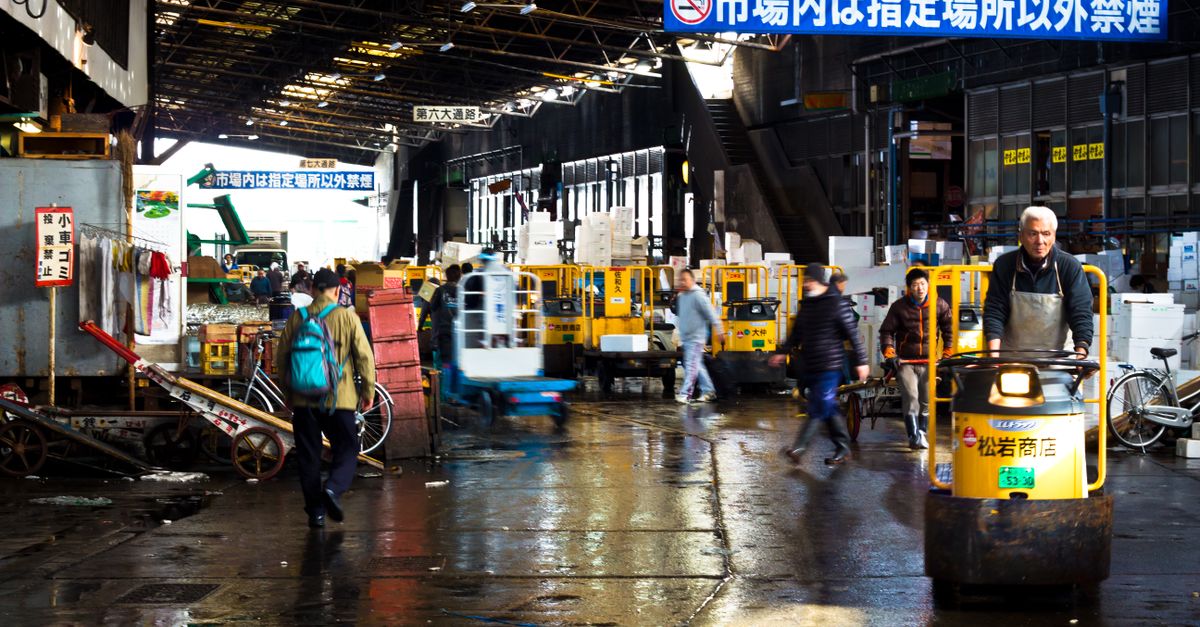
Tsukiji Outer Market is a shopping district focusing in particular on food products, cooking and utensils. It should not be confused with the wholesale fish market, whose operations were transferred to Toyosu. At Tsukiji, the experience is more about a collection of shops, restaurants and counters opening onto the streets.
This distinction helps you plan your visit: you are not necessarily coming to watch a wholesale auction, but to discover a lively neighbourhood and eat as you walk. The stalls offer a close-up view of common ingredients used in Japanese cuisine, while the small establishments serve dishes to eat on site or take away.
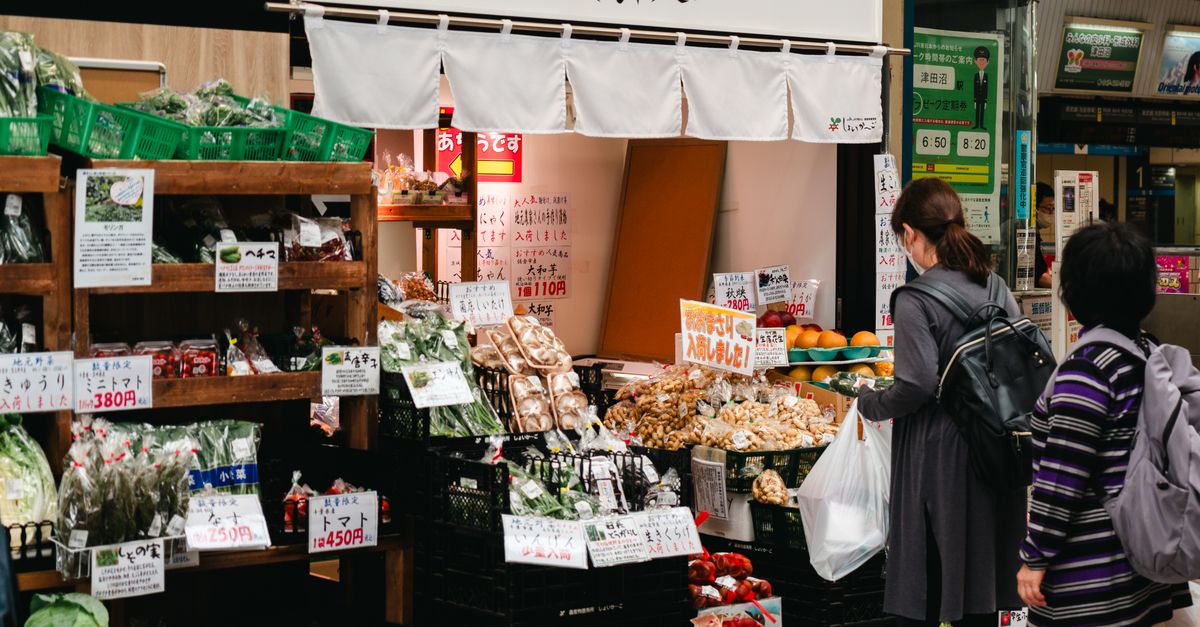
The area’s charm lies in the variety of businesses close together. One shop may display fish and seafood, while another focuses on condiments, utensils or ready-to-eat preparations. This concentration lets you compare specialities without crossing the whole city.
The streets can be narrow, and the passageways are also used for deliveries and by vendors doing their work. Keep your bag close, avoid stopping in the middle of a lane to take a photo, and follow the instructions displayed on site. To plan a broader stay, also see this guide to Tokyo’s best areas to visit and stay in.
Tsukiji is easy to combine with a walk through the surrounding neighbourhoods, but the pace of your visit depends on what you want to do: a quick tasting, a sit-down meal or browsing the products. The shops do not all open at the same time, and some may close once they have sold out of their preparations. It is therefore best not to build an overly tight itinerary around a single address.
The market offers a practical insight into the role of seafood in Japanese cuisine, but you do not need to try everything to appreciate its atmosphere. A few carefully chosen stops let you enjoy the flavours without turning the walk into a race from one stall to the next.
To taste your way around Tsukiji, start by choosing a few different preparations rather than ordering a full meal at every stop. Sushi naturally attracts visitors, but grilled seafood, fish bowls and hot bites offer other ways to discover the market’s products. The availability and contents of dishes depend on the businesses and their deliveries.
Fresh fish is often showcased in simple preparations, where the quality of the ingredient matters more than the complexity of the recipe. Look at the menus on display and, if necessary, ask what a portion contains before ordering. Some stalls specialise in one type of food, while others offer a broader selection.
A sushi counter lets you try several pieces of fish in a format that works well for tasting. Menus vary from one establishment to another: some focus on assortments, while others serve bowls topped with fish and rice. If you have a preference or dietary restriction, check the ingredients directly with the staff.
Seafood may also be grilled or served in small portions. This works well for a walk punctuated by short breaks, but you should follow the stall’s instructions: some foods are intended to be eaten near the counter rather than while walking. The market remains a workplace, not just a food court.
Tamagoyaki omelette is one of the preparations you can easily spot thanks to its layered cooking method and presentation, often cut into bite-sized pieces. Its texture and flavour vary according to each establishment’s recipe. Eating it hot allows you to appreciate its softness, while a takeaway portion works well for a break between the lanes.
Japanese specialities are not limited to seafood. Depending on which shops are open, you may also find condiments, prepared foods and sweets. To continue exploring beyond the market, this guide to Japanese cuisine places these dishes in a broader context.
There is no single opening schedule that applies to every business at Tsukiji Outer Market. Opening hours differ from one shop to another, and some close earlier than others or do not open every day. As this information can change, check with the establishments or the market’s official information before travelling there.
For a first visit, the morning is generally the most practical choice: you are more likely to find the counters operating and preparations available. This does not guarantee that every address will be open or that there will be no crowds, however. On busy days, queues can slow down tastings and make the passageways narrower.
| Time of visit | What you can prioritise | What to bear in mind |
|---|---|---|
| Morning | Finding open counters and trying fresh preparations | Opening hours vary by business |
| Middle of the day | Taking time to compare menus and have a meal break | Some stalls may have sold out of their products |
| Before leaving | Checking your chosen shops and adapting your route | Consult up-to-date information from the establishments |
An opening time announced for the market does not mean that every restaurant and shop will be open throughout that period. If you want to try a particular speciality, look up the relevant establishment first and check its information on the day. This precaution prevents you from crossing the neighbourhood only to find a counter closed.
The best time to visit also depends on your priority. To eat without waiting too long, avoid the busiest periods where possible; to observe the activity, a lively morning may be more interesting. In either case, leave some flexibility in your schedule and adapt to the pace of the businesses.
To get online as soon as you land, a Japan eSIM can be installed before you leave, with no need to look for a local SIM card.
Tsukiji Outer Market is both a place for tasting food and a workplace. The lanes are used by visitors, delivery workers and vendors moving their goods. Walking to the side, keeping access routes clear and following the posted instructions makes the visit more pleasant for everyone.
Street food is well suited to discovering small portions, but eating while walking is not always appropriate in crowded streets. When a stall indicates a designated eating area, use it rather than standing in front of a neighbouring shop. For photographs, ask permission if you want to photograph a vendor or their workspace.
First identify the dishes that interest you, then choose a sensible order: a light preparation before a more filling meal, for example. This approach avoids ordering too much and allows you to stop once you are full. Portions and payment methods vary between establishments; check the information on site.
This way of visiting allows you to appreciate the details more fully: the cooking of an omelette, the presentation of the fish or the exchanges at the counter. The market reveals its flavours not only through what you eat, but also through the attention you pay to its gestures and customs.
After the market, you can continue towards Ginza, a district known for its shops and restaurants. This combination works well if you want to balance a morning focused on food products with a broader urban walk. The guide to Ginza in Tokyo and its attractions can help you plan this next stop.
Before leaving Tsukiji, check that you have finished your tastings and worked out your exit route. The neighbourhood is easier to appreciate when you take your time, allow vendors to work and choose a few stops rather than trying to taste everything.
A successful visit mainly depends on having realistic expectations: opening hours are not uniform, specialities vary and crowds can affect the pace of your walk. These answers help you make the main decisions before heading there.
The morning is generally the best time to find businesses open and enjoy the tastings. However, check each establishment’s opening hours, as they vary and may change.
You can look for seafood, fresh fish served in bowls or small portions, as well as tamagoyaki omelette. The selection depends on which businesses are open and what products are available.
No. Tsukiji Outer Market refers to a district of shops and restaurants. The wholesale fish market’s operations were transferred to Toyosu.
This depends on the businesses’ instructions and how crowded the area is. Use designated eating spaces when indicated, and avoid blocking passageways or shop entrances.
To book tours and activities in Tokyo ahead, see the options on Klook.
Updated on 21/11/2026
Scroll to see more articles →