Yakitori: Chicken Skewers, Cuts and Best Places to Eat
Discover yakitori in Japan: chicken skewer cuts, charcoal grilling, tare sauce, ordering tips and how to find good restaurants.
The main difference between soba and udon lies in their flour and texture: soba are thin noodles made from buckwheat, while udon are thick, soft noodles made with wheat. In Japan, both can be eaten hot or cold, in a broth or with a dipping sauce. To discover the flavour of buckwheat, choose cold soba served separately; for a milder and more substantial dish, order udon in soup.
These two Japanese noodles are part of everyday life as much as regional cuisine. Their apparent simplicity conceals variations in flour, broth and toppings that can significantly change the result in the bowl.

Soba takes its name from buckwheat, called soba-ko when ground into flour. This cereal gives the noodles a beige to grey-brown colour and a more pronounced flavour than wheat. Their fine texture makes them delicate in the mouth, while their surface holds sauce well.
The proportion of buckwheat varies between manufacturers and restaurants. Some soba also contain wheat, which helps bind the dough and makes it less fragile; the name alone therefore does not guarantee that they are entirely wheat-free. Noodles known as juwari are made only with buckwheat, but you should also ask about the risk of cross-contamination in the kitchen.
Udon are wheat noodles, generally pale, wide and thick. Their texture is elastic and soft, with a mild flavour that leaves the broth and toppings to take centre stage. Where buckwheat provides character, wheat gives udon a rounder and more filling sensation.
| Criterion | Soba | Udon |
|---|---|---|
| Main flour | Buckwheat, sometimes mixed with wheat | Wheat |
| Appearance | Thin, beige or grey-brown noodles | Thick, white noodles |
| Texture and flavour | Delicate, slightly earthy | Supple, soft and mild |
| Common ways of serving | Cold with sauce or hot in broth | Cold, in soup or stir-fried |
The differences between soba and udon are particularly noticeable in a simple preparation: cold soba reveals the aroma of buckwheat, while plain udon highlights its consistency. To understand the terms written on menus, a hiragana pronunciation chart can help you recognise Japanese names.
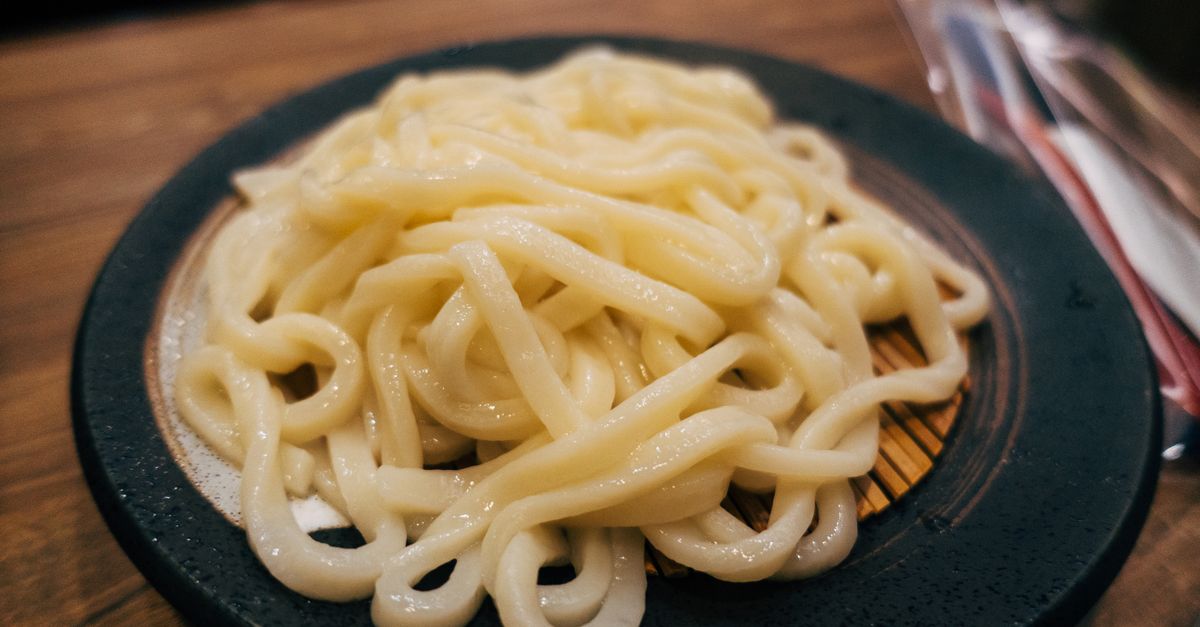
The names of the dishes often indicate their temperature, presentation or toppings. Kake soba and kake udon are served in a hot broth, generally prepared with dashi and soy sauce. The result varies between regions and establishments: some broths are light, while others are more pronounced.
To try cold noodles, look for zaru soba or zaru udon. They arrive drained on a tray, accompanied by tsuyu dipping sauce in a small bowl. Dip a small amount of noodles just before eating them, rather than pouring all the sauce over them. Wasabi, spring onion and grated daikon may be added for seasoning.
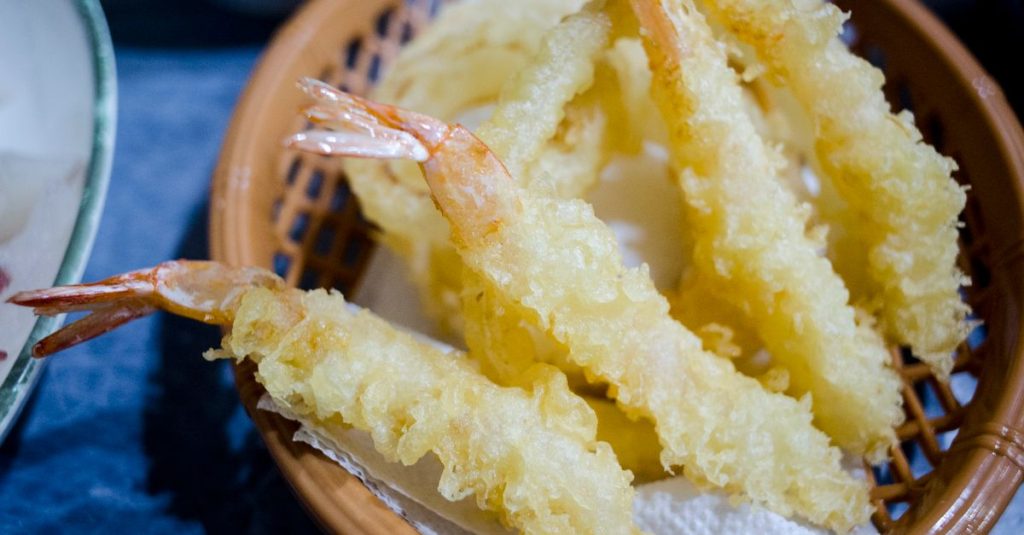
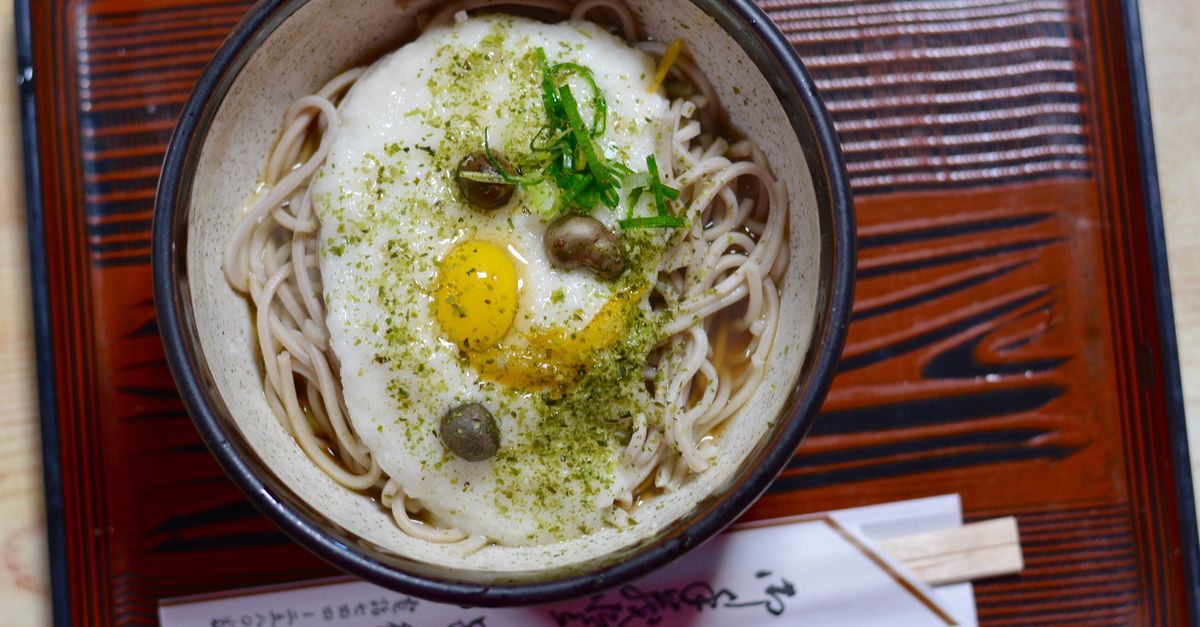
The toppings give rise to other useful names. A kitsune is served with aburaage, a slice of fried tofu; a tempura is served with vegetable or prawn fritters. Tanuki contains tenkasu, crispy pieces of tempura batter. Tsukimi, whose name evokes moon viewing, refers to a dish with an egg.
Kamaage udon is served hot, with the cooking water and a sauce presented separately. Yaki udon, meanwhile, is stir-fried in a pan with vegetables and sometimes protein. Beware of a common source of confusion: despite its name, yakisoba is generally made with wheat noodles distinct from traditional buckwheat soba.
At the end of a soba meal, some restaurants serve sobayu, the noodles’ cooking water. It can be added to the remaining sauce to make a warm, mild drink. This traditional service detail extends the tasting experience without adding any toppings.
Udon are strongly associated with Kagawa, on the island of Shikoku, where sanuki udon is an emblematic speciality. It is distinguished by a firm, springy dough, often served with a delicate broth. In fast-service restaurants, the process is usually simple: choose the noodles, then optionally add tempura or other toppings before sitting down.
In Osaka, kitsune udon, topped with fried tofu, is a well-known preparation. In eastern Japan, broths can be darker and more strongly influenced by soy sauce. These regional markers are useful, but recipes are not uniform: each establishment adjusts its dough, seasoning and cooking method. You can explore more local specialities in our guide to Osaka’s food culture.
For soba, Nagano is a region renowned for its buckwheat noodles and mountain traditions. Tokyo also has a long culture of specialist restaurants, particularly in the Kanda district. In Niigata, hegi soba incorporates funori, a seaweed that helps give the noodles cohesion; in Izumo, warigo soba is presented in several small bowls stacked on top of one another.
These regional differences invite you to choose according to the place you are visiting rather than look for one definitive version of the dish. In Kagawa, tasting sanuki udon lets you experience a local speciality in its setting; in Nagano or Tokyo, cold soba more easily highlights the flour and the restaurant’s expertise.
Soba also have a special place in end-of-year customs: toshikoshi soba is eaten on New Year’s Eve. This tradition connects the meal with the idea of moving from one year to the next, and shows that noodles are both an everyday dish and a cultural marker.
Tip: set up a Japan eSIM before departure so your data works on arrival.
For a quick meal, udon chains such as Marugame Seimen and Hanamaru Udon generally offer an easy-to-understand ordering process, thanks to photographs and a cafeteria-style layout. Toppings are often selected separately. As prices and ordering procedures may change, check the information displayed on site or ask the restaurant.
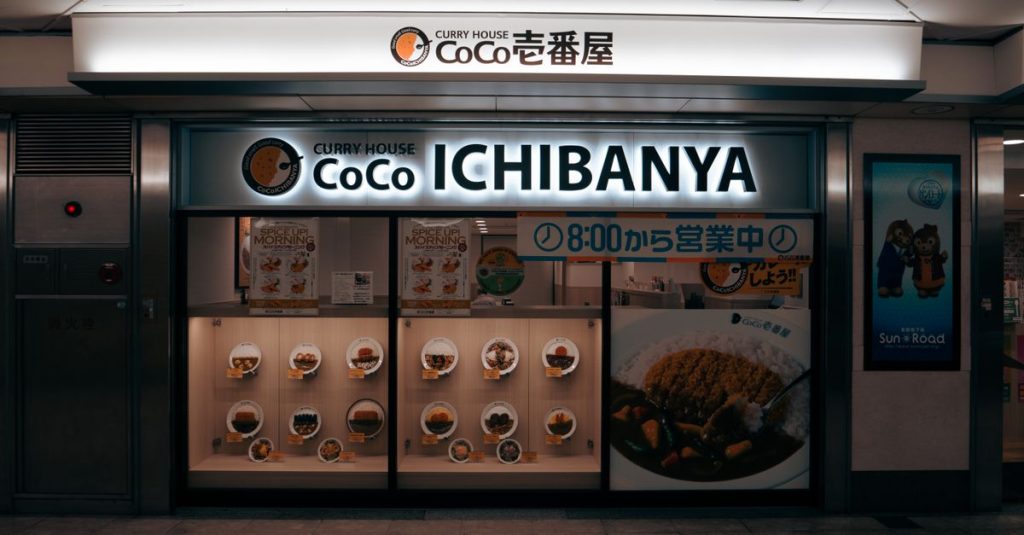
The small noodle counters found in some stations are suitable for travellers in a hurry. The service is quick, but the experience differs from that of a traditional soba-ya, where the noodles may be prepared on site and the menu may focus more heavily on buckwheat. For a more attentive tasting experience, choose a specialist restaurant and order zaru soba or a dish with simple toppings.
A few clues can help you choose a restaurant: a menu focused on noodles, clear descriptions of the ingredients, and explanations of the flour or preparation method. A queue may indicate a popular address, but does not guarantee that its style or seasoning will suit you. Opening hours, prices and dish availability vary, so it is best to check them with the establishment before travelling there.
To plan your meals during a stay, also see our guide to Japanese cuisine and advice on a Japan travel budget. These references help you place noodle restaurants among the other options, from quick counters to more elaborate meals.
In a soba restaurant, sobayu may be brought automatically or only on request. If you would like to try it, simply ask the staff for “sobayu” after the meal; the word is often understood in specialist establishments. The experience is less common at fast-service counters.
Soba are not automatically gluten-free. Many recipes contain some wheat flour, and tsuyu sauce is frequently prepared with soy sauce, which may also contain wheat. Anyone with coeliac disease or a high sensitivity to gluten should check every ingredient and the kitchen’s practices, including shared utensils.
Buckwheat is an allergen that can cause serious reactions. If you have an allergy, avoid restaurants where it is prepared, even if you are considering ordering udon: the spaces, cooking water or equipment may be shared. Written information about the allergy is useful, but it does not replace confirmation from staff about the precautions actually taken.
Vegetarians and vegans should also ask about the broth. Classic dashi is often prepared with dried bonito, and tempura batter may contain egg. A kombu-based broth is available in some establishments, but its availability should not be assumed. Our guide to vegetarian food in Japan offers further guidance.
Finally, ingredients and practices vary from one restaurant to another. In the case of a severe allergy or medical diet, choose an establishment able to answer questions clearly about ingredients, sauces and cross-contamination. Choosing a particular type of noodle is not enough to guarantee that the dish is safe.
No. Many recipes mix buckwheat flour with wheat flour to make the dough easier to work with. Ask the restaurant about the ingredients if this is important for your diet.
Choose zaru soba to discover the flavour of buckwheat, or kake udon if you prefer a mild, soft noodle served in a hot broth.
Take a small amount of noodles and dip it into the tsuyu sauce, which you can season with the condiments served separately. There is no need to pour all the sauce over the tray.
Sometimes, but dashi broth often contains bonito and some toppings contain animal products. Ask whether kombu broth and suitable accompaniments are available.
To book tours and activities in Japan ahead, see the options on Klook.
Updated on 27/11/2026
Scroll to see more articles →