
Yakitori: Chicken Skewers, Cuts and Best Places to Eat
Discover yakitori in Japan: chicken skewer cuts, charcoal grilling, tare sauce, ordering tips and how to find good restaurants.
Mount Misen can be explored by combining the Miyajima ropeway with a walk to the summit: the cabin brings you closer to the mountain, but the final trails must be covered on foot. At 535 metres above sea level, according to information published by Miyajima Ropeway in 2026, this island landmark combines ancient forest, Buddhist temples, rock formations and views over the Seto Inland Sea. The panorama is worth the effort, provided you wear suitable shoes, allow enough time for the return journey and check whether the ropeway is operating on the day of your visit.
Mount Misen is more than a viewpoint above Itsukushima Shrine. It forms part of a heritage landscape where nature and religious practices meet, and its atmosphere changes noticeably between the busy port area and the wooded paths. Here is how to choose between the ropeway and hiking, which places to look out for at altitude and what to check before setting off. To plan your whole day on the island, also see this guide to things to do in Hiroshima and Miyajima.
In brief

Mount Misen forms the mountainous backdrop to Itsukushima Shrine and contributes to Miyajima’s heritage identity. Its ancient forest, rocks and places of worship create an environment in which the mountain is more than a simple backdrop. Walking allows you to understand this connection gradually: the sounds of the seafront fade, trees close in around the path and religious buildings appear among the landscape.
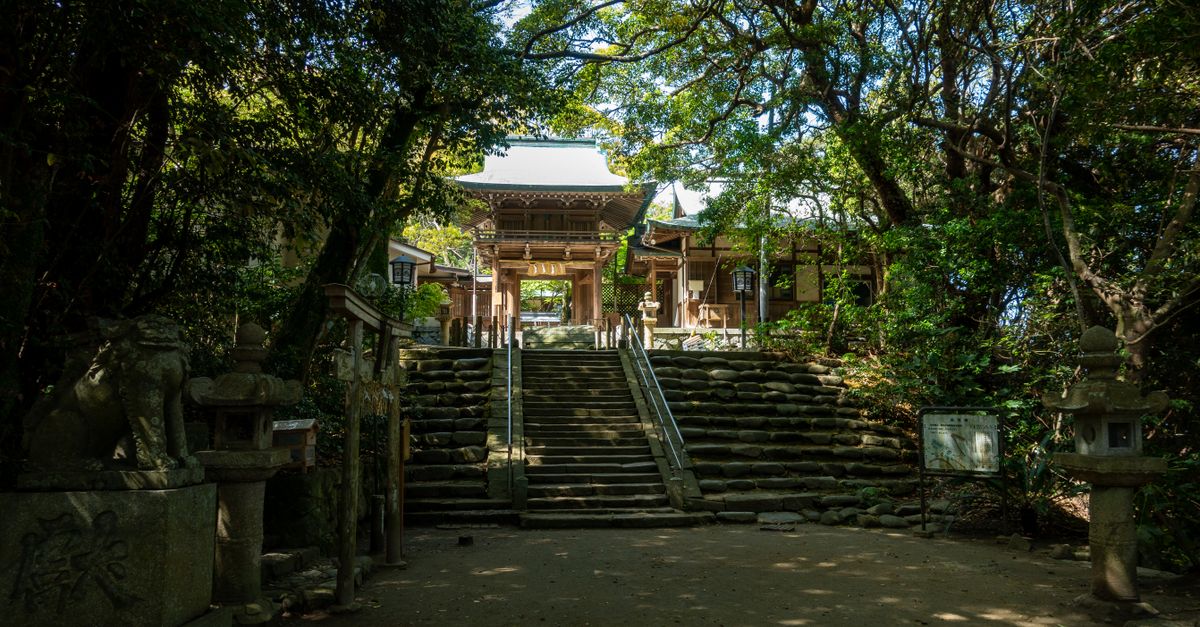
Tradition links the development of religious practice on Misen to Kūkai, also known as Kōbō Daishi. Temples and pavilions line the area around the summit, including Misen-hondō and Sankidō. Visitors can stop to observe the architecture and setting without reducing the visit to a series of photo opportunities. These are also places of prayer: behaving discreetly and keeping passageways clear are part of the experience.
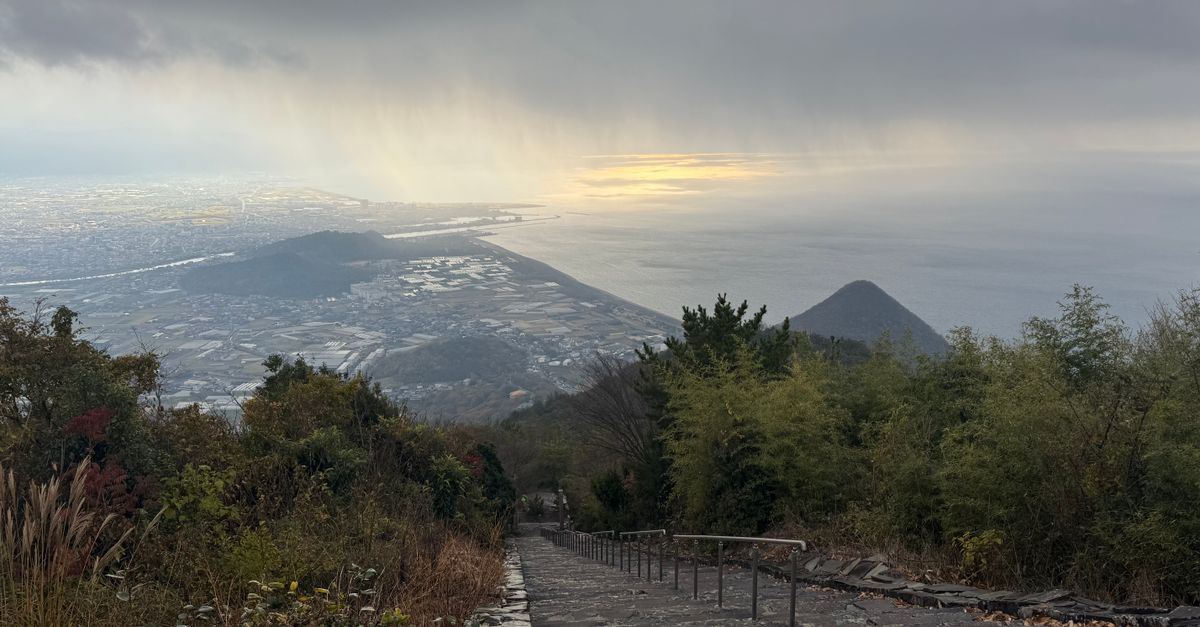
The summit reaches 535 metres, according to a figure given by Miyajima Ropeway in 2026. In clear weather, the viewpoints open out over the islands of the Seto Inland Sea and Miyajima’s surrounding hills. Visibility nevertheless depends on the weather; cloud or mist may limit the panorama. To plan a wider trip in the region, this Hiroshima guide helps place the island within a regional itinerary.
The ropeway is the practical choice for gaining altitude without completing the entire climb on foot. It departs from Momijidani Station, reached from the port by walking through the park of the same name. The journey has a first section to Kayatani, followed by a transfer to Shishiiwa. Follow the signs on site rather than expecting a direct cabin to the summit.
Shishiiwa Station is a viewpoint in its own right, but it does not mark the end of the visit. The summit and main places of worship are reached by a mountain path with slopes and steps. Allow time for this walk, breaks and the return to the station: actual timings vary according to your pace, the weather and visitor numbers. A return ticket does not remove the need to check the return conditions applicable that day.
Wind and weather conditions may lead to a service interruption. Some very busy days may also involve special instructions or advance booking. As operating hours, fares, boarding arrangements and baggage rules may change, check the operator’s published information before leaving the port. Pushchairs and wheelchairs may not allow you to complete the whole route: ask the station about the access arrangements currently in force.
| Stage | Role in the route | What to expect |
|---|---|---|
| Momijidani | Town-side departure station | Walk to the station and check the day’s guidance |
| Kayatani | Transfer point | Follow the signs and staff instructions |
| Shishiiwa | Upper station and viewpoint | Allow for an additional walk to the summit |
| Mount Misen summit | Highest point and places to visit | Keep enough time for the return path |
Three main routes lead from Miyajima to the heights: Daishoin, Momijidani and Omoto. The Daishoin trail is generally presented as a more accessible choice for beginners, while Omoto is more demanding. The Momijidani route passes through a forest environment appreciated for its atmosphere, especially when the maple trees change colour. Perceived difficulty nevertheless depends on fitness, heat and trail conditions.
Taking the ropeway up and walking back down may suit people who want to try hiking without devoting the whole day to the ascent. The reverse option—walking up and returning by cabin—depends on the time available and the service status. Before choosing, consider the announced closing time, the weather and your fatigue: do not assume that a cabin will always be available when you want it.
Closed shoes with grippy soles are preferable to sandals or everyday shoes. Stone steps and wet sections become slippery after rain. Take water, a light layer for the wind and a bag for carrying your rubbish away; in hot weather, heat and humidity make the effort more demanding than it appears from the port. If the terrain or your condition concerns you, turning back is a sensible decision, not a failure.
Families should also anticipate steps and changes in level: a pushchair is not suitable for the entire route to the summit. For a young child, a baby carrier may make getting around easier, but the climb remains physically demanding for the adult carrying them. The best route is the one that leaves enough time to walk without rushing and return before the light begins to fade.
Tip: set up a Japan eSIM before departure so your data works on arrival.
From Shishiiwa Station, take time to look out over the Seto Inland Sea before continuing. The viewpoint already offers wide views of the islands and makes a good first break. Higher up, the Mount Misen observatory provides views of the surroundings from a panoramic platform. Facilities and opening hours may vary, so check whether they are open on site; access to the roof or indoor areas should not be assumed.
The rock formations give the route its distinctive character. Monumental blocks, including Kuguri-iwa, shape the landscape and show that the area around the summit is also a fragile natural environment. When taking photographs, avoid climbing on rocks or blocking the paths. The trail may be narrow and shared by walkers moving at different speeds.
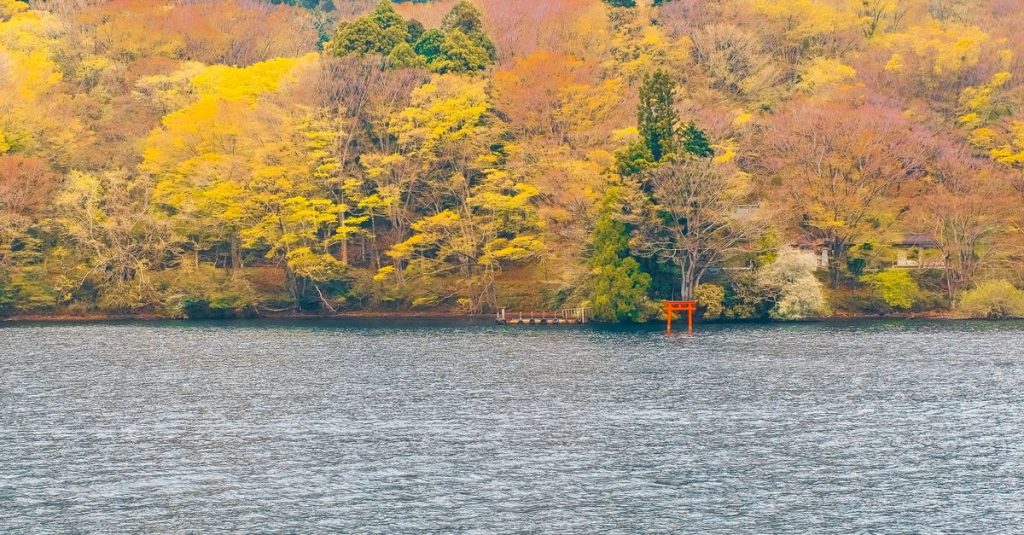
Sankidō is associated with household protection and commercial prosperity. Misen-hondō reflects the mountain’s Buddhist and ascetic dimension. These places invite you to slow down: a few minutes of attentive observation often provide more than a rushed stop to tick off a landmark. If you visit in autumn, the maple trees in Momijidani Park and seasonal colours may enhance the experience; foliage dates vary from year to year. See our guide to Japan’s weather and autumn leaves in November when planning this period.
Reikado requires particular caution. According to Daishō-in Temple and the Chūgoku Shimbun newspaper, the pavilion was completely destroyed by fire on 20 May 2026; information published in June 2026 stated that the flame had been moved to safety and that reconstruction was being considered for November 2027. Until the temple issues further guidance, do not expect to see the flame on site or drink the water associated with the pavilion. The situation may change: check with Daishō-in before visiting.
Sunny days, spring and autumn weekends, the autumn-leaf season and national holidays attract more visitors. Queues for the ropeway may then become longer and narrow sections may slow your walk. Leaving early and choosing a weekday where possible often reduces pressure on your schedule, although it cannot guarantee no waiting. Quieter periods are not consistent from one day to the next.
To combine Misen with Itsukushima Shrine, treat the waterfront visit and the mountain ascent as separate parts of the day. The ropeway, walk to the summit, temple stops and return require a substantial amount of time. Avoid booking something tightly just after the descent: a service interruption or slower queues could delay the whole day. This three-week Japan itinerary can help you include Hiroshima and Miyajima without packing the visits too tightly.
In the forest, do not pick plants or leave rubbish behind. Do not feed the animals: the deer are wild and visitors should not alter their diet. In the cabin, keep your hands and belongings inside and follow the operator’s instructions. Near the temples, keep your voice down and respect prayer areas.
Before setting off, check four things: whether the ropeway is operating, booking requirements, the weather at altitude and the status of the places you want to visit. Also allow extra time to reach the port and catch your next transport. On Mount Misen, a successful day depends less on the number of stops than on a pace suited to the terrain.
The duration depends on whether you choose the ropeway or hiking, your walking pace and your stops. Add the cabin journey to the walk between Shishiiwa and the summit, temple visits and time for the return.
No. The ropeway goes as far as Shishiiwa Station; you must then walk along a mountain path to reach the summit and the main places to visit.
The Daishoin route is generally recommended for beginners, but you still need to assess your stamina and the conditions on the day. Grippy shoes and water are essential.
Reikado Pavilion was destroyed by fire on 20 May 2026. According to information reported by Daishō-in and the Chūgoku Shimbun in June 2026, the flame had been moved to safety; check the current arrangements with the temple, as it should not be considered visible in the pavilion.
To book tours and activities in Japan ahead, see the options on Klook.
Updated on 25/11/2026
Scroll to see more articles →