Yakitori: Chicken Skewers, Cuts and Best Places to Eat
Discover yakitori in Japan: chicken skewer cuts, charcoal grilling, tare sauce, ordering tips and how to find good restaurants.
Japanese curry, or karē, is a thick sauce most often served with rice. Born from a long journey between the Indian subcontinent, England and Japan, it has moved away from its origins to become a classic of Japanese cuisine: mild, generous and easy to customise. Its history reveals both cultural exchanges and the way Japan adapts dishes from elsewhere.
Kare raisu is only one way to enjoy it. Stuffed bread, thick noodles, breaded cutlets and regional versions: Japanese curry varieties offer very different textures and levels of heat. Here is how to recognise them, which ingredients give the sauce its depth and where to eat Japanese curry in Japan or France.

Japanese curry is not an Indian recipe transferred unchanged. It is part of a chain of influences: spice blends from the Indian subcontinent were brought together and adapted in British cuisine, then introduced to Japan through commercial and maritime exchanges. The word “curry” covers very different traditions, while Indian cuisines favour a wide variety of blends prepared according to the region and dish.
As Japan became more open to Western influences, curry became associated with yōshoku cuisine, meaning Western-inspired dishes adapted to local tastes. The preparation gradually changed: common vegetables were added, it was served with Japanese rice and the aim was a nourishing, mild sauce that was easy to eat. The idea of an imported dish slowly gave way to that of a speciality in its own right.
The Japanese navy helped spread curry, as it is well suited to being prepared in large quantities and served easily with rice. Military meals and canteens helped familiarise Japanese people with the sauce. Soldiers who encountered it again in civilian life then contributed to its popularity in homes and restaurants.
Curry powder produced in Japan, followed by the appearance of ready-made roux, simplified home preparation. The dish became more accessible: simply fry vegetables, add stock and stir in the roux to obtain a thick sauce. This convenience partly explains why curry became established in family cooking, without preventing each household from adding its own touch.
The historical milestones retained by curryjaponais.com place the publication of a first Japanese recipe in the 19th century, followed by the arrival of commercial products at the beginning of the 20th century. Curry roux blocks and instant preparations then expanded its uses: curry is cooked at home, served in canteens and ordered in specialised establishments. It is a striking example of a dish from elsewhere becoming Japanese through its uses as much as its ingredients.
To place this dish within the country’s wider culinary habits, our guide to Japanese cuisine also introduces the other traditions that make up the archipelago’s everyday food culture.
Kare raisu combines a thick sauce with short-grain Japanese rice, whose slightly sticky texture helps it hold the curry. The sauce is generally less runny than many South Asian curries. The roux, made partly from fat, flour and spices, gives it a velvety consistency and helps round out the flavours.
Family versions often contain onions, carrots and potatoes. The meat may be beef, pork or chicken, but vegetarian recipes also exist. Dashi stock can add umami; soy sauce, mirin or a fermented condiment help balance sweetness and salt. Compositions vary according to the recipe and the products used.
Kakushiaji are ingredients added in small quantities to strengthen a particular aspect of a dish without necessarily being recognisable. Grated apple can add fruity sweetness and help bind the sauce. A little Worcestershire sauce introduces acidity and depth; dark chocolate can add slight bitterness and a rounder sensation.
These additions are not a compulsory list. If a curry is too sweet, it is better not to add more apple; if the sauce lacks character, a touch of salty or acidic condiment may be enough. The principle is to taste before adjusting and to add ingredients gradually. A successful homemade Japanese curry depends less on a secret ingredient than on the balance between spices, sweetness, salt and texture.
The level of chilli heat can also be chosen according to taste. Japanese products often distinguish mild, medium and hot versions, but names and intensity can vary from one brand to another. At a restaurant, asking about the heat level before ordering avoids surprises, especially if the menu offers several sauces.
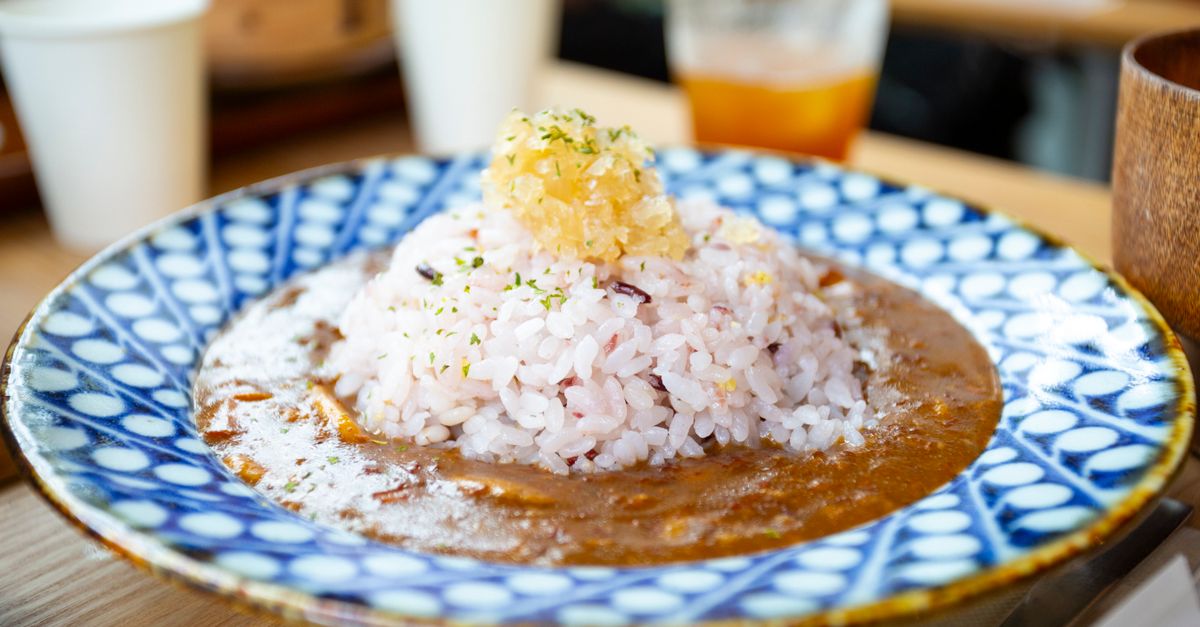
The most familiar form remains kare raisu: a portion of rice served with curry, sometimes placed side by side on the plate. Toppings may include sweet-and-savoury pickled vegetables called fukujinzuke, or pickled shallots known as rakkyo. Their acidity and crunch contrast with the soft sauce.
Katsu curry, often called katsu curry, adds a breaded cutlet, usually pork, to rice covered with curry. Japanese breading made with panko is light and crispy. To preserve this texture, some restaurants serve the sauce beside the cutlet rather than covering it completely. Chicken versions and other toppings also exist.
Curry udon combines the sauce with thick wheat noodles. The preparation is often more fluid than curry served over rice, so that it coats the noodles without forming a compact mass. It is a good choice when you want a hot and filling dish, although the thick sauce requires careful eating.
Karē-pan is bread filled with curry, often coated in breadcrumbs and then fried or baked. It is easy to eat on the go and differs from a sauced dish through its individual format. Japanese bakeries also offer other fillings, so curry can be a snack as well as a complete meal.
Regional styles add further variations. Kanazawa curry, for example, is associated with a dark sauce and a breaded cutlet; in Tokyo, restaurants may offer spicier, more elaborate curries or versions made with homemade roux. These differences show that there is no single recipe: textures, accompaniments and spices vary between establishments.
Food festivals and events sometimes make it possible to taste several specialities in one place. The calendar changes according to the city and season; check local information before travelling. To explore this type of event, the page on Japanese food festivals is a useful starting point.
Tip: set up a Japan eSIM before departure so your data works on arrival.
To prepare homemade Japanese curry, start by frying the onions and other vegetables in a little oil. This develops their aromas and prevents them from simply cooking in the stock. Then add stock, let the vegetables soften and stir in the roux to limit the formation of lumps.
Shop-bought roux is convenient and lets you choose the level of heat. For a homemade version, gently cook flour in butter or another fat, then add curry powder and seasonings. Cooking must remain controlled: undercooked flour can leave a pasty taste, while roux that is too dark can develop a pronounced bitterness.
Add ingredients that personalise the sauce in small quantities, then taste after each addition. Grated apple works if the curry lacks sweetness; soy sauce strengthens the umami, while Worcestershire sauce adds a livelier note. Miso is very salty and powerful, so use it sparingly. There is no need to combine all these ingredients: two well-chosen touches are often enough.
Serve the curry with Japanese rice cooked separately to preserve a distinct texture. If the sauce thickens while resting, loosen it when reheating with a little stock or hot water, stirring gently. Refrigerated preparations should be stored and reheated according to the usual food-safety rules; do not leave a cooked dish at room temperature for a long time.
An acidic or crunchy accompaniment balances the plate. Pickled vegetables are classic, but finely shredded cabbage salad can also add freshness, particularly with katsu curry. The key is to preserve the contrast between the rice, sauce and toppings rather than mixing everything until it has a uniform texture.
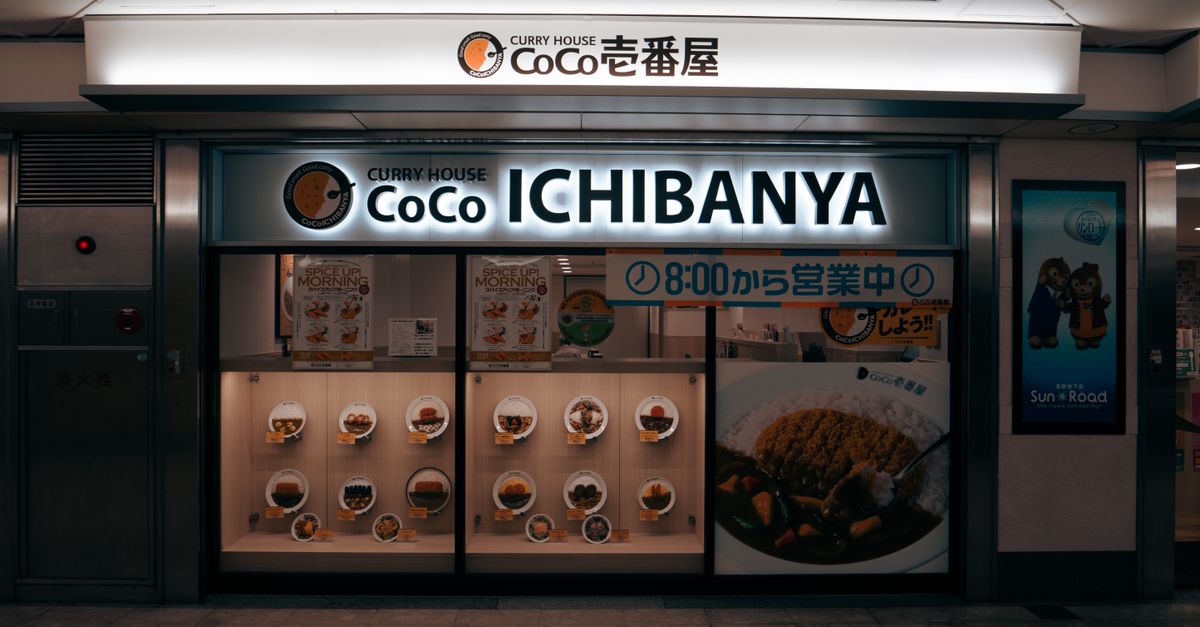
In Japan, restaurants specialising in karē range from fast eateries to places that work with sauces simmered for a long time. A chain or small shop may let you choose the amount of rice, topping and level of heat; an independent restaurant may place more emphasis on a regional style or roux prepared on site.
In Tokyo, Jimbochō is particularly associated with several curry restaurants mentioned in food guides. Establishments such as Kitchen Nankai and Bondy illustrate two distinct approaches: a dark, lively sauce in the first case and a richer, milder curry in the second. ToMaTo, in the Ogikubo district, is also known for European-style curries. As restaurants may change their opening hours, menu or business activity, check this information with the establishment before visiting.
In Paris, Pontochoux, Kuma and Ika are among the restaurants dedicated to Japanese curry mentioned in specialist guides. They offer different interpretations, from beef curry to vegetarian versions and curries made with homemade roux. When choosing where to eat Japanese curry, look at the sauce’s ingredients, the type of rice and the role given to the toppings, rather than relying solely on the level of heat.
A menu offering several formats makes it easy to compare preparations: curry rice highlights the sauce, katsu curry adds a contrast of crispiness, while curry udon turns the dish into a bowl of noodles. Japanese restaurants do not all use the same conventions for heat or portion size; if in doubt, ask the staff for advice and mention any dietary restrictions.
Curry can also be found in bakeries, canteens and street-food venues. These formats reveal another side of the dish: less ceremonial than a set meal, it fits easily into breaks and quick meals. The page devoted to street food in Japan can help place these specialities in context, without reducing the culinary experience to curry restaurants alone.
Not necessarily. Many versions are mild or moderately hot; the intensity depends on the roux, spices and restaurant. Ask about the heat level before ordering.
Japanese curry is generally thickened with a roux and served with Japanese rice. Indian cuisines encompass highly varied preparations and spice blends, often specific to regions and recipes.
Kare raisu refers to Japanese curry served with rice. It is the best-known form of karē in homes and restaurants.
Yes, some restaurants and recipes replace meat with vegetables or other ingredients. However, check the stock and roux ingredients, as they may contain animal-derived ingredients.
To book tours and activities in Japan ahead, see the options on Klook.
Updated on 27/11/2026
Scroll to see more articles →