Yakushima: Ancient Cedars, Access and Hiking Trails
Explore Yakushima, Japan’s island of ancient cedars, with practical access advice, essential hikes and tips for its protected natural environment.
The Takayama Matsuri brings together two seasonal events in Takayama’s old town: a spring festival associated with Hie Shrine and an autumn festival centred on Sakurayama Hachimangu Shrine. Both are known for their traditional floats, called Japanese yatai, their processions and their craftsmanship. The celebrations take place during the usual periods of the calendar, but you should check the exact dates for the year of your trip through the city’s official information or the organiser: the programme may specify the times, routes and activities that will go ahead.
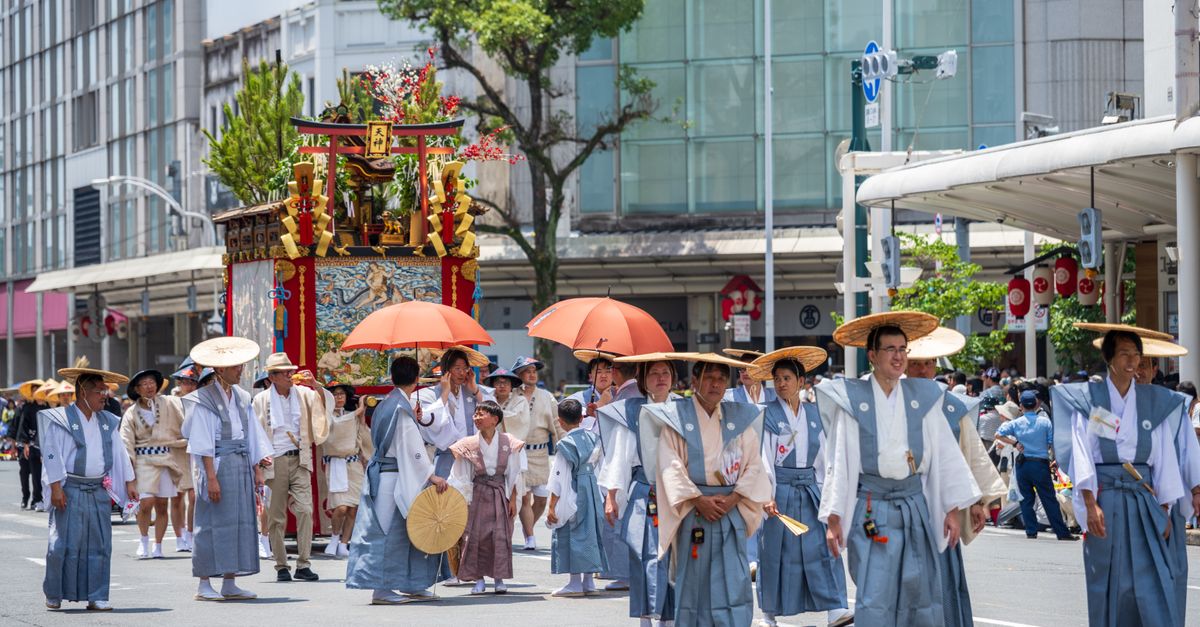
The festival is about more than the procession. The floats, decorated and sometimes animated by mechanical puppets, reflect a long local tradition. The streets of the historic centre, the shrines and the evening gatherings create a different atmosphere in each season. When planning your stay, it is also worth anticipating the crowds and consulting the practical advice on Takayama and the city’s accommodation.

The name Takayama Matsuri refers to two separate festivals held in spring and autumn. The spring festival, called Sanno Matsuri, is associated with Hie Shrine, while the autumn festival, Hachiman Matsuri, takes place around Sakurayama Hachimangu Shrine. They follow a traditional calendar, but visitors should confirm the precise dates for the relevant year through Takayama’s official information, particularly before booking transport or accommodation.
This check matters because the general calendar does not always provide every useful detail: how the processions will proceed, access to certain areas, possible programme changes or cancellations in poor weather. The table below gives the usual periods and associated locations, but does not replace the organiser’s annual announcement.
| Event | Usual period | Associated location |
|---|---|---|
| Spring festival, Sanno Matsuri | Mid-April | Hie Shrine |
| Autumn festival, Hachiman Matsuri | Mid-October | Sakurayama Hachimangu Shrine |
The two events have their own identities, even though they share essential features: floats, shrine-related rites and the participation of local neighbourhoods. To place these festivals among Japan’s other matsuri, they should be viewed as local celebrations closely tied to Takayama’s history and organisation, rather than as one single, uniform event.
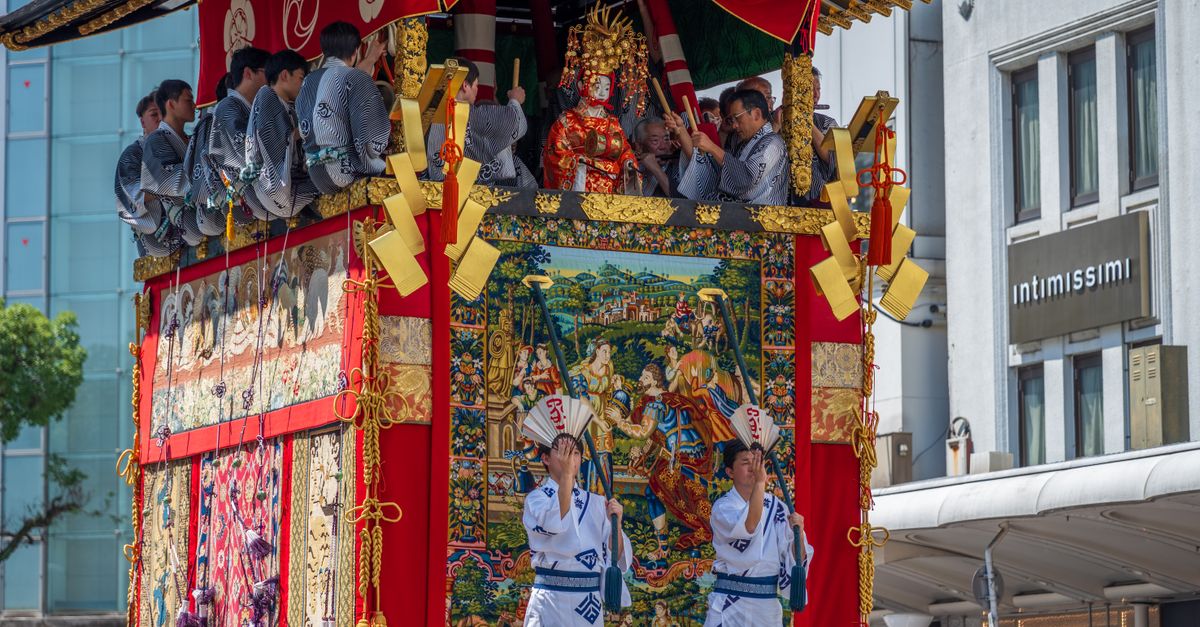
The traditional floats, or Japanese yatai, are the centrepieces of the Takayama Matsuri. Their wooden structures, ornaments and carved details reflect the work of specialist craftspeople. Some floats feature puppet mechanisms known as karakuri, which allow elaborate movements during performances. These devices require precise coordination between the handlers and those responsible for guiding the float.
The visual richness is not only a matter of the vehicles’ size. Lacquer, textiles, metal elements and carvings form an ensemble that varies from one float to another. By looking closely at the details, you can see that the Matsuri is also an opportunity to pass on expertise: local residents take care of these objects and present them in a ritual setting, rather than as simple props for a show.
The float procession naturally attracts attention, but the way the floats are displayed may differ depending on the day and the announced programme. Some floats may be visible outdoors during the processions, while other periods allow you to admire them in dedicated spaces. Before planning a precise route, consult the local information and allow for the crowds, which can slow movement through the old streets.
To book tours and activities in Takayama ahead, see the options on Klook.
To get online as soon as you land, a Japan eSIM can be installed before you leave, with no need to look for a local SIM card.
The festival takes shape around the shrines and neighbourhoods involved in organising it. In spring, Hie Shrine is at the centre of the Sanno Matsuri; in autumn, Sakurayama Hachimangu is associated with the Hachiman Matsuri. Religious rites give the celebration its meaning, while the processions make this tradition visible in public spaces. The exact route and times must be confirmed each year: it would be unwise to base an entire visit on an old programme.
The float procession is a highlight, but the experience also depends on where you are standing and what time you arrive. The narrow streets of the old town can become crowded, so it is useful to choose an observation area in advance without obstructing movement. Following the organisers’ instructions, keeping access routes clear and paying attention to on-site directions allows you to enjoy the event without disturbing local residents.
For a better understanding of Japanese traditions associated with local festivals, the Takayama Matsuri is an instructive example: rites, traditional crafts and neighbourhood identity are closely intertwined. Exploring the historic centre outside the busiest periods is a good complement to the processions, as it allows you to discover the streets and buildings without reducing your stay to the festival crowds alone.
The Matsuri days attract many visitors, making accommodation reservations particularly important. Choosing somewhere reasonably close to the centre can make it easier to get around on foot, but availability and prices change depending on the dates: check them directly when booking. Travellers who want to compare their options can consult the guide to hotels in Takayama.
Allow extra time for journeys and getting around the city. Streets may be congested, and traffic conditions or transport services may be adapted during the event. To organise a wider itinerary in the region, the Takayama guide can help you identify visits to combine with the festival, while a stay in Japan can also be extended to other destinations such as Kyoto.
A few simple habits can make your visit more comfortable:
The Matsuri is best experienced with a flexible schedule: plan for the highlights without assuming that every street or float will be accessible at all times.
The spring festival traditionally takes place in mid-April around Hie Shrine, and the autumn festival in mid-October around Sakurayama Hachimangu Shrine. Check the exact dates and annual programme through Takayama’s official information.
They are associated with different shrines and take place in two separate seasons. Both showcase traditional floats, but their programmes and visiting conditions are not necessarily identical.
Yatai are the richly decorated festival floats that take part in the celebrations. Some are associated with mechanical puppet performances, depending on the programme and the floats presented.
Yes, booking early is preferable: visitor numbers increase around the festival days and availability may decrease. Check the conditions and prices with your chosen accommodation.
Updated on 23/11/2026
Scroll to see more articles →