Nishiki Market Kyoto: What to Eat and Opening Hours
Explore Nishiki Market in Kyoto: discover yuba, tsukemono and skewers, with practical advice on opening hours and the best time to visit.
Yakushima is best discovered on foot, in a humid forest where ancient cedars, moss and streams create a landscape rarely seen elsewhere in Japan. For a first visit, the Shiratani Unsuikyo trail offers an accessible introduction to the Yakusugi forest, while the hike to Jōmon Sugi takes a full day and requires serious preparation. The island can be reached from Kagoshima by ferry or plane; as timetables, fares and departures may change, check them with the transport operators before travelling.
In brief

Off the coast of Kagoshima Prefecture, Yakushima combines mountainous terrain, subtropical vegetation and shores opening onto the ocean. Part of the island belongs to a natural site listed as a UNESCO World Heritage Site. This recognition reflects the richness of its forests and ecosystems, but it does not mean that every place has been developed for easy visits: some areas remain remote and walking conditions can be difficult.
The nickname “Alps of the ocean” evokes the contrast between the beaches and the inland peaks. As you gain altitude, the landscape changes: coastal plants give way to mountain vegetation, while clouds and mist often envelop the trees. This diversity explains why the same day can offer very different atmospheres depending on which part of the island you visit and what the weather is like.
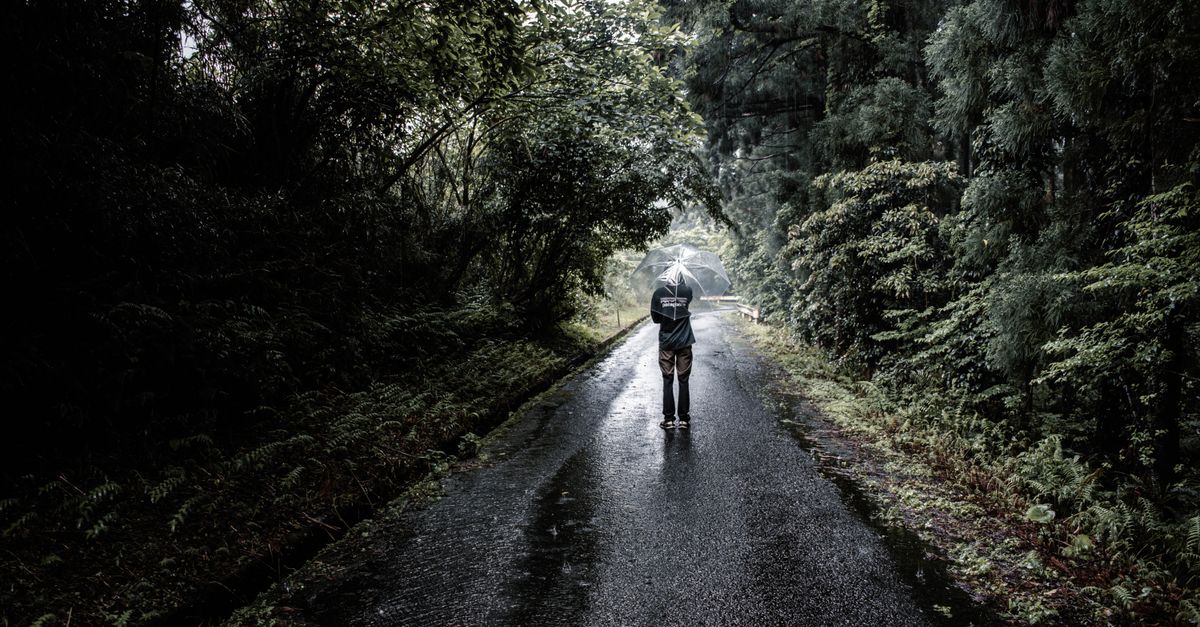
The climate is particularly humid. Rain feeds the moss, streams and forests, but it also makes roots and stones slippery. The local expression that it rains “thirty-five days a month” conveys this reputation for wet weather; it should not be understood as a literal meteorological statistic. Check the forecast and local information before choosing a date. You can also read our guide to tsuyu and its effect on travel to better understand Japan’s rainy season.
The ancient forest is not limited to its famous trees. It is home to flora adapted to changing conditions and wildlife unique to the island, including the yaku monkey and yaku deer. Keep your distance and do not feed them: a successful encounter is measured by the tranquillity left to the animals, not by how close you get for a photograph.
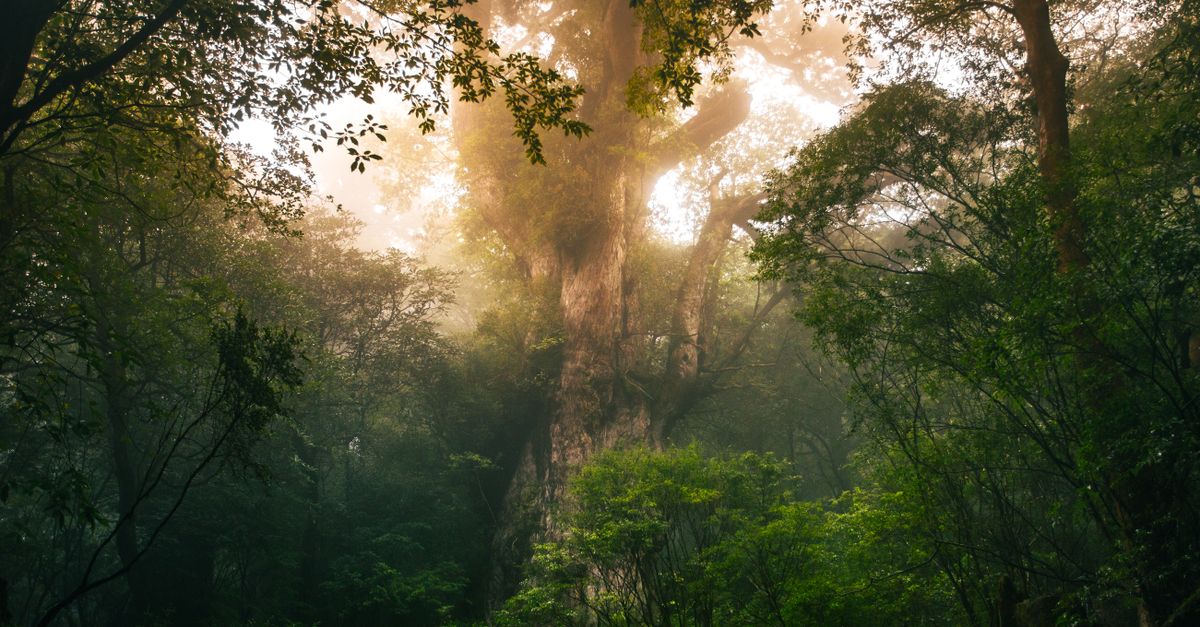
Yakusugi are ancient cedars emblematic of Yakushima. The name refers to specimens thousands of years old; their gnarled trunks and imposing roots bear witness to their slow growth in a humid mountain environment. The best known, Jōmon Sugi, is a remarkable tree whose age is subject to different estimates. It is better to present these estimates as assessments rather than as an exact certainty.
The hike to Jōmon Sugi on Yakushima is a long outing, often described in available travel information as an approximately twenty-two-kilometre round trip. The route requires good stamina, an early start, water, food and equipment suitable for rain. The ground may be muddy or slippery; do not set off simply because the trail is popular. Check conditions, access instructions and any restrictions with local organisations before leaving.
The Shiratani Unsuikyo trail reveals another side of the Yakusugi forest. Paths pass through moss-covered undergrowth, follow streams and lead to viewpoints over the valleys. Several routes are possible, with different durations and levels of difficulty. Choose your loop according to the weather, your experience and the time available, rather than trying to complete every route in one visit.
For a shorter outing, Yakusugi Land offers trails among old cedars. This is a useful option if conditions do not allow a long hike or if you want to keep time for the waterfalls and coast. In all cases, bring a waterproof layer, protection for your bag and shoes with good grip. The forest is spectacular, but that does not remove the need for caution.
Yakushima is more than its forest trails. The Ōko-no-taki and Senpiro-no-taki waterfalls show the power of water, particularly after periods of rain. The latter is distinguished by the large granite slab alongside the fall. Access routes and viewpoints do not all have the same level of difficulty: check local conditions and do not approach the edge of a watercourse swollen by rain.
On the coast, Yakushima Lighthouse offers views over the sea, while some beaches are known for their coral sand. Nagata Inakahama is also an important nesting site for sea turtles. This presence entails protection rules, particularly at certain times of year and in the evening. Do not try to observe the animals without following the instructions displayed or communicated by local staff; the beach is not a backdrop, but a fragile habitat.
The waters around the island also allow marine activities, including diving when conditions are suitable. Visibility and sea conditions vary: speak to a local operator and follow its recommendations. Do not improvise swimming on a rocky coastline or in areas affected by currents. Your choice of activity should take the weather into account as much as your level of experience.
This diversity makes Yakushima National Park interesting even for visitors who are not planning a long trek. A day can combine a moderate walk, a stop near a waterfall and a visit to the coast, provided you limit travel and leave time for unexpected changes in the weather. Sustainable tourism begins with a realistic pace and respect for natural areas.
Tip: set up a Japan eSIM before departure so your data works on arrival.
There are two main ways to reach Yakushima from Kagoshima: by ferry, arriving at Miyanoura or Anbō ports depending on the service, or by plane to Yakushima Airport. Journey times, frequencies, fares and the ports served depend on the operator and the season. Check the information directly with the companies before booking, especially if your itinerary depends on a connection.
Once there, a car makes it easier to reach trailheads, waterfalls and remote villages. Buses serve several areas, but their frequency and timetables can limit the flexibility of a day’s hiking. Check local timetables and arrange your return before setting off; do not assume that a bus will arrive soon after you finish your hike. Miyanoura and Anbō are practical bases for finding services, but your choice of accommodation also depends on which part of the island you plan to explore. For more general advice on Japan’s climate, see our guide to Japan’s seasons and what to wear.
| Option | What it is suitable for | What to check before departure |
|---|---|---|
| Ferry from Kagoshima | Travelling to the island by sea | Departure and arrival ports, timetable, booking and sea conditions |
| Flight to Yakushima Airport | Reducing travel time when the service is available | Availability, luggage and connections in Kagoshima |
| Local bus | Reaching certain villages and access points | Timetables, stops served and the last return service |
| Rental car | Organising visits across several parts of the island | Booking, driving conditions and parking near the trails |
The weather can disrupt both transport and outdoor activities. Avoid scheduling a demanding hike immediately before a departure without leaving extra time, particularly if you need to reach a port or the airport. For a more responsible trip, also read our advice on sustainable tourism in Japan.
Preparation depends on the route. For Jōmon Sugi, consider the walking time, elevation gain, ground conditions and transport to the trailhead. For Shiratani Unsuikyo or Yakusugi Land, a shorter loop is still a proper hike: humidity, roots and stones require constant attention. Check local information on the day and adjust your plans if a trail is closed or conditions deteriorate.
Wear hiking shoes that have already been broken in, a waterproof jacket and rain protection for your belongings. Bring water and enough food for the planned duration, as well as a torch if the route could take longer than expected. Mobile coverage is not guaranteed everywhere; do not make your phone your only means of navigation or calling for help. For broader travel precautions, see our guide to travel safety in Japan.
A few simple habits help preserve these places:
Yakushima is particularly suitable for travellers who are prepared to deal with rain and change their plans. A stay of several days means that your entire visit does not depend on a single hike: if the weather prevents an ascent, a shorter loop or coastal outing can take its place. This flexibility is also a practical way to practise sustainable tourism.
Several days allow you to combine a forest hike, visits to waterfalls and stops on the coast without concentrating everything into one day. The ideal length depends on the trails you choose and the weather conditions.
No. It is a long walk requiring stamina, serious preparation and equipment suitable for rain and slippery ground. Choose a shorter route if you lack experience or conditions are unfavourable.
A car provides flexibility for reaching different parts of the island, but it is not the only option. Buses serve some places; check their timetables and stops, particularly when arranging your return after a hike.
Travellers can take a ferry or a flight to Yakushima Airport. Services, timetables and fares change, so confirm the information with the transport operators before planning your itinerary.
To book tours and activities in Japan ahead, see the options on Klook.
Updated on 22/11/2026
Scroll to see more articles →