The environmental impact of tourism in Japan
Key figures for 2024:
- 31 million foreign tourists in 2024 (target: 60 million by 2030)
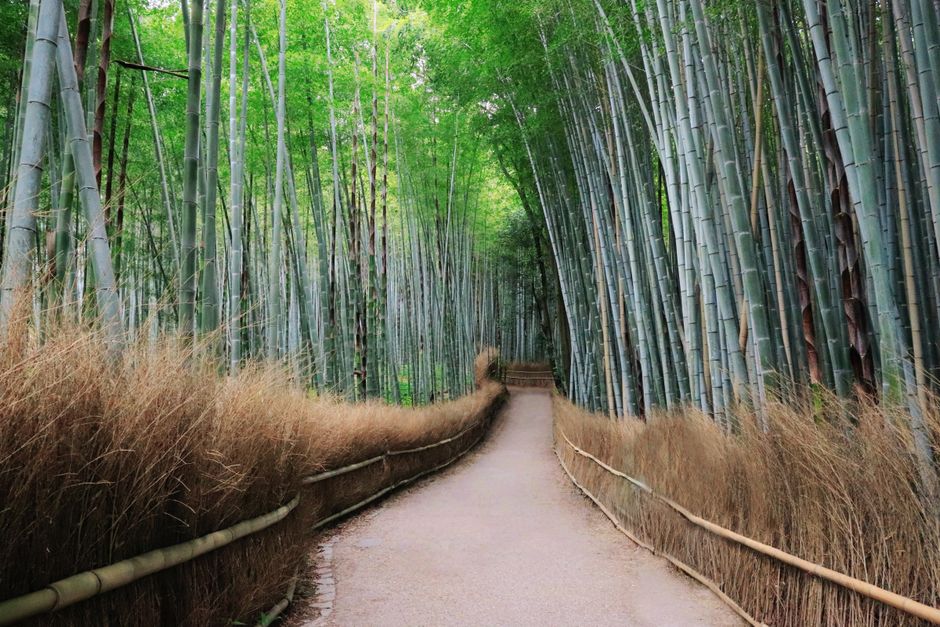
- Overcrowding: Fushimi Inari (5,000/day), Kinkaku-ji (10,000/day), Arashiyama (15,000/day)
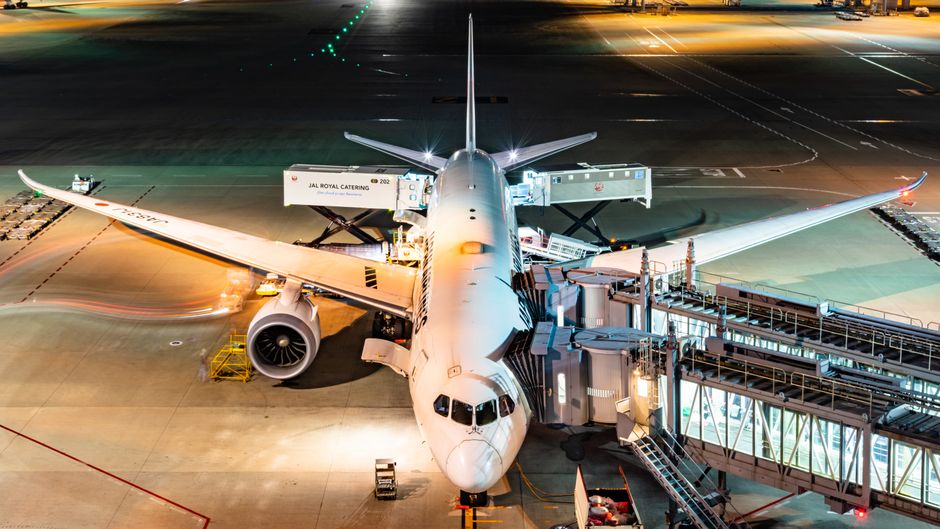
- Average CO2 from a return flight from Paris to Tokyo: 1.5 tonnes of CO2 per passenger
- Japanese hotels: 50% use fossil fuels, 30% have an eco-friendly programme
UNWTO recommendation: offset your flight, favour trains and stay longer in one region.
To get online as soon as you land, a Japan eSIM can be installed before you leave, with no need to look for a local SIM card.
Green transport: train vs plane
Trains are always more eco-friendly than planes:
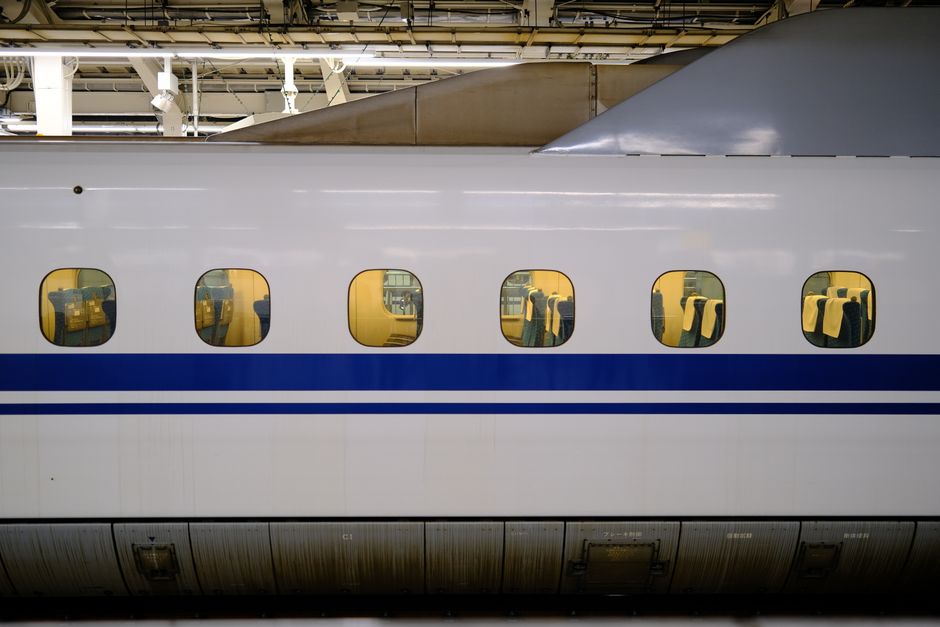
- Shinkansen: 0.034 kg CO2/passenger-km (very low)
- Short-haul flight: 0.255 kg CO2/passenger-km
- Long-haul flight: 0.150 kg CO2/passenger-km
Strategy: an international flight is unavoidable, but favour trains once there. Tokyo–Kyoto Shinkansen: 2h15 vs 1h15 by plane = 7 times less CO2.
See the JR Pass.
Carbon offsetting for your flight
Offsetting options:
- MyClimate (myclimate.org) — €25–40 for a return flight from Paris to Tokyo. Reforestation projects in Asia.
- Gold Standard (goldstandard.org) — certified projects.
- Atmosfair (atmosfair.de) — €30–50 for a return flight.
- Air France KLM: “CO2ZERO” option when booking, €15–30 return.
Footprint calculation: return flight from Paris to Tokyo = ~1.5 tonnes of CO2, at €25/tonne = €37.
Eco-friendly accommodation
Ethical labels and chains:
- Green Key (greenkey.global) — global hotel certification.
- EarthCheck — sustainable tourism label for Asia-Pacific.
- Hoshinoya (luxury) — 100% renewable energy.
- Tokyu Hotels — Green Stay programme, -30% CO2 since 2015.
- Mitsui Garden — eco-designed rooms, LED lighting, recycled water.
- Airbnb Eco-Stay — “eco-friendly” filter.
- Traditional ryokan: often less energy-intensive than modern chains.
Slow travel and regional tourism
The principles of slow travel:
- Longer stays in one region: 7 days in Tokyo/Kyoto > 3 days in 5 cities.
- Off-the-beaten-track Hokkaido: Asahikawa, Furano, Biei — few tourists.
- Shikoku’s 88 temples: Buddhist pilgrimage, unspoilt nature.
- Tōhoku: Sendai, Aomori, Akita — an under-explored region.
- Outlying islands: Naoshima, Yakushima, Taketomi — slow life.
Ecotourism and local encounters
Twelve practical ways:
- Respect sites: do not climb on the torii (Fushimi Inari), and do not feed the deer (Nara) plastic.
- Buy locally: local crafts rather than mass-produced souvenirs from Akihabara.
- Eat locally: Kyoto kaiseki, Fukuoka ramen, Tokyo sushi — short supply chains.
- Reduce plastic: use a reusable bottle (Water bottle Japan is free in konbini for 100 yen).
- Sort your waste: take your rubbish back to the hotel (public bins are rare in Japan).
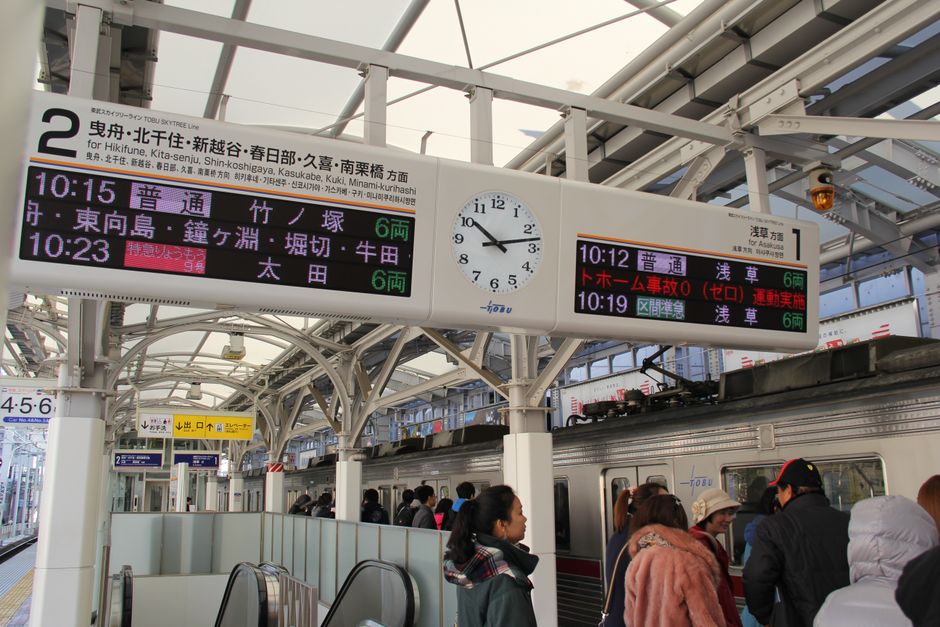
- Use public transport: Suica, metro, buses and trains. Avoid taxis.
- Direct flight: less CO2 than a flight with a stopover (take-off accounts for 50% of a flight’s CO2).
- No prohibited items: no counterfeit goods or animal products (ivory, turtle shell).
- Take photos without harassing people: do not photograph geiko in the street (fine).
- Local guided tours: Magi Café, Arigato Japan — revenue is redistributed.
- Voluntourism: 1–2 days of volunteering (beach clean-up, urban farm).
- Systematic CO2 offsetting: €30–40 for a 14-day trip.
You may also like
Continue exploring Japan with our additional guides.