Why visit Mount Takao from Tokyo?
Mount Takao offers a stark contrast with the capital’s highly urban neighbourhoods. In a short time, you go from stations and major roads to a mountain covered in vegetation. This proximity makes it appealing for a first hike in Japan, a break during a stay in Tokyo or an outing with companions of different abilities.
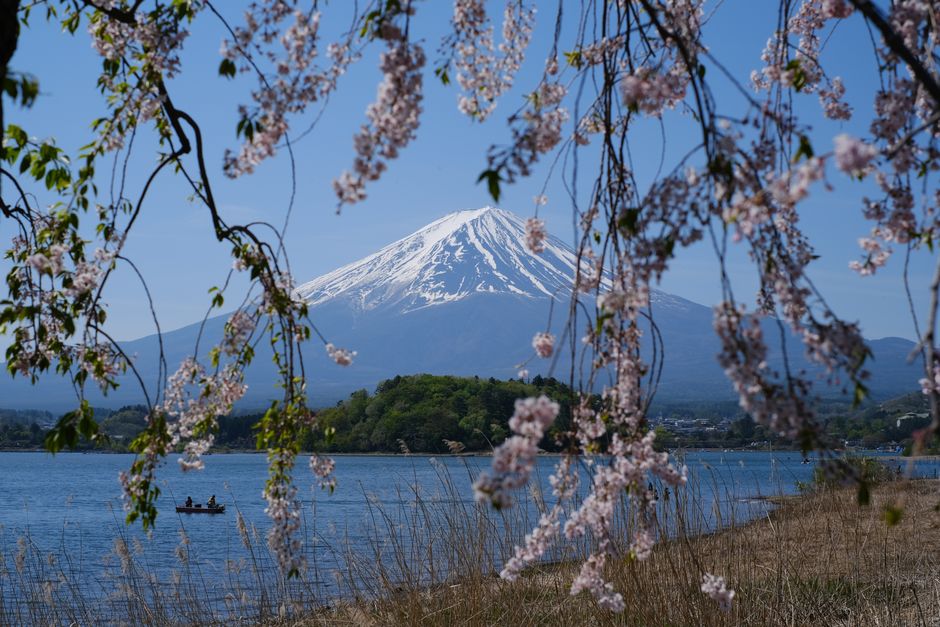
The summit reaches 599 metres. On a clear day, the panorama may extend towards Tokyo and Mount Fuji. Visibility nevertheless varies depending on the season, clouds and air pollution. It is better to view the landscape as a bonus rather than the sole reason for the trip.
Mount Takao is also associated with a sacred forest. This expression refers to the relationship between the mountain, its wooded areas, religious practices and Yakuō-in Temple. The site is therefore more than just a walk in the forest: some visitors also come for its spiritual atmosphere and heritage.
Tip: set up a Japan eSIM before departure so your data works on arrival.
Which hike should you choose on Mount Takao?
The trails do not all offer the same experience. Your choice depends on your fitness level, whether you want to walk on a developed path and how much time you have available. Before setting off, check the local conditions using the site’s official information, particularly if the weather is poor.
| Route | Features | Who is it for? |
|---|
| Trail No. 1 | Main route, paved, with viewpoints and stalls | First visit, comfortable walk, family group |
| Trail No. 3 | More natural and steeper path | Visitors wanting a less developed hike |
| Trail No. 4 | Route linking the summit to Kobotoke | Walkers wanting to extend or vary their outing |
| Trail No. 6 | Route following a river | Anyone who enjoys a forest atmosphere and natural paths |
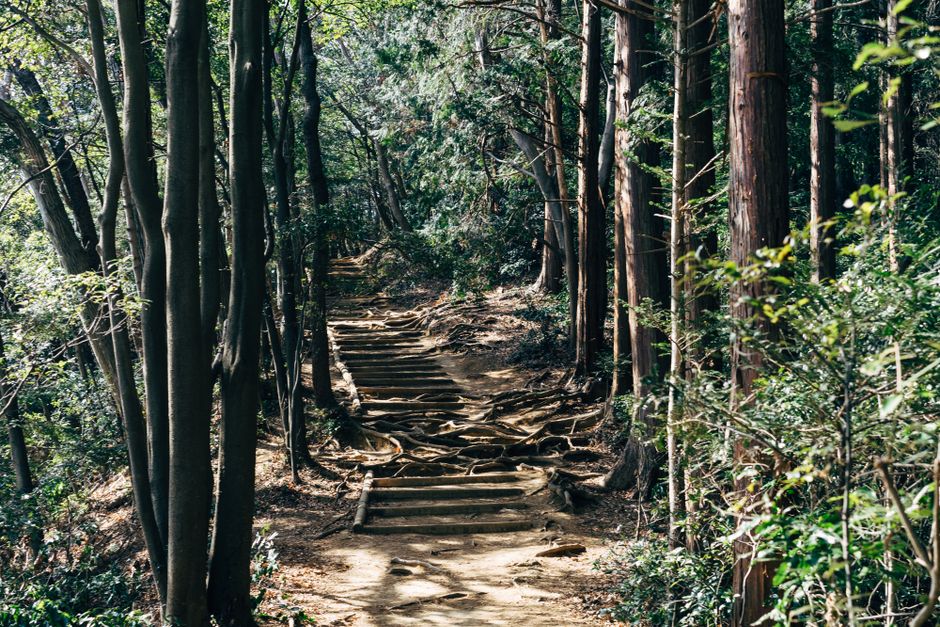
Trail No. 1 is the easiest choice for a first visit. Its surface makes walking easier, but it can be busy. Trails No. 3 and No. 6 feel wilder; stable footwear and care on damp sections are therefore useful. Trail No. 4 offers the option of taking a different route back or continuing towards Kobotoke.
Cable car, funicular or walking
You can walk up, use the cable car or take the funicular. Walking allows you to enjoy the forest and points of interest gradually. Mountain transport reduces the effort of the climb, but does not necessarily replace a walk: it is still possible to walk around the summit and temple.
Fares and timetables may change. Check the operators’ official information before setting off, especially during busy periods or in unfavourable weather conditions.
Sacred forest and religious heritage of Mount Takao
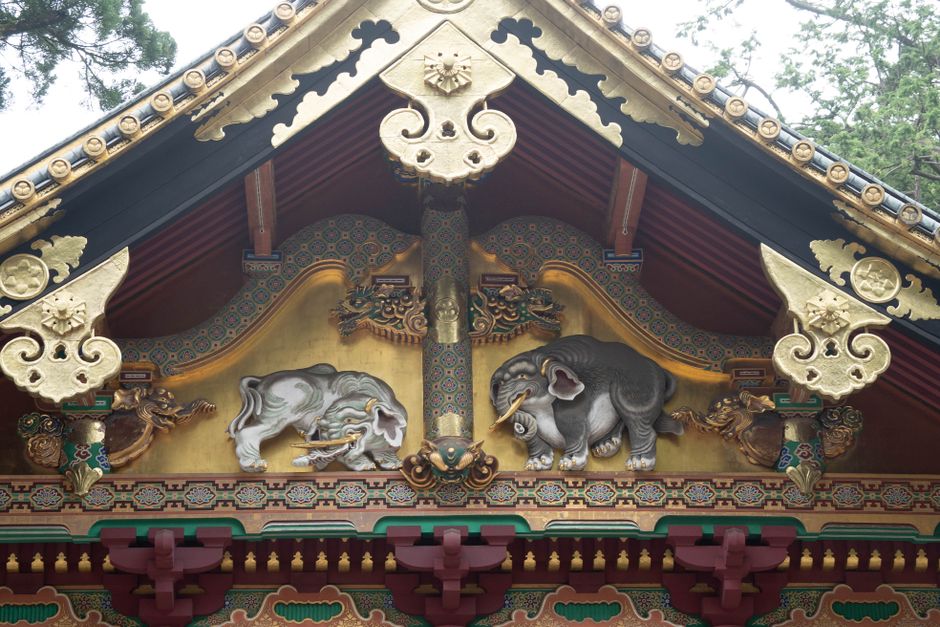
The forest on Mount Takao is linked to the mountain’s religious history. Yakuō-in Temple, founded in 744 according to the information presented on the site, is located halfway up the mountain. Its architecture, guarded gates and prayer halls line the climb. The site is associated with tengu, mythological figures often depicted with long noses and linked to the mountains.
Visit the temple discreetly: stay on authorised paths, observe worshippers’ practices and avoid disrupting ceremonies. A forest considered sacred is discovered as much through silence and attentiveness to the site as through photography.
What should you look at during your visit?
- The gates and buildings of the religious complex.
- The statues and representations associated with tengu.
- The wooded areas around the path.
- The viewpoints provided near the main route.
- The signs explaining the mountain’s environment and history.
To place this stop within your trip, you can also visit Asakusa and Sensō-ji Temple, another major religious site in Tokyo, but in a very different urban setting.
When should you visit Mount Takao?
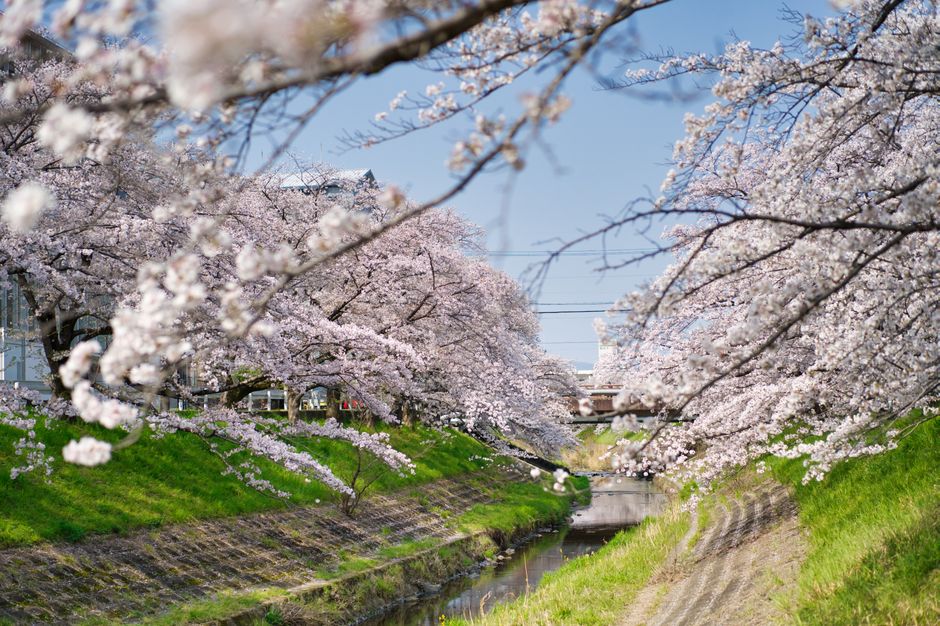
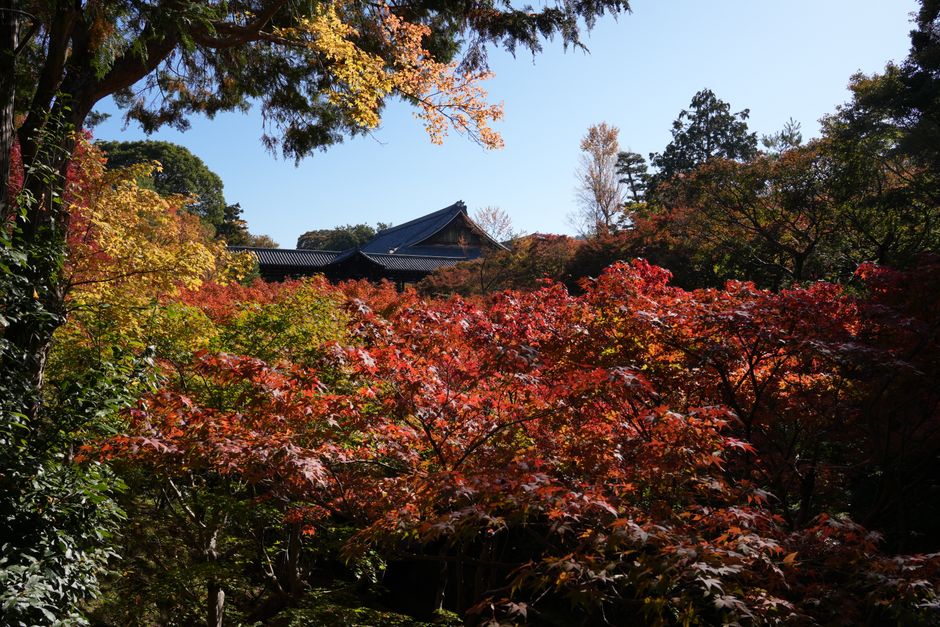
The landscape changes with the seasons. Spring is popular for its azaleas, while November attracts visitors who want to see the autumn colours and momiji. Summer brings dense vegetation, but the heat can make the climb more demanding. In winter, visibility can be good when the sky is clear, although conditions on the paths may be colder.
Weekends, public holidays and periods of seasonal colour can be very busy. Setting off early makes it easier to walk more peacefully and find a place on public transport or in restaurants. Check the weather, trail conditions and any restrictions before leaving Tokyo.
What should you take on your trip?
- Footwear suitable for walking, especially for the natural trails.
- Water and sun protection in hot weather.
- An extra layer when the temperature drops or if you stay until the end of the day.
- A suitable means of payment for transport and the shops you visit.
- A bag for taking your rubbish with you if no bin is available.
The paths do not all require the same level of effort. If you are travelling with young children, an older person or a walker who is not used to hilly terrain, choose the developed route and adjust the distance. If you have a health problem or are unsure of your physical abilities, seek advice from a healthcare professional.
Organising your journey and day
From Shinjuku, the Keiō Line reaches Takaosanguchi in around 50 minutes by express train. From the station, access to the foot of the mountain is direct. As journey times and fares may change, check the railway company’s information on the day of departure.
A simple plan is to set off in the morning, climb via a suitable route, visit Yakuō-in, have lunch nearby, then descend by another path or using mountain transport. You can then return to Tokyo and continue sightseeing. To choose convenient accommodation before or after this trip, compare the Tokyo neighbourhoods where you can stay.
Mount Takao can also be included in a wider itinerary with Hakone, Nikko or Kawaguchiko. However, avoid fitting in too many stops on the same day if you want to walk without rushing. For a nature-focused outing, dedicating the day to Takao allows you to enjoy the temple, trails and food breaks.
Respecting the mountain
- Stay on marked trails.
- Do not feed the animals or try to approach them.
- Do not pick plants or remove any natural items.
- Keep noise levels moderate near the temple and in wooded areas.
- Take your rubbish with you when waste-collection facilities are not available.
This consideration protects biodiversity and preserves the special atmosphere of Mount Takao. It also allows visitors, local residents and mountain users to share the mountain in good conditions.
Frequently asked questions
How do you get to Mount Takao from Shinjuku?
Take the Keiō Line towards Takaosanguchi from Shinjuku. The express train journey takes around 50 minutes, depending on the service you take. On arrival, the station is near the foot of the mountain. Check the timetable, connections and fares with the operator before you set off.
Is Mount Takao suitable for beginners?
Yes, Mount Takao is suitable for a first hike if you choose Trail No. 1, which is well developed. The other routes are more natural or steeper. Wear suitable shoes, go at your own pace and turn back from a section if the weather or your physical condition means it is not safe to continue.
Can you see Mount Fuji from Mount Takao?
Mount Fuji is visible from certain points on Mount Takao when the sky is clear enough. The view depends heavily on the weather and visibility on the day. Check the conditions before setting off, but do not plan your entire trip around this panorama, as it is never guaranteed.
What does sacred forest mean at Mount Takao?
This expression describes the connection between the forest, the mountain and the religious traditions associated with Mount Takao. Yakuō-in Temple and the stories linked to the tengu contribute to this spiritual identity. It is not a separate attraction, but a way of understanding the site's heritage and atmosphere.
What should you eat after a hike in Takao?
The area around the station and the foot of the mountain has a number of soba restaurants. Tororo soba, served with grated yam, is one of the specialities associated with Takao. The options, opening hours and available seating vary depending on the season and how busy it is.