Why visit Hirosaki
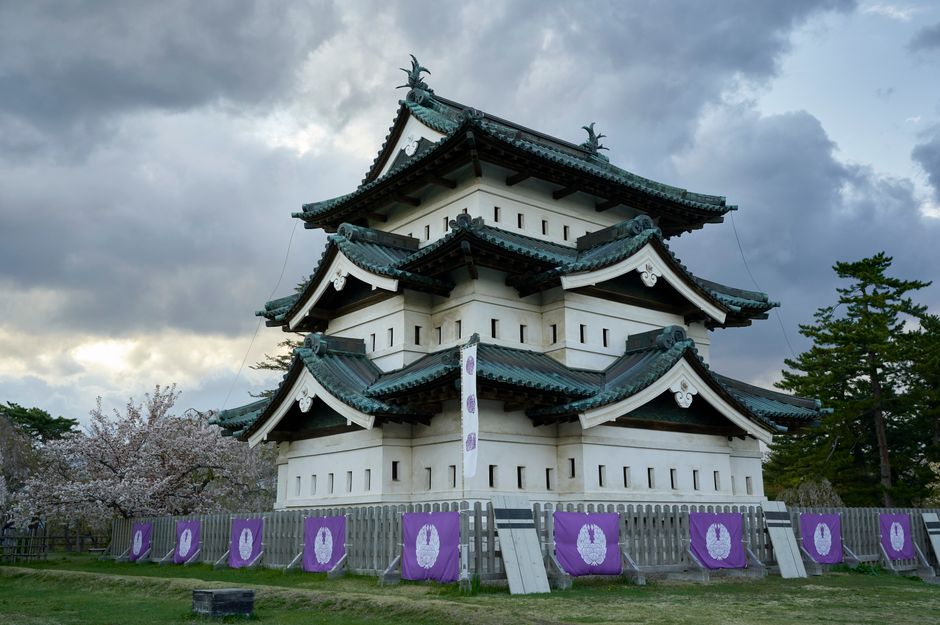
Hirosaki stands out for its historic castle and cherry-tree park, but also for its role as the cultural capital of the Tsugaru region. Unlike Japan’s major cities, Hirosaki retains a peaceful, authentic atmosphere, with samurai districts, ancient temples and craftspeople preserving traditional techniques. The city serves as a gateway to the mountains of Aomori, Mount Iwaki and the wild landscapes of Tōhoku.
Here you will discover unique local cuisine, apples renowned throughout Japan and lively festivals that attract millions of visitors every summer. Hirosaki combines feudal heritage, unspoilt nature and living traditions, making it an essential stop for anyone wishing to explore northern Japan beyond the classic itineraries.
When to visit Hirosaki
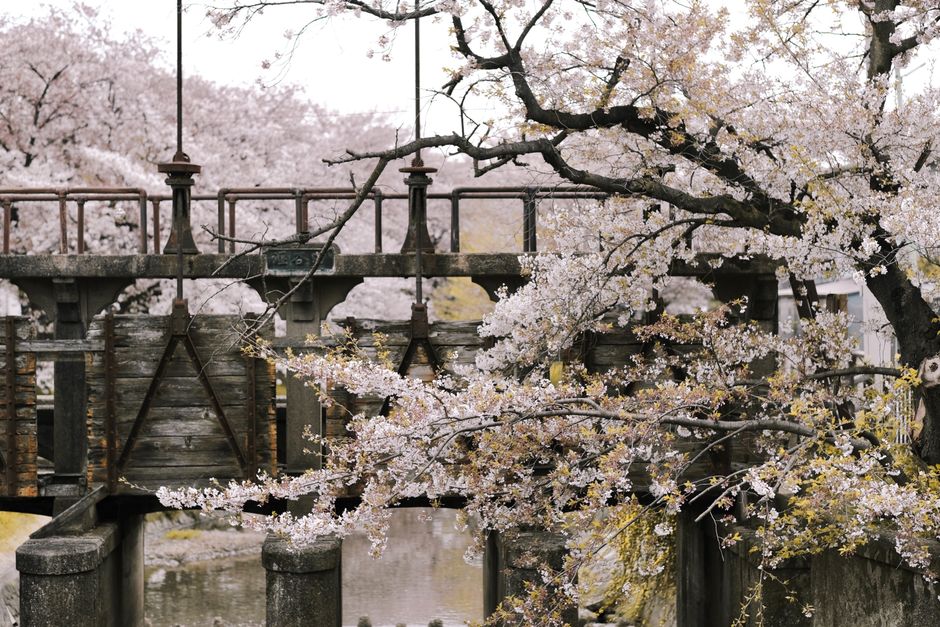
The cherry blossom season, from late April to early May, attracts the largest number of visitors. The castle park turns into a sea of pink and white, with night-time illuminations and food stalls. The Hirosaki Sakura Matsuri is held every year from 23 April to 5 May, with cultural activities and shamisen performances.
The Aomori Nebuta Festival, held from 2 to 7 August, is the other major event of the year. Although the festival takes place in Aomori, 30 minutes away by train, Hirosaki serves as a base for visitors wishing to explore the region. Autumn, from September to October, brings flamboyant colours to the surrounding mountains and marks the apple harvest season. Winters are harsh, with heavy snowfall, but the region’s onsens and the snow-covered landscapes of Mount Iwaki attract nature lovers.
Tip: set up a Japan eSIM before departure so your data works on arrival.
Getting to and around Hirosaki
From Tokyo, take the Hayabusa Shinkansen to Shin-Aomori, then the JR Ōu Main Line to Hirosaki. The total journey takes around four hours and is covered by the JR Pass. Aomori Airport receives flights from Tokyo Haneda, Osaka Itami, Sapporo and Nagoya, with a bus connection to Hirosaki taking 30 minutes. Express buses link Tokyo to Aomori in nine hours, an economical option for travellers with plenty of time.
Within Hirosaki, a local bus network serves the main tourist attractions. A day pass allows unlimited travel between the castle, temples and museums. The city is also easy to explore by bicycle, with rental services available near the station. To reach natural sites such as Mount Iwaki and Lake Tsugaru, a hire car offers greater flexibility. Aomori, 30 minutes away by train, makes an easy day trip for attending the Nebuta Festival or visiting the Nebuta Warasse museum.
What to see and do around the castle
Hirosaki Castle Park covers several hectares and contains moats, historic bridges and landscaped gardens. In addition to cherry trees, you will find plum trees, azaleas and chrysanthemums depending on the season. Adjacent to the park, the Fujita Memorial Garden offers a stroll through a traditional Japanese garden with a pond, tea pavilion and views of Mount Iwaki.
The samurai districts north of the castle preserve wooden houses and period gateways. Some residences are open to visitors and showcase the way of life of the Tsugaru clan’s warriors. The Tsugaru lacquerware museum displays local handicrafts, with demonstrations of the seven-layer lacquering technique. Saishō-in Temple, founded in 1189, houses a collection of Buddhist statues and provides a peaceful setting for a meditative break.
| Site | Type | Main attraction |
|---|
| Hirosaki Castle | Historic monument | Tower designated a national treasure, cherry trees |
| Fujita Memorial Garden | Japanese garden | Pond, tea pavilion, views of Mount Iwaki |
| Samurai district | Historic district | Wooden houses, period gateways |
| Tsugaru lacquerware museum | Craft museum | Seven-layer lacquerware, demonstrations |
| Saishō-in Temple | Buddhist temple | Buddhist statues, founded in 1189 |
Nature excursions from Hirosaki
Mount Iwaki, nicknamed the Fuji of Tōhoku for its conical shape, dominates the landscape west of Hirosaki. Several hiking trails lead to the summit, offering panoramic views of the Sea of Japan and the Tsugaru Peninsula. The cable car makes access easier for less athletic visitors. At the foot of the mountain, Lake Tsugaru offers peaceful walks and views of the volcano.
The Hakkōda mountain range to the north-east is home to birch forests, marshes and natural hot springs. Hiking trails cross volcanic landscapes and areas of fumaroles. In winter, the region becomes a paradise for ski-touring and snowshoeing enthusiasts. The Tsugaru Peninsula to the north-west features a rugged coastline with cliffs, sea caves and Cape Tappizaki, the northernmost point of Honshū.
Food and local specialities
Hirosaki and its surrounding region produce apples renowned throughout Japan, particularly the Tsugaru variety. You will find them in the form of juice, pies, cider and even curry. Garutsa, grilled river carp, is a traditional dish served in local restaurants. Tsugaru-ryō cuisine blends Japanese and Western influences, with dishes served in lacquered containers and rice-based preparations.
Hirosaki’s markets offer fresh produce, mountain vegetables and wild mushrooms. Local confectioners often use apples as their main ingredient. Restaurants around the castle serve seasonal specialities, with hanami menus in spring and hot dishes in winter. For an authentic experience, look for izakayas run by local families, where you can sample dishes prepared according to recipes passed down from generation to generation.
Tsugaru crafts and culture
The Tsugaru shamisen is distinguished by its fast, percussive playing style, developed by itinerant blind musicians in the 19th century. Performances are held regularly in Hirosaki’s cultural venues, and some workshops offer introductory sessions. Tsugaru Nuri lacquerware, recognisable by its multicoloured patterns created by layering seven coats, is still made in family-run workshops. You can visit some of them and watch the artisans at work.
Tsugaru Shikō earthenware, with its red glaze, is used to make bowls, vases and decorative objects. The Tsugaru dialect, considered one of the most difficult in Japan, remains alive in the surrounding countryside. Hirosaki residents generally speak standard Japanese, but you will sometimes hear local expressions in markets and small shops. To deepen your understanding of traditional Japanese culture, see our guide to the art of living at the heart of Japanese tradition.
Where to stay in Hirosaki
Hirosaki offers accommodation for all budgets, from traditional ryokans to modern hotels. The ryokans near the castle provide an authentic experience, with tatami, futons and kaiseki meals. Some have private baths overlooking the park. Business hotels, concentrated around JR Station, offer functional rooms at affordable prices, ideal for travellers in transit.
Youth hostels and guesthouses attract budget travellers and encourage encounters between international visitors. During cherry blossom season and the Nebuta Festival, book several months in advance, as accommodation fills up quickly. The villages around Hirosaki, particularly at the foot of Mount Iwaki, offer minshukus and family-run guesthouses, perfect for exploring the surrounding countryside.
Combining Hirosaki with other destinations
Hirosaki fits naturally into a Tōhoku itinerary. From Aomori, you can reach Lake Towada and the Oirase Gorge, renowned for their autumn colours. To the south, Morioka and its wanko soba noodles are two hours away by train. Sendai, the largest city in Tōhoku, provides easy access to Zuigan-ji Temple and the islands of Matsushima.
For a complete tour, combine Tokyo, Sendai, Morioka, Hirosaki, Aomori and Lake Towada over eight to ten days. The JR Pass covers all journeys on Shinkansen and local trains. If you have more time, continue to Sapporo by ferry or plane, or explore the Shimokita Peninsula and its fishing villages. To plan your travel around the country, see our guide to the Suica card, useful for local transport in Hirosaki and the major cities.
Frequently asked questions
How long do you need to visit Hirosaki?
One day is enough to see the castle, park and main temples. Allow two to three days if you want to explore the surrounding area, hike Mount Iwaki, visit artisans' workshops and attend shamisen performances. During cherry blossom season or the Nebuta Festival, add an extra day.
Does the JR Pass cover the journey to Hirosaki?
Yes, the JR Pass covers the Hayabusa Shinkansen to Shin-Aomori and the JR Ou Main Line to Hirosaki. The total journey from Tokyo takes around four hours. The pass also covers local trains in the Aomori region and connections to Sendai and Morioka.
Can you visit Hirosaki in winter?
Yes, but expect heavy snowfall and below-freezing temperatures. The castle and park remain accessible, with a particular charm under the snow. The region's onsens and the snow-covered landscapes of Mount Iwaki attract nature lovers. Bring warm clothing and suitable footwear.
Where can you watch the Nebuta Festival from Hirosaki?
The Nebuta Festival takes place in Aomori, 30 minutes by train from Hirosaki. Additional trains run during the festival, from 2 to 7 August. Arrive early to find a good spot along the parade route. Fireworks on the final evening are launched over Aomori Bay.
What souvenirs should you bring back from Hirosaki?
Tsugaru Nuri lacquerware, recognisable by its multicoloured patterns, makes a high-quality traditional souvenir. Apple products, including juice, cider, sweets and pies, are also very popular. You will also find Tsugaru Shikō pottery and lacquered wooden items in the shops around the castle.
Do you need to hire a car to visit Hirosaki?
No, for the city itself, local buses and bicycles are sufficient. A car becomes useful if you want to explore remote natural sites such as Mount Iwaki, Lake Tsugaru or the Tsugaru Peninsula. Public transport serves the main tourist sites, but services are limited outside the peak season.