
The Sapporo Snow Festival
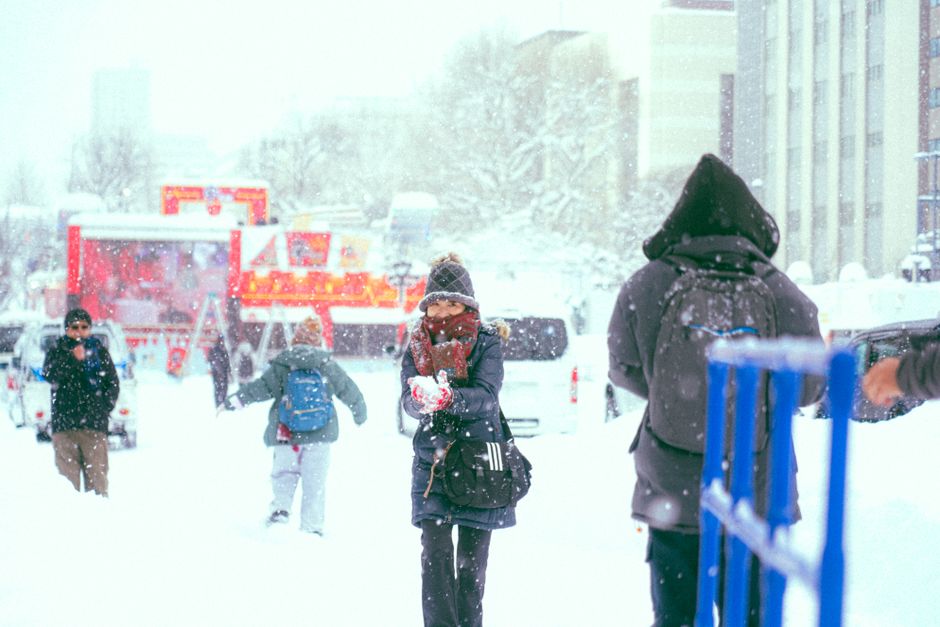
The Sapporo Snow Festival (さっぽろ雪まつり, Yuki Matsuri) is one of the world’s largest winter festivals, held every year in early February since 1950. It attracts more than 2 million visitors over one week.
Three main sites:
- Odori Site — The 1.5 km central avenue, featuring immense snow sculptures (up to 15 m) depicting monuments and characters.
- Susukino Site — More than 200 intricate ice sculptures, illuminated and open late into the night.
- Tsukisamu Site — Giant themed sculptures spread across 2 km², with a sledging slope for children.
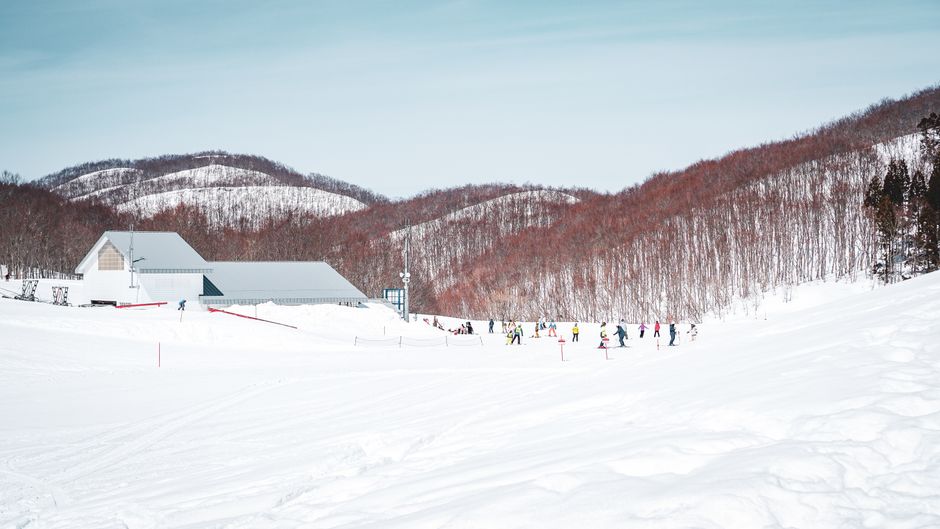
Origins: in 1947, local high-school pupils sculpted six snow statues in Odori Park. See our guide to skiing and snow in Japan.
Sapporo Cuisine
Sapporo is the culinary capital of Hokkaidō, renowned for its dairy products, fresh seafood and beers:
- Sapporo Miso Ramen — Ramen in a red miso broth with pork, vegetables and pickle butter. Ramen Yokocho (Ganso Sapporo Ramen Yokocho) in the Susukino district has been home to around twenty historic stalls since 1971.
- Soup Curry — Thick curry soup with local vegetables and chicken or seafood, originating in Sapporo in the 1970s.
- Genghis Khan (Jingisukan) — Flavourful grilled mutton, popular since the 1950s.
- Snow Crab (Tarabagani) — Served in winter (November–March), available at Nijō Market.
- Yubari Melon — An orange melon with a record price tag (sometimes 20,000 yen each at auction).
- Sake and whisky — Nikka (Yoichi) and Suntory (Shiojiri) distilleries.
Susukino District and Nightlife
Susukino (すすきの) is the largest entertainment district in northern Japan, with more than 4,000 dining and entertainment venues concentrated across 1 km².
It is the nocturnal equivalent of Shinjuku Kabukichō, but more accessible and less intimidating. Seafood restaurants, izakayas, karaoke venues, cocktail bars and a lively late-night entertainment scene remain active until the early hours. The district is also the centre of the snow festival and the Snow Festival Susukino Site.
Premier Hotel Nakajima Park Sapporo and the Sapporo Grand Hotel are nearby. See our hotels near Sapporo Station.
Cultural and Natural Attractions
Sapporo offers several major attractions:
- Clock Tower (Tokeidai) — A wooden building dating from 1878 and a historic symbol of the city.
- Mount Moiwa (531 m) — Panoramic views over the city and Ishikari Bay, accessible by cable car and funicular.
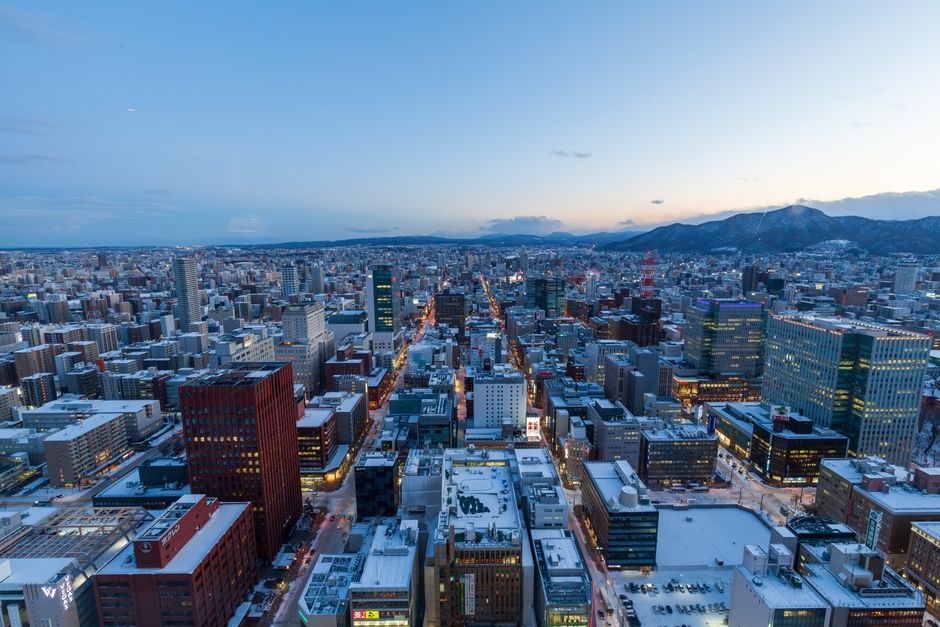
- Odori Park — A 1.5 km central green lung, home to the snow sculptures in February.
- Hokkaidō Botanical Gardens — 2,400 species, including giant Amazonian water lilies in spring.
- Sapporo Beer Museum — Tastings and a tour of the historic brewery founded in 1876.
- Hokkaidō Shrine — A Shinto shrine dedicated to the spirits of Hokkaidō, founded in 1869.
See our seasonal guide to plan your visit.
Getting to Sapporo and Getting Around
Sapporo is served by:
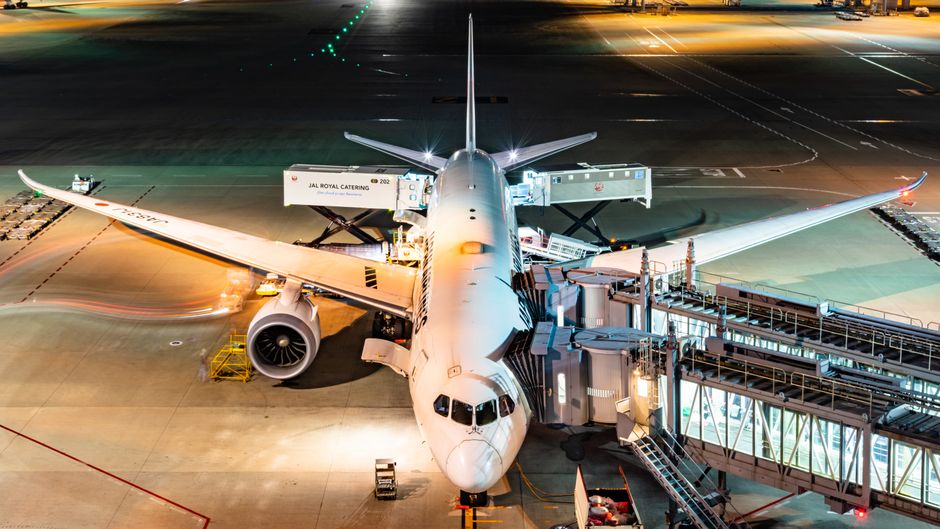
- Plane — New Chitose Airport (CTS), Japan’s fifth-largest airport with 18 million passengers annually. Direct flights from Tokyo Haneda (1h25), Osaka Itami (1h45) and Nagoya (1h40). Direct international connections from Taiwan, Hong Kong, Korea, China and Southeast Asia.
- Train — The Hokkaidō Shinkansen connects Tokyo to Shin-Aomori in 3h20 (since 2016). Beyond Shin-Aomori, the Hakuchō and Super Hokuto express trains cover the journey to Sapporo in 4h. The Sapporo Shinkansen project (extension due by 2030) will shorten this journey to 2h30.
- Long-distance bus — Willer Express and Donan Bus from Tokyo (16h by sleeper bus).
Once in Sapporo, the metro (3 lines), buses and the underground pedestrian walkway (AURORA TOWN) beneath the station make getting around easy. For trips to Niseko, Furano or Otaru, see our ski resort guide.
Day Trips from Sapporo
Sapporo is an ideal base for exploring Hokkaidō:
- Otaru (30 min by JR) — Historic port town with its canal and blown-glass shops.
- Niseko (2h by bus or train) — Internationally renowned ski resort with legendary powder snow.
- Furano (1h15 by train) — Lavender fields in summer and skiing in winter.
- Noboribetsu Onsen (1h20 by train) — Hot-spring town with Jigokudani (Hell Valley) and volcanic geysers.
- Lake Tōya (1h30 by bus) — Volcanic lake in a caldera, with an island in the centre.
- Asahikawa (1h30 by train) — Snow monkey sanctuary and famous zoo.
- Shiretoko (3h by bus) — UNESCO-listed peninsula with brown bears and birds of prey.
See our 10-day Japan itinerary combining Tokyo, Kyoto and Sapporo.
More to Discover
Continue exploring Japan with our related guides.