
Hakodate, Hokkaidō’s historic port
📍 City Guide

Hakodate, Hokkaidō’s historic port

Hakodate is Hokkaidō’s third-largest city, with 250,000 inhabitants. A historic port open to trade with foreign countries since 1854, the city offers one of the world’s three finest night views from Mount Hakodate, as well as a morning market renowned for its seafood.

Hakodate is a port city in southern Hokkaidō, known for the view from Mount Hakodate, its morning market and its heritage shaped by international trade. For a first visit, combine the mountain panorama, Hakodate Asa-ichi market, the sloping streets of Motomachi, the red warehouses and Goryō-kaku Fort.

The city is equally suited to a dedicated stop or a tour of southern Hokkaidō. Check the timetables for transport, cable cars, markets and attractions before you leave, as they may vary depending on the season or weather conditions.

eSIM: online on arrival

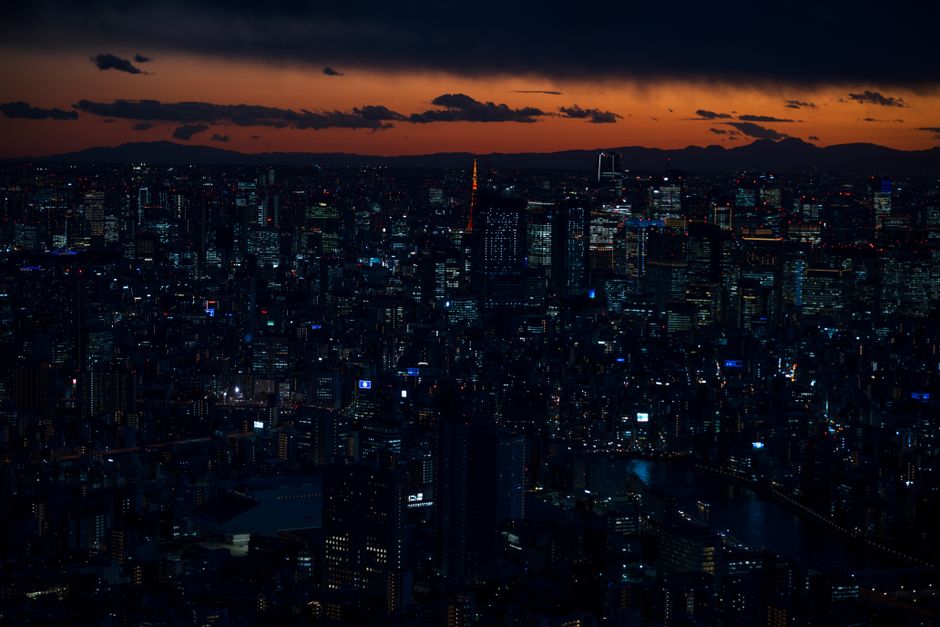
Mount Hakodate’s night view

Mount Hakodate (334 m) offers one of the world’s three finest night views (alongside Naples and Hong Kong), a distinction awarded by the Night View Selection guide in 2010.

The U-shaped view created by the two tongues of land surrounding the Tsugaru Strait is unique. The viewpoint can be reached:

  • By cable car from Motomachi Station (3 minutes, 1,280 yen return).
  • By car or taxi via the mountain road (road open in the evening).
  • On foot via a trail of around 1 hour (200 m of stairs).

The summit has a restaurant, a souvenir shop and a 360° observatory. Best time: just after sunset (around 17:00 in winter, 19:00 in summer).

See our guide to the seasons to plan your visit.

Hakodate’s morning market

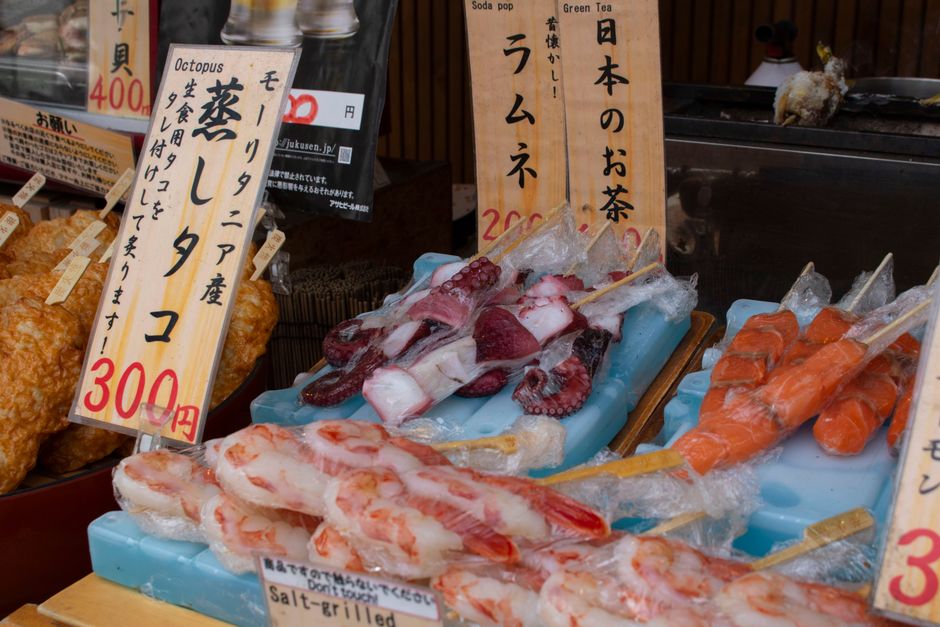
Hakodate Asa-ichi (函館朝市, morning market) is one of Japan’s three largest fish markets, with 250 stalls spread across 7 buildings open from 5:00 to 14:00.

Local specialities:

  • Ikura-don — Rice bowl topped with salmon roe (1,200–2,000 yen).
  • Kaisendon — Bowl topped with assorted seafood (sashimi, sea urchin, crab).
  • Donburi from the market — Breakfast set featuring a fresh product.
  • Live squid — Tentacles still moving on the plate, a Hakodate speciality.
  • Ikameshi — Squid stuffed with rice, sold at the historic train stand.

The tuna-cutting experience (maguro kiri) is offered at some stalls for 1,500–3,000 yen. See our street food guide.

Historic Motomachi district

The Motomachi district (元町) is the historic heart of Hakodate, with its hills, churches and 19th-century colonial buildings. Hakodate was indeed one of the first Japanese ports to open to foreign trade (1854, Treaty of Kanagawa).

Notable sites:

  • Russian Orthodox Church (Haristos Kōki byō-dō, 1916) — Green-and-white dome inspired by Saint Isaac’s Cathedral in Saint Petersburg.
  • Motomachi Catholic Church (1924) — National treasure status, built in red brick with a detached bell tower.
  • Former prefectural government building (旧北海道庁旧本庁舎, 1909) — Red-brick neo-Baroque architecture.
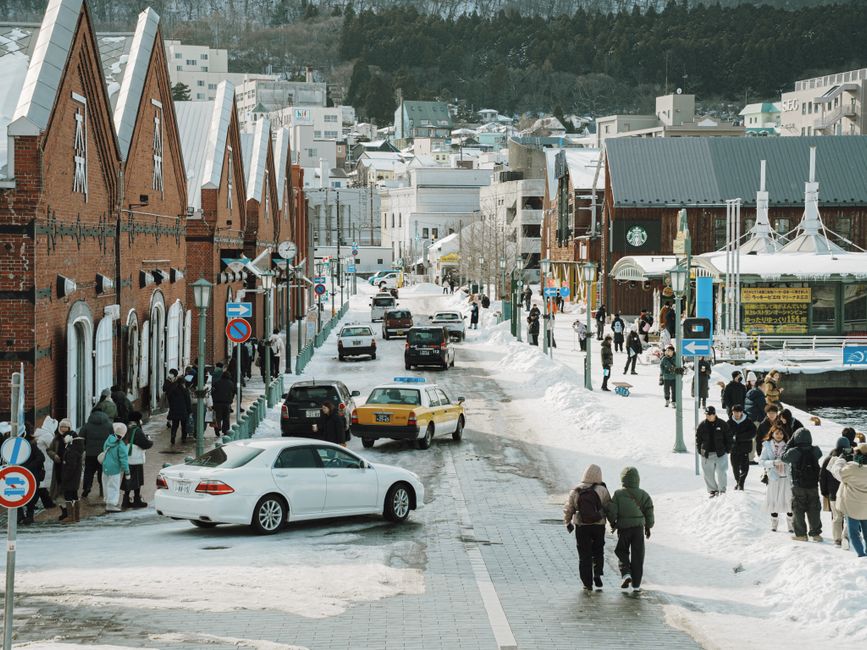
  • Red Warehouse District (Aka-Renga, 1913) — Port warehouses converted into shops, restaurants and museums.
  • Goryō-kaku Fort — Western-style star fort (1857), the first of its kind in Japan, marking the end of the Boshin War.

See our practical tips.

How to get to Hakodate

Hakodate is easily accessible from the rest of Japan:

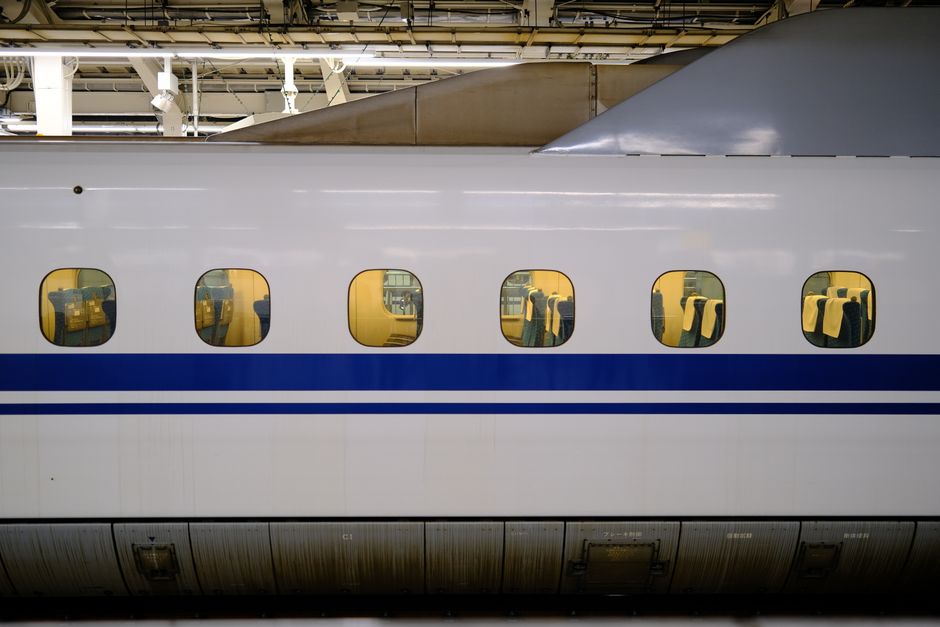
  • From Tokyo — Hokkaidō Shinkansen Hayabusa to Shin-Hakodate-Hokuto (4h10), then local K-Hokuto train (15 min). The direct Hakodate-Lane Shinkansen operated from 2002 to 2016.
  • From Sapporo — Super Hokuto express train (3h30, 4 trains/hour), covered by the JR Pass.
  • From Aomori — Hakuchō express train through the undersea Seikan Tunnel (1h30, the longest railway tunnel in the world, 53.85 km).
  • By ferry — Connection with Aomori (3h40, Tsugaru Kaikyō Ferry) for cars and pedestrians.

Hakodate Airport (HKD) is 20 minutes from the city centre by bus, with direct flights to Tokyo (1h25), Osaka (1h40) and Taiwan (3h30).

Classic combinations: Sapporo + Hakodate on a southern Hokkaidō tour.

Food and local specialities

Hakodate is renowned for its fresh produce and cosmopolitan culinary history:

  • Hakodate Shio Ramen — Clear salt-based broth, older than Sapporo’s miso ramen.
  • Uni-don — Rice bowl topped with sea urchin (uni), particularly renowned in Hakodate Bay.
  • Yaki-imo — Sweet roasted sweet potato, a popular winter snack.
  • Beer of Hakodate — Historic beer since 1903, brewed by Hakodate Beer.
  • Western confectionery — Snake, Mont-blanc, Bauman cake, a legacy of the Russian and Western presence.
  • Squid ink curry — Local curry flavoured with squid ink.

See our hotels in Sapporo and our itineraries.

Updated on

Tip: set up a Japan eSIM before departure so your data works on arrival.

Why visit Hakodate in southern Hokkaidō?

Hakodate has a different identity from Sapporo. The city brings together a port, hills, buildings linked to Japan’s opening to international trade and a strong maritime culture. The distances between the main districts make it possible to explore gradually, alternating viewpoints, urban walks, historical visits and seafood meals.

Its location at the southern tip of Hokkaidō makes it a natural stop for travellers arriving from northern Honshū or looking to extend a stay in Sapporo. To compare the atmosphere of the two cities, you can also consult our guide to Sapporo, the capital of Hokkaidō.

Hakodate is particularly appealing if you are looking for a manageable-sized city, architecture unlike that of Japan’s major metropolises and cuisine focused on fresh produce. Russian and Western influences can be seen in several buildings and in some local specialities.

What to do in Hakodate according to your interests?

For a first visit

  1. Start at the morning market to observe the port’s activity and sample seafood.
  2. Head to Motomachi and walk up or down its sloping streets between religious and historic buildings.
  3. Go up Mount Hakodate when visibility is good, ideally around sunset.
  4. Finish at the red warehouses, home to shops, restaurants and venues housed in former port warehouses.

For history and architecture

Motomachi is best explored on foot. The churches, Western-style buildings and views towards the port explain this district’s distinctive character. Take time to look at the façades rather than simply ticking off the attractions: the streets, stairways and openings onto the bay are all part of the experience.

Goryō-kaku Fort offers another perspective on Hakodate’s history. Its star shape and Western inspiration contrast with the port districts. The visit can be combined with a walk around the surrounding area, taking account of the site’s opening hours and the season.

For food lovers

Hakodate Asa-ichi Market is the obvious place to discover seafood. Rice bowls topped with seafood, sea urchin, salmon roe, crab and squid are among the specialities to look out for. The selection depends on the day’s deliveries and which stalls are open when you visit.

Don’t limit your culinary exploration to seafood. Shio ramen, with its clear, salty broth, is a speciality associated with Hakodate. Western-influenced confectionery and locally produced drinks also reflect the city’s cosmopolitan history. To broaden your culinary discoveries, also see our guide to the port culture of Kobe.

Which district should you choose when planning your visit?

District or siteMain attractionWhat to bear in mind
Mount HakodateViews over the city, port and straitCheck visibility and access times
MotomachiChurches, sloping streets and port-related heritageBe prepared to walk, including uphill sections and stairs
Hakodate Asa-ichiMorning market and seafood bowlsArrive early and check which stalls are open
Red warehousesShops, restaurants and a port atmosphereAllow for a flexible visit depending on shop opening hours
Goryō-kakuStar-shaped fortification and a historical perspective on the cityCheck access conditions before your visit

How should you plan an itinerary in Hakodate?

For a short visit, group places by area to avoid backtracking. The market and the area around the station are well suited to a morning visit. Motomachi and the red warehouses can then form a walk towards the port. Save Mount Hakodate for a time when the clouds and wind will actually allow you to enjoy the views.

With more time, separate the historic districts from the Goryō-kaku area. This will allow you to explore at a more relaxed pace and set aside time for a meal or a break in a café. Seasonal opening hours deserve particular attention for outdoor attractions and transport to higher areas.

How do you get to Hakodate?

Hakodate can be reached from Tokyo by Shinkansen to Shin-Hakodate-Hokuto, followed by a train connection into the city. From Sapporo, the train is a convenient option for travelling between the two destinations. Flights also serve Hakodate, while the ferry allows you to travel between Aomori and southern Hokkaidō.

The best option depends on your starting point, luggage and onward itinerary. Before booking, compare the latest timetables with the transport operators and check which station or airport is actually served. If your itinerary includes several cities, also consult our guide to the differences between kimono and yukata to prepare for your cultural visits in accordance with local customs.

Practical tips before you set off

Frequently asked questions

What should you do first in Hakodate?

For a first visit, prioritise Mount Hakodate, Hakodate Asa-ichi morning market, Motomachi, the red warehouses and Goryō-kaku Fort. The order depends on the weather and opening hours. Save the panorama for a time when visibility is good and check access on the day itself.

Is Hakodate worth visiting from Sapporo?

Yes, if you enjoy port cities, historic architecture, panoramic views and seafood. However, the journey calls for a proper stop rather than a hastily improvised detour. Compare train and flight timetables and the constraints of your itinerary before making your choice.

When should you go to Mount Hakodate?

The most popular time is around sunset, when the city begins to light up. The weather remains decisive: clouds, wind or mist can limit the view. Check the conditions for the day and the opening hours of the cable car or other access options before setting off.

What should you eat in Hakodate?

The morning market lets you sample rice bowls topped with seafood, sea urchin, salmon roe, crab or squid, depending on the catch. Shio ramen is another speciality associated with the city. Stalls and availability may vary from day to day.

How long should you allow to visit Hakodate?

The time needed depends on your pace and the districts you choose to visit. A short stop allows you to combine the market, Motomachi and Mount Hakodate. If you add Goryō-kaku, the red-brick warehouses and food breaks, allow for a more flexible schedule. Check opening times before planning your itinerary.