Tip: set up a Japan eSIM before departure so your data works on arrival.
Why do superstitions remain so widespread in Japan?
Japanese superstitions are not simply a matter of popular belief: they shape social behaviour and individual choices. Their persistence can be explained by three main factors.
First, the Japanese language itself encourages these beliefs. Homophones — words pronounced in the same way but with different meanings — create powerful mental associations. Thus, "shi" refers both to the number four and to death, while "ku" means nine and suffering. These wordplays are not incidental: they influence architecture (the absence of a fourth floor), gifts (avoiding combs, "kushi") and even number plates.
Secondly, Shinto and Buddhism have permeated Japanese culture for centuries. Shinto teaches that every element of nature houses a kami (spirit), requiring constant respect for the invisible. Buddhism adds a dimension linked to the cycle of life and death, with rituals to soothe souls. These two religious traditions complement each other and reinforce the idea that the visible world is only part of reality.
Finally, superstitions serve as social glue. They maintain harmony (wa) by codifying behaviour and avoiding conflict. Respecting these codes shows that you belong to the group and understand its cultural subtleties. For expats, knowing these customs makes integration easier and helps avoid faux pas.
Everyday gestures and objects to avoid
In Japan, some seemingly harmless gestures in the West are seen as serious taboos. They often recall funeral rituals or evoke death, making them socially unacceptable.
Chopsticks and rice
Standing your chopsticks upright in a bowl of rice is one of the best-known taboos. This gesture exactly replicates the Buddhist funeral offering, in which rice and chopsticks are placed in front of the altar of the deceased. Doing this at the table symbolically invites death to join the meal. Similarly, passing food from chopsticks to chopsticks recalls the cremation ritual, in which the deceased’s bones are transferred in this way. Both gestures should be avoided at all costs.
The direction in which you sleep
Sleeping with your head facing north (kita-makura) is reserved for the dead during Buddhist ceremonies. This orientation is believed to help the soul pass into the afterlife. In a home, check the direction of your bed: many Japanese people refuse to sleep this way, even in a capsule hotel in Japan where space is limited.
Mirrors and the night
Covering mirrors before going to sleep is an old custom. There is a fear that the soul, which leaves the body during sleep, may become lost in the reflection, or that an evil spirit may pass through the mirror. This practice remains common in traditional households.
Gifts to avoid
Certain gifts are viewed unfavourably because of their symbolism. Clocks and watches evoke time running out towards the end of life. Knives and sharp objects suggest a break in a relationship. Combs (kushi) combine "ku" (suffering) and "shi" (death). Finally, writing someone’s name in red is like inscribing it on a gravestone, as red ink is traditionally used to engrave the names of the living on family memorials.
Lucky and unlucky numbers
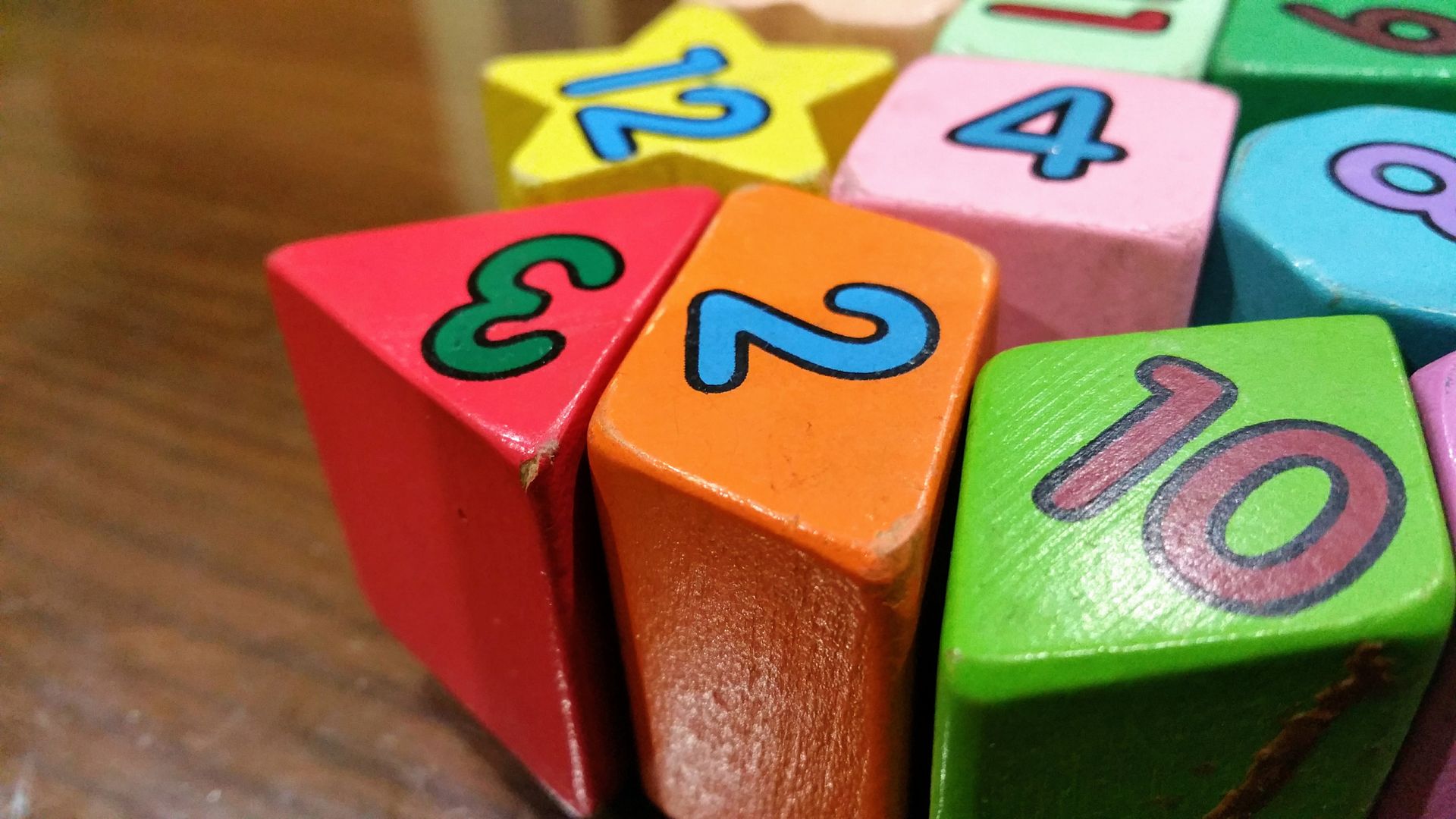
Japanese numerology is based on homophones and influences major decisions, from property to marriage. Here is a summary table of numbers and their symbolism.
| Number | Pronunciation | Meaning | Practical impact |
|---|
| 4 | Shi | Death | The 4th floor is omitted and avoided in hospitals and buildings |
| 9 | Ku | Suffering | Avoided in health and well-being contexts |
| 7 | Shichi | Good fortune (Seven Gods of Fortune) | Considered favourable and used in festivals |
| 8 | Hachi | Prosperity (the shape widens) | Sought after for business and important events |
| 42 | Shi-ni | "Going towards death" | Avoided in number plates and room numbers |
These beliefs have real economic consequences. Flats on the fourth floor rent for less, and properties where a death has occurred (jiko bukken) must be disclosed by law. These "problem properties" are often sold at knock-down prices, as Japanese people fear lingering spiritual residue. To find out more about the average salary in Japan and purchasing power, see our dedicated guide.
Amulets and protective objects
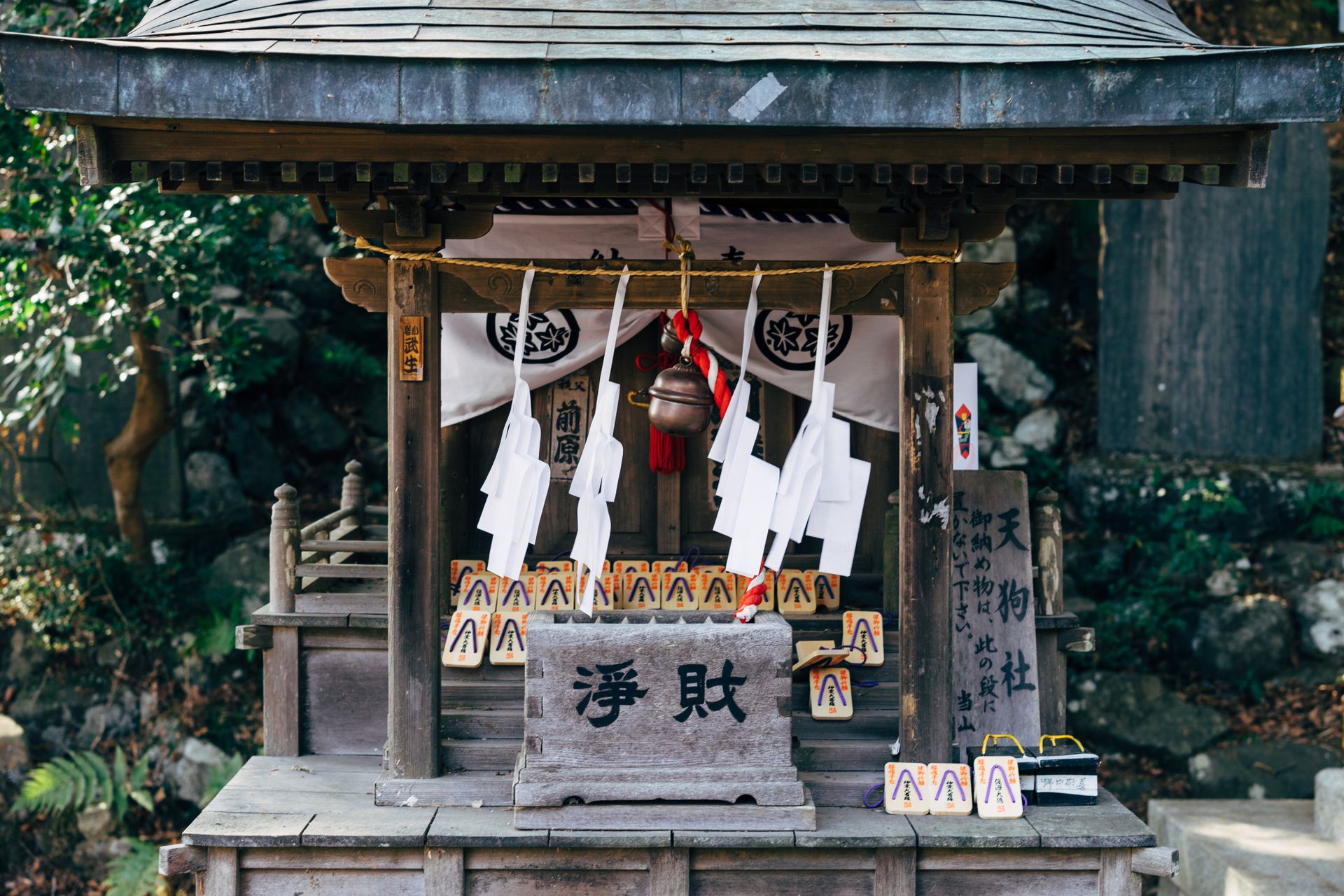
To ward off negative energies and years of bad luck, Japanese people rely on an array of protective objects, often bought at Shinto shrines or Buddhist temples.
Omamori
These small fabric pouches contain prayers written by a priest. Each omamori has a specific purpose: health, love, success in exams and road safety. An omamori should never be opened, as this would cancel its protection. After one year, it must be returned to the shrine to be ritually burned at New Year.
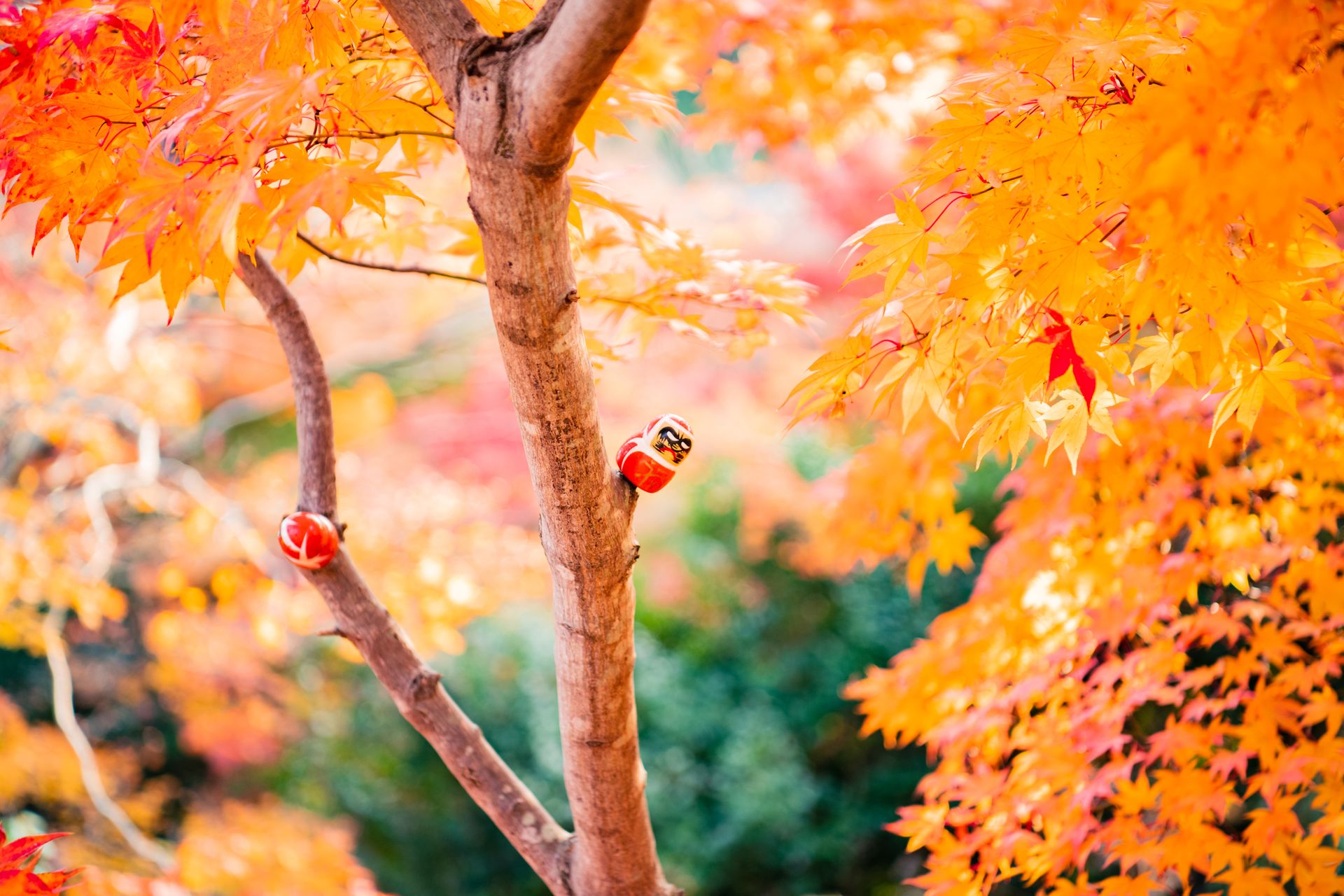
Daruma
This round, often red doll represents Bodhidharma, the founder of Zen Buddhism. One eye is coloured in black while making a wish, and the second once the goal has been achieved. Daruma are very popular for New Year’s resolutions or professional projects.
Hamaya
The "arrow that destroys demons" is sold at shrines at New Year. It is placed at home, pointing towards an unfavourable direction according to the calendar, to repel harmful influences. It is particularly popular with families and shopkeepers.
Teru teru bozu
This small white paper or fabric doll is hung by the window to bring fine weather. Children make them before school trips or outdoor events. If the rain persists regardless, it can be hung upside down or thrown away.
The rokuyo calendar and lucky days
The rokuyo calendar is a six-day cycle that determines favourable or unfavourable days for important events. This system, which originated in China, is still widely followed in Japan.
- Taian: a day of great luck, ideal for weddings, openings and signing contracts. Reception venues are fully booked months in advance for these dates.
- Butsumetsu: a day of absolute bad luck, to be avoided for any celebration. Weddings on this day are rare and often cheaper.
- Sensho: favourable in the morning and unfavourable in the afternoon. Morning ceremonies are preferred.
- Tomobiki: "dragging a friend along". Avoided for funerals, as there is a fear that the deceased may take a loved one with them. Crematoriums often close on this day.
- Senbu: unfavourable in the morning and favourable in the afternoon.
- Shakku: a neutral day, neither particularly lucky nor unlucky.
This calendar influences personal and professional decisions. Companies choose their launch dates according to the rokuyo, and couples plan their weddings years in advance to ensure they fall on a taian day. For expats, understanding this system makes it easier to coordinate with Japanese colleagues and partners.
Animals and their symbolism
Animals occupy a central place in Japanese superstitions. They are often seen as divine messengers or symbols of good fortune.
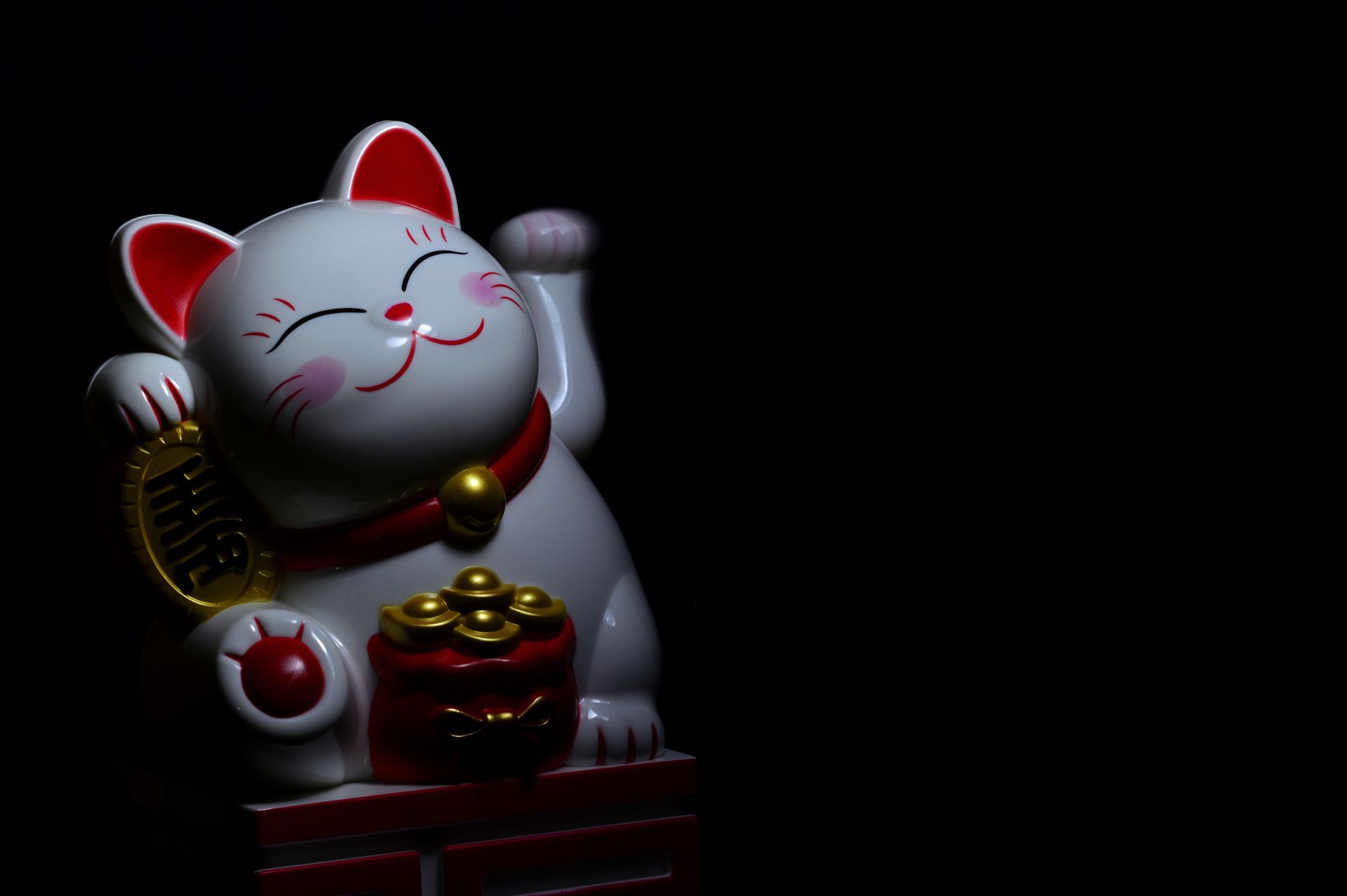
- Maneki-neko: the cat that beckons fortune. Left paw raised to attract customers, right paw for personal luck. It can be found in shops, restaurants and even konbini in Japan.
- Kitsune (fox): messenger of the deity Inari, protector of harvests and commerce. Inari shrines are recognisable by their hundreds of red torii gates and fox statues.
- Fukurou (owl): a symbol of protection from suffering. "Fu" means "not" and "kurou" means "suffering". Owl figurines are given as a wish for a life without hardship.
- Black cat: unlike in Western superstition, encountering a black cat in Japan is often considered a sign of good fortune or healing, depending on the region.
- Crane (tsuru): a symbol of longevity and happiness. Folding a thousand origami cranes (senbazuru) is believed to grant a wish or aid the recovery of someone who is ill.
These animals are ubiquitous in popular culture, from manga to video games, helping to pass these beliefs on to new generations.
Years of bad luck (yakudoshi) and purification rituals
Certain years of life are considered critical (yakudoshi). For men, these are ages 25, 42 and 61; for women, 19, 33, 37 and 61. The age of 42 for men (shi-ni, “to go towards death”) and 33 for women (san-zan, “great ordeal”) are the most feared.
During these periods, people visit a shrine for a purification ritual (yakuyoke). The priest recites prayers, burns incense sticks and provides a protective amulet. Many Japanese people take extra precautions: avoiding major changes (moving house, changing jobs), taking extra care when travelling and having regular medical check-ups.
These beliefs influence professional and personal decisions. An employee in a year of bad luck may postpone a transfer or an ambitious project. For expatriates on a Working Holiday in Japan, understanding these customs can help explain certain reservations or behaviours among colleagues.
Regional superstitions and local variations
Japan has many regional superstitions, inherited from its agricultural history and local folklore. These beliefs vary from one prefecture to another, reflecting the cultural diversity of the archipelago.
In Hokkaido, the northern island, some superstitions are linked to the harsh climate and bears. People avoid whistling in the forest, as it is believed to attract wild animals. In rural areas, festivals (matsuri) remain key occasions for praying for good harvests, with specific rituals to drive away evil spirits.
In Okinawa, the influence of Ryukyuan beliefs blends with Shintoism and Buddhism. Shamans (yuta) play an important role in spiritual consultations and protection rituals. Traditional houses incorporate elements of local feng shui to encourage the flow of positive energy.
In major cities such as Tokyo and Osaka, superstitions are modernising without disappearing. Mobile apps offer daily horoscopes based on rokuyo, and companies consult specialists before launching a product or opening a new shop.
The impact of superstitions on the economy and society
Japanese superstitions are not mere folklore curiosities: they have measurable economic and social consequences. The market for amulets and purification rituals is worth several billion yen each year. Shrines and temples derive a significant proportion of their income from selling omamori, hamaya and prayer services.
The property market is directly affected by these beliefs. Jiko bukken (properties where a death has occurred) must be disclosed by law and are rented or sold at reduced prices. Flats on the fourth floor are less sought after, and some developers go straight from the third to the fifth floor in their numbering.
Weddings are planned according to the rokuyo calendar. Taian days are fully booked months or even years in advance, while butsumetsu days are avoided. Reception venues adjust their prices accordingly, creating a two-tier economy depending on the date.
Companies incorporate superstitions into their strategies. Product launches avoid unfavourable days, and shop openings take place after a purification ritual (jichinsai) to ensure the goodwill of the local kami. Even major multinationals observe these customs so as not to offend the sensibilities of their Japanese employees and customers.
Frequently asked questions
Why should you not cut your nails at night in Japan?
Cutting your nails at night (yoru no tsume) is discouraged because it sounds like the expression “shorten your own life”. Historically, this warning was intended to prevent accidents in the dark, before the advent of electricity. Today, this superstition persists out of respect for tradition and social harmony.
What should I do if I spill salt in Japan?
Salt is a powerful purifier in Shintoism. If you spill some, or if you have just returned from a funeral, throw a pinch over your left shoulder to ward off evil spirits. Sumo restaurants place salt at the entrance to purify the premises and attract good luck.
Do black cats bring bad luck in Japan?
No, quite the opposite. In many parts of Japan, seeing a black cat is considered a sign of good fortune or recovery. This belief differs from the Western superstition. The black maneki-neko is also reputed to drive away evil spirits and protect against illness.
Why do Japanese people hide their thumbs when a hearse passes?
The word for thumb is “oyayubi”, literally “parent finger”. Hiding your thumb when you see a hearse pass symbolises protecting your parents from passing death. This gesture, taught from childhood, is still practised even by younger urban generations.
How should you dispose of an expired omamori?
Never throw an omamori in the bin. After one year, return it to the shrine where you bought it, or to any Shinto shrine. It will be ritually burned at New Year (dondo-yaki), thereby releasing the spiritual energy it contained.
Why is whistling at night frowned upon in Japan?
Whistling at night is believed to attract snakes, thieves or yakuza. This superstition was once used to teach children about safety and keeping quiet at night. Today, it persists as a sign of respect for the neighbours and social etiquette, especially in residential areas.