The Art of Finding a Home in Tokyo in 2026
Discover our exclusive guide to furnished apartments: metropolitan luxury, modern convenience and a simplified move for French-speaking expats.
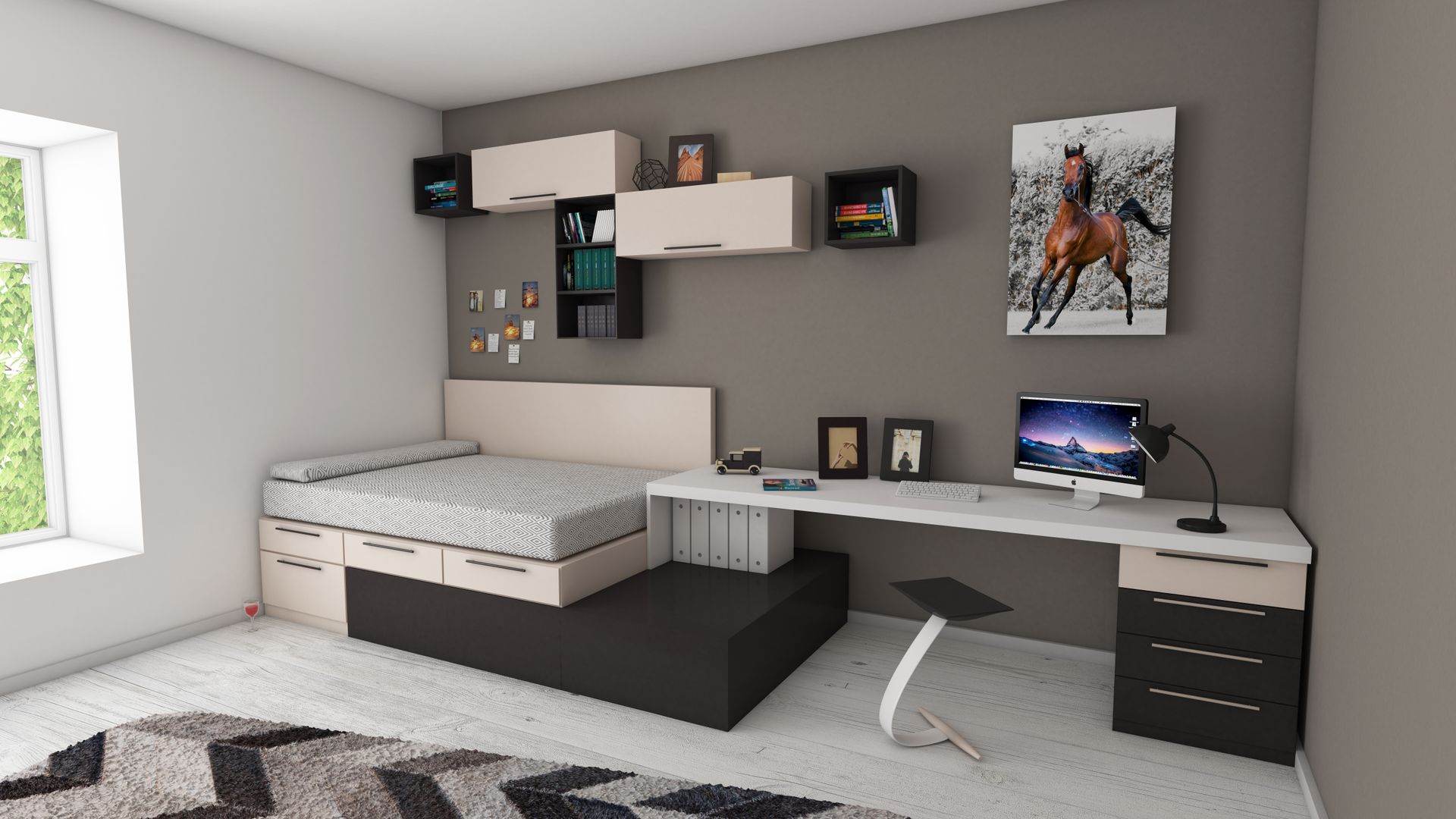
A Japanese monthly apartment lets you live in Tokyo in a ready-to-use home, without buying furniture or necessarily signing a traditional long-term lease. You can choose between a private apartment, service apartment and share house depending on your budget, need for privacy and length of stay. Before booking, check what charges are included, the deposit, cleaning fees, move-out conditions and the documents required.
When choosing your neighbourhood, compare journey times, shops, stations and atmosphere rather than just the rent. The guide to Tokyo neighbourhoods for visiting and living will help you refine your search.
They trust us to help them settle in

A constantly changing metropolis
In 2026, Tokyo is more than ever asserting itself as the world’s most dynamic metropolis. With the expat population having doubled in five years, the property market has had to adapt radically. Finding accommodation in Japan is no longer simply a transaction; it is a gateway to a unique way of life.
International influence has transformed entire neighbourhoods. Where traditional leases once required complex guarantees, furnished apartments (or furnished apartments) now offer unprecedented flexibility, removing language barriers and the cost of furnishing a home. Whether you are here to work in Japan or take a sabbatical year, the city offers turnkey solutions.
Where to put down your suitcases?
Each Tokyo neighbourhood has its own DNA. Here are the most sought-after areas for high-end furnished rentals.
Hiroo & Azabu
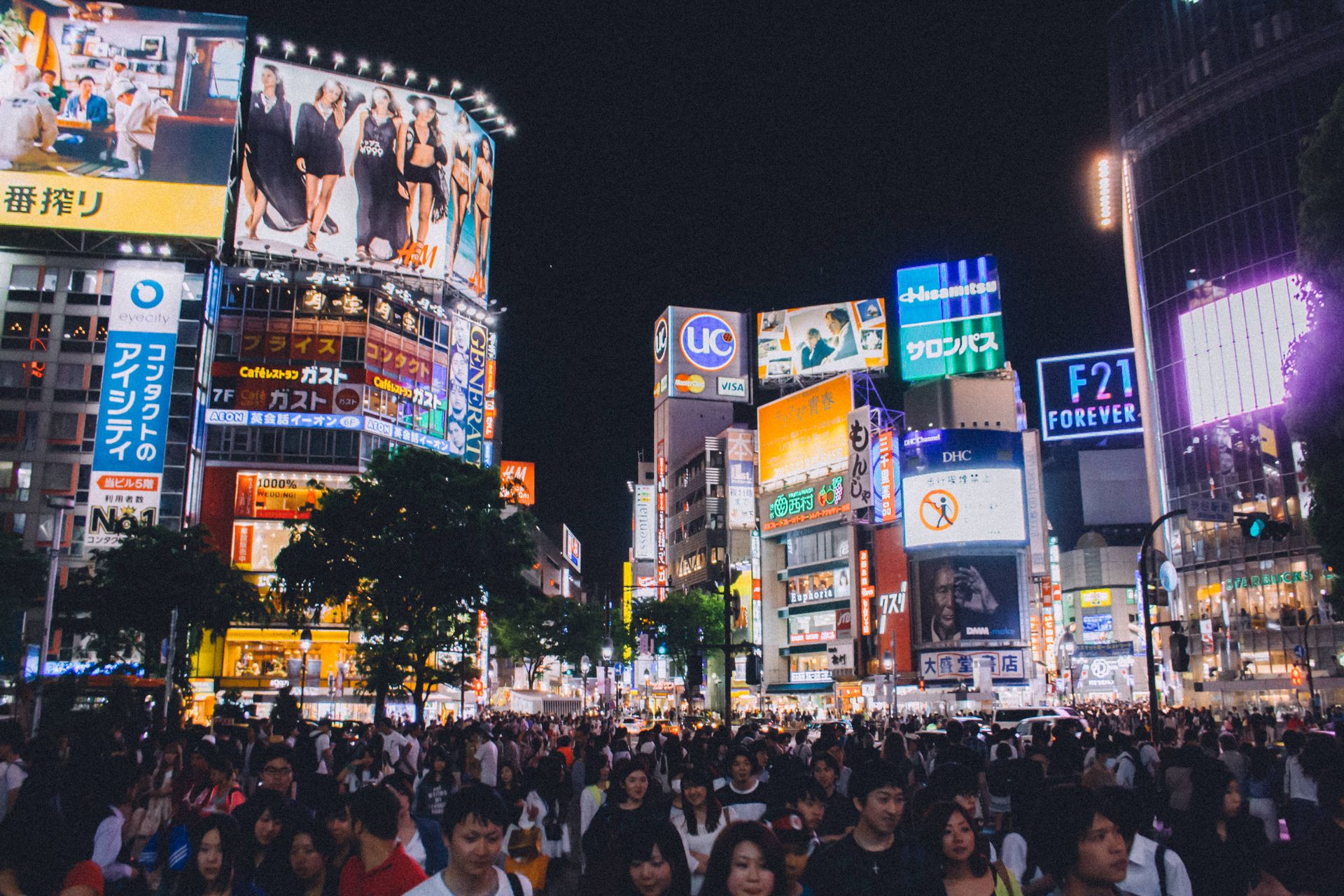
Tokyo’s diplomatic heart. This is where you will find the highest concentration of spacious apartments, international schools and supermarkets selling imported products.
Discover the neighbourhood →Ebisu
The perfect balance between sophisticated nightlife and residential calm. Ideal for young professionals working in tech or finance.
Nakano
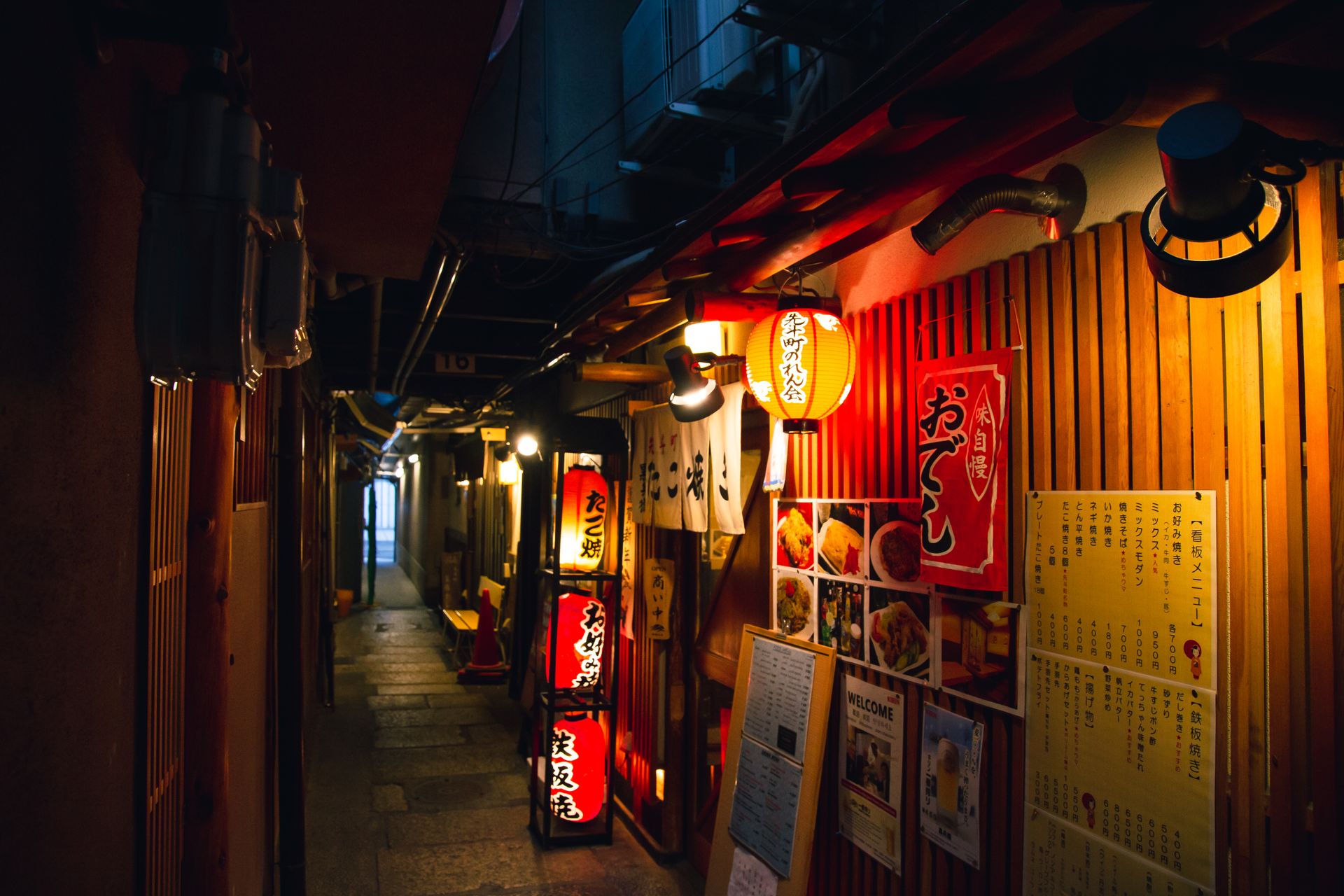
A more authentic and affordable alternative, just a few minutes from Shinjuku. Ideal for those looking for everyday life in a Japanese neighbourhood.
The Student Alternative
For tighter budgets, institutions such as the Yamasa Institute and residences managed by Sakura House offer furnished rooms with utilities included, fostering a vibrant international community.
The standard of luxury in 2026
High-end furnished apartments in Tokyo are not simply homes; they are integrated service complexes. In 2026, the trend is towards “Living as a Service”.
Wellness
Unlimited access to a heated swimming pool, sauna and state-of-the-art gym in the building.
24/7 security
Bilingual receptionists, biometric access and constant surveillance for complete peace of mind.
Mobility
Underground car parks with electric vehicle charging points and a concierge service for shared bicycles.
Natural light
Architectural design that prioritises natural light, with insulated floor-to-ceiling windows (2026 standards).
A market beyond Tokyo
Although Tokyo remains the main centre of attraction, the rest of Japan offers fascinating opportunities. Thanks to the widespread adoption of remote working in 2026, many expats are turning to rural areas. There, you can find tastefully renovated and furnished “Akiya” (vacant houses) for a fraction of the price of a studio in Shibuya.
Explore the regions →
2026 Budget Calculator
Estimate the true cost of your furnished rental in Japan
These figures are estimates based on 2026 market averages. They include 10% VAT.
Why use a specialist agency?
Finding accommodation in Japan can feel like an obstacle course. Between the Reikin (key money) and the need for a Japanese guarantor, agencies specialising in foreign clients have become indispensable.
-
✅
Translation and negotiation: No language barrier when signing contracts.
-
✅
Utilities: Water, electricity and Internet activated automatically before your arrival.
-
✅
Administrative support: Help with residential registration at the local council.
Comparison of furnished rental types
| Features | Manshon (apartment) | Service Apartment | Share House |
|---|---|---|---|
| Privacy | High | Total | Limited (shared bathroom) |
| Services included | Basic | Comprehensive (cleaning, breakfast) | Basic + community |
| Lease flexibility | 12–24 months | 1–12 months | From 1 month |
| Average budget (Tokyo) | 180k - 300k ¥ | 350k - 800k ¥ | 60k - 110k ¥ |
Expat testimonials
"I arrived in Tokyo for my new role at Rakuten without speaking a word of Japanese. Going through an agency for a furnished flat in Azabu-Juban made settling in so much easier. Everything was ready: from the bed and coffee maker to the fibre-optic internet."
— Thomas, Senior Developer
"For my studies at Waseda, I was looking for something simple. The share house in Nakano helped me make Japanese friends from the very first week while keeping my budget under control. The paperwork took 48 hours online."
— Julie, Master’s student
Frequently Asked Questions
What is included in a "furnished" property in Japan?
Generally: a bed, table, chairs, fridge, microwave, washing machine, air conditioning (essential), curtains and often basic crockery. Bed linen is sometimes optional.
Do I have to pay "Key Money" (Reikin)?
In furnished rentals aimed at expats, Reikin is increasingly rare or included in the overall price, unlike with traditional leases.
Can I rent without a work visa?
Yes, some agencies and share houses accept tourist visas or WHVs (Working Holiday Visas), but the documents required will be different. See our page on visas.
How is waste sorted?
Waste sorting is very strict. Your residence will provide you with a timetable. For more details, read our guide to recycling.
Are pets allowed?
Rarely in small furnished studios. You need to specifically look for "Pet Friendly" properties. See our guide to pets in Japan.
How much notice do I need to give when leaving the flat?
For flexible contracts, it is often one month. Check your contract carefully, as some "Short-term" leases have specific conditions.
Is the internet reliable?
In 2026, 10Gbps fibre is common in premium furnished residences. In share houses, speeds may vary depending on the number of occupants.
Which areas are the cheapest?
Look towards the east (Adachi, Edogawa) or north-west (Nerima, Itabashi) for significantly lower prices than in Minato or Shibuya. See the details of rents in Tokyo by type of accommodation.
How do I pay my rent?
Local bank transfer (Furikomi) is the norm. Some modern agencies accept credit cards or smartphone payments. More information on banks in Japan.
Is it easy to find accommodation in 2026?
Supply has increased, but demand in Tokyo remains very high. We recommend starting your search two months before your arrival.
To get online as soon as you land, a Japan eSIM can be installed before you leave, with no need to look for a local SIM card.
Ready to move to Tokyo?
Don’t let the search for accommodation become a source of stress. Browse our selection of verified flats and contact our French-speaking experts today.