Choosing your type of accommodation in Kinosaki Onsen
Kinosaki Onsen stands out for its accommodation focused on the traditional hot spring experience. Most establishments offer full-board packages that include a kaiseki dinner and a Japanese breakfast.
Traditional ryokans with full board
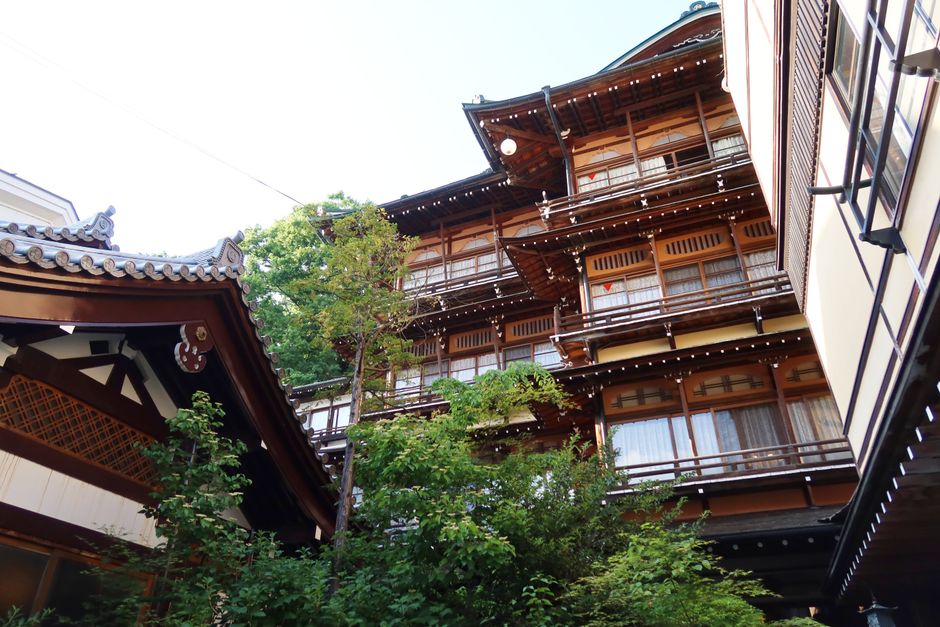
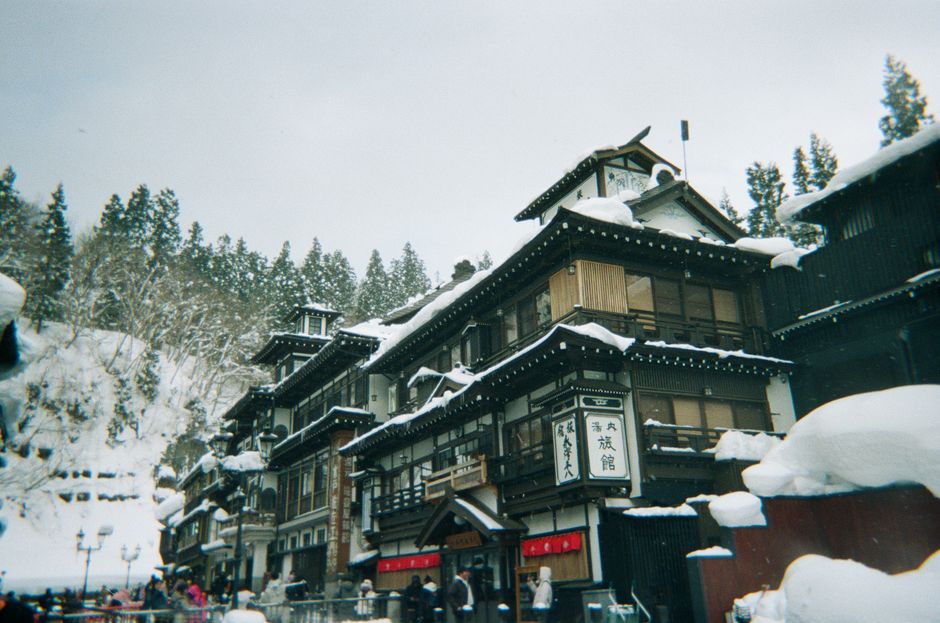
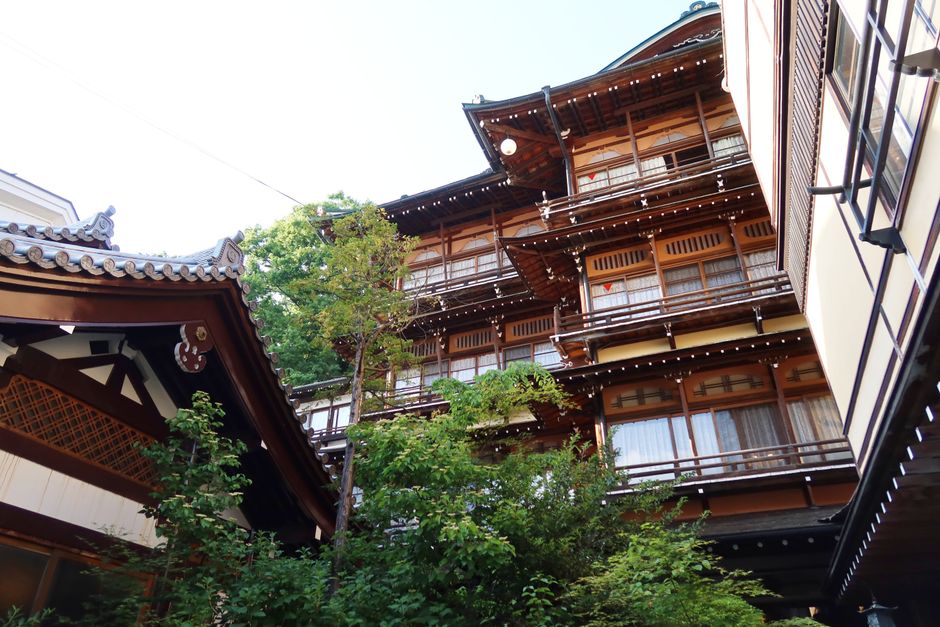
Ryokans are the most authentic option. You sleep on a futon in a tatami room and are given a yukata and geta (wooden sandals) for free access to the town’s seven public baths. The kaiseki dinner showcases local produce according to the season: Toyooka crab in winter and Tajima beef all year round. The staff prepare your futon while you enjoy the evening onsen.
Hotels and guesthouses without full board
Some establishments offer accommodation only, which is ideal if you want to discover the local restaurants. This option remains uncommon, as tradition dictates enjoying a kaiseki meal at your ryokan. Family-run guesthouses sometimes offer this flexibility at more affordable rates.
Selection criteria according to your budget
| Category | Price range (per night) | Type of accommodation |
|---|
| Budget | 5,000 to 9,000 yen | Guesthouses, hostels without meals |
| Mid-range | 12,000 to 22,000 yen | Traditional guesthouses, small ryokans |
| Upscale | 25,000 to 40,000 yen | Established ryokans, private onsen |
| Luxury | 45,000 yen and above | Historic ryokans, high-end service |
Prices are generally per person with full board. Booking several months in advance is recommended for the high season (November to March for crab, weekends and public holidays).
Location and access to the seven public baths
All accommodation in Kinosaki Onsen is within walking distance of the seven public baths (soto-yu). The town stretches along the Tamonocanal River for around one kilometre, lined with willows and pine trees. You walk from one onsen to the next in a yukata, while the lantern-lit evening atmosphere creates a unique ambience.
Main areas
The historic centre is home to most of the ryokans between JR Kinosaki Onsen Station and the Mount Daishi cable car. Properties facing the river offer a peaceful view. Some ryokans are set slightly back in quiet lanes, just a few minutes’ walk from the public baths.
Access to the public onsen from your accommodation
Your ryokan gives you a pass (yu-meguri) providing free access to the seven public baths during your stay. Each onsen has its own character: Sato-no-yu with its outdoor pool, Mandara-yu, renowned for its healing properties, and Goshono-yu, the most spacious. You can discover them all at your own pace; they are generally open from 7am to 11pm.
Booking your accommodation in Kinosaki Onsen
International platforms list some of the establishments, but certain traditional ryokans only accept bookings by telephone or through Japanese agencies. Websites such as Booking or Hotels.com make it easier to compare prices and read reviews in French.
Best time to book
Crab season (November to March) attracts many Japanese visitors. Weekends and school holiday periods fill up quickly. Booking at least two months in advance gives you a better choice. In the low season (summer), availability is easier to find and reduced rates are sometimes available.
Things to check before booking
- Full board or accommodation only
- Whether there is a private onsen in the room or property
- Tattoo policy (some ryokans allow tattooed guests to use private baths)
- Meal times (dinner is generally served between 6pm and 7.30pm)
- Whether free cancellation is available
High-end establishments often offer rooms with private onsen, which are ideal if you have tattoos or prefer privacy. Also check whether vegetarian options are available if needed, although traditional kaiseki cuisine focuses on fish and seafood.
Culinary experiences in ryokans
The kaiseki meal is a highlight of your stay. Served in your room or in a private dining room, it consists of eight to twelve courses showcasing local specialities. In winter, Toyooka crab is served as sashimi, grilled, boiled or in soup. Tajima beef, the ancestor of Kobe beef, often appears in shabu-shabu or sukiyaki.
Japanese breakfast
In the morning, you are served a traditional breakfast: white rice, miso soup, grilled fish, pickled vegetables, tofu and Japanese omelette. Some ryokans offer a Western alternative on request. This hearty meal prepares you for a morning exploring the remaining public baths or hiking on Mount Daishi.
Nearby alternatives and onsen destinations
If Kinosaki Onsen is fully booked or beyond your budget, other hot spring resorts in the Kansai region offer a similar experience. Hakone onsen near Mount Fuji also offers many traditional ryokans with views of Lake Ashi. To combine onsen and cultural sightseeing, the Gion district in Kyoto is two and a half hours away by train and lets you combine historic temples with thermal relaxation.
Other towns such as Takayama and Kanazawa combine traditional heritage with access to hot springs in the surrounding area. You can plan an itinerary including several onsen stops across central Japan.
Frequently asked questions
How much should you budget for a ryokan in Kinosaki Onsen?
Expect to pay between 12,000 and 22,000 yen per person per night with full board for a mid-range ryokan. Prestigious establishments cost over 35,000 yen, while meal-free guesthouses start at around 8,500 yen. These prices generally include access to the town’s seven public baths.
Can you visit Kinosaki Onsen without staying overnight?
Yes, you can buy a day pass giving you access to the seven public baths and spend the day in Kinosaki. However, the full experience of wearing a yukata in the evening, enjoying a kaiseki dinner and taking in the night-time atmosphere along the river fully justifies spending a night in a traditional ryokan.
Do Kinosaki ryokans accept tattooed guests?
Policies vary between establishments. The municipal public baths generally prohibit visible tattoos. Some ryokans offer private onsen in the rooms or baths that can be reserved by the hour, which are accessible to tattooed guests. Check this information when booking to avoid disappointment.
What is the best season to stay in Kinosaki Onsen?
Winter (November to March) is Toyooka crab season, a local speciality served in kaiseki meals. Ryokans are often fully booked during this period. Spring and autumn offer pleasant weather and fewer tourists. Summer remains quiet, with sometimes lower rates despite the heat and humidity.
How do you get between the different public onsen?
You walk around in the yukata and geta (wooden sandals) provided by your ryokan. The town stretches for around one kilometre along the river. All the public baths are within walking distance, no more than five to fifteen minutes away. This evening stroll in traditional dress is an integral part of the Kinosaki experience.
Do you need to book Kinosaki Onsen well in advance?
For crab season (November to March) and weekends, book at least two months in advance. The best ryokans fill up quickly during Japanese school holidays and public holidays. On weekdays outside the peak season, availability is easier to find, sometimes just a few weeks before your arrival.